 Space
Space
Articles under the Space category.
TRAPPIST‑1e’s Atmosphere: JWST Hints Keep Nitrogen in Play
Fresh JWST results from September 2025 rule out hydrogen-dominated skies for TRAPPIST-1e and make a Venus or Mars style carbon dioxide blanket unlikely. A nitrogen-rich atmosphere or a bare rock remain in play, and the next JWST transits could decide it.

Webb’s first planet image: TWA 7 b and the new roadmap
In June 2025, the James Webb Space Telescope’s MIRI coronagraph isolated a faint, orange point inside the debris disk of the young star TWA 7. If confirmed, the Saturn mass candidate TWA 7 b would be the lightest world ever captured by direct imaging. Here is how the detection works, how it will be confirmed, and why it accelerates the route to imaging Earthlike planets.
New Glenn’s 2nd Flight Shoots for Mars with NASA ESCAPADE on Sept. 29
New Glenn’s second launch is slated to send NASA’s twin ESCAPADE orbiters toward Mars on September 29, 2025. Here is why flying interplanetary so early matters for risk, cost, cadence, and competition in the U.S. launch market.
Euclid’s first sky map opens the dark universe to all
On March 19, 2025, ESA's Euclid released Quick Data Release 1, a deep sampler of images, spectra, and catalogs. We unpack what is in Q1, how to access it, early science highlights, and what to watch before DR1 in 2026.
JUICE’s hot Venus slingshot and the near-miss timer bug
In late August 2025 ESA’s JUICE skimmed past Venus for a high-heat gravity assist while controllers beat a last-minute comms glitch traced to a software timer. Why cameras stayed off, how the team kept the spacecraft cool, and what this flyby sets up next.
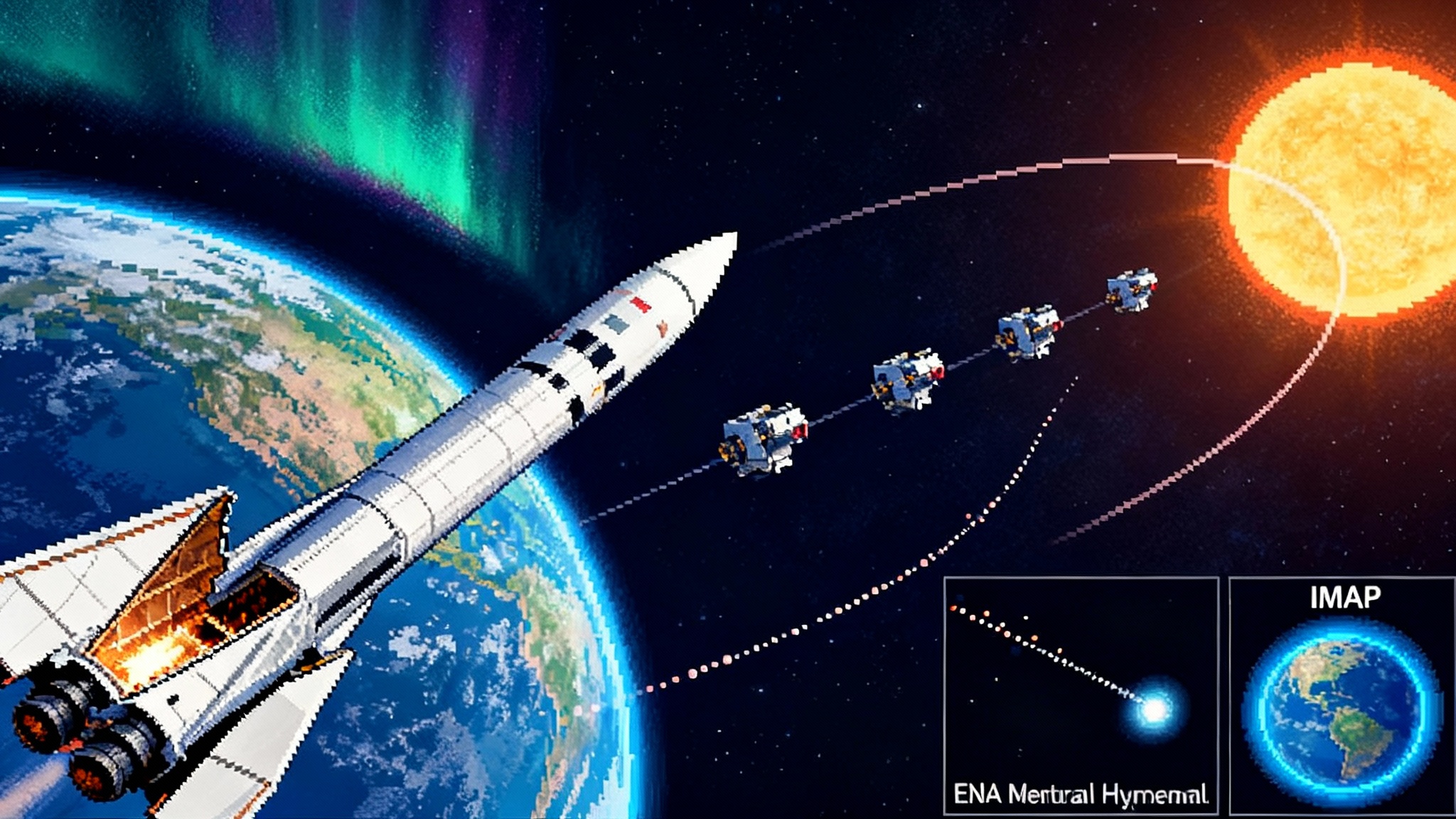
IMAP to L1: The mission to map the heliosphere’s edge
With Solar Cycle 25 surging, NASA’s IMAP heads for the Sun-Earth L1 point to image the heliosphere in 3D while SWFO‑L1 delivers earlier, more reliable space weather alerts.
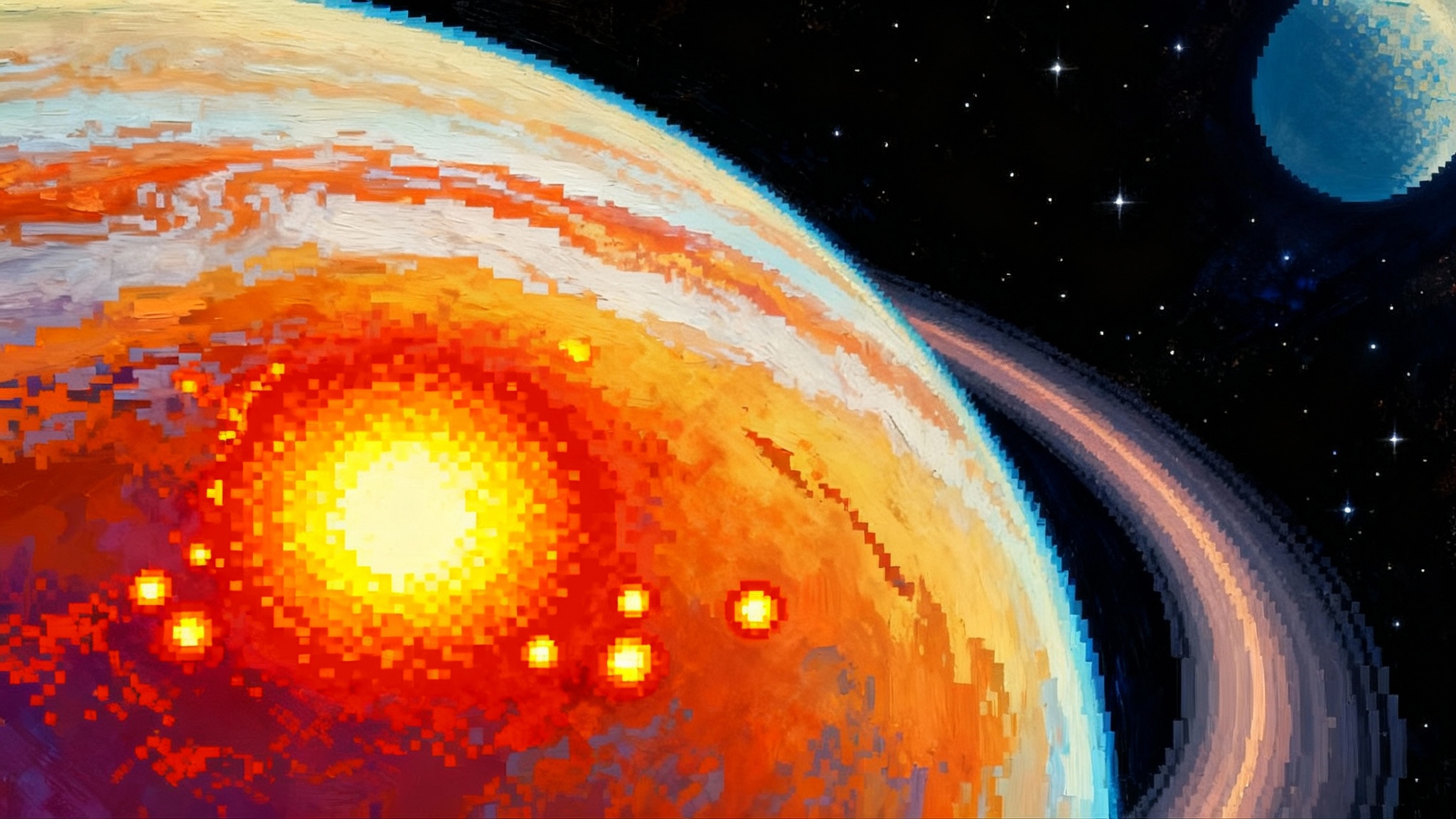
Juno catches Io's most powerful eruption, models shift
NASA confirmed on January 28, 2025 that Juno’s December 27, 2024 flyby of Io recorded the moon’s most energetic volcanic outburst yet. A giant southern hotspot and nearby sites brightened together, pointing to connected magma reservoirs and a rethink of how tidal heating works.
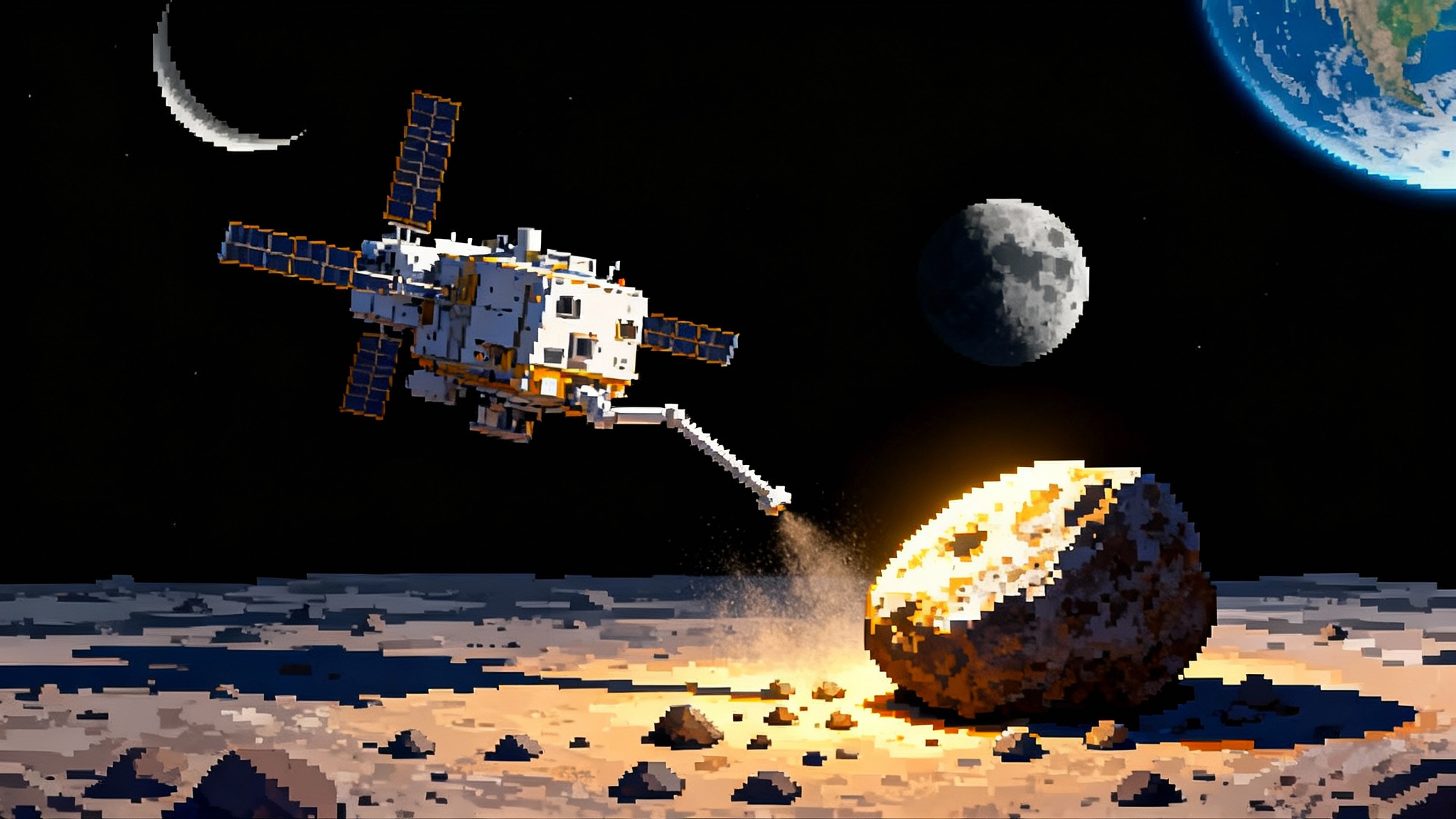
Tianwen‑2 bets big on Kamoʻoalewa, a tiny quasi‑moon
China’s Tianwen-2 is chasing Earth’s tiny quasi-moon Kamoʻoalewa for a bold sample return, with a 2027 drop-off and a follow-on cruise to 311P. The payoff spans lunar history and real-world planetary defense.
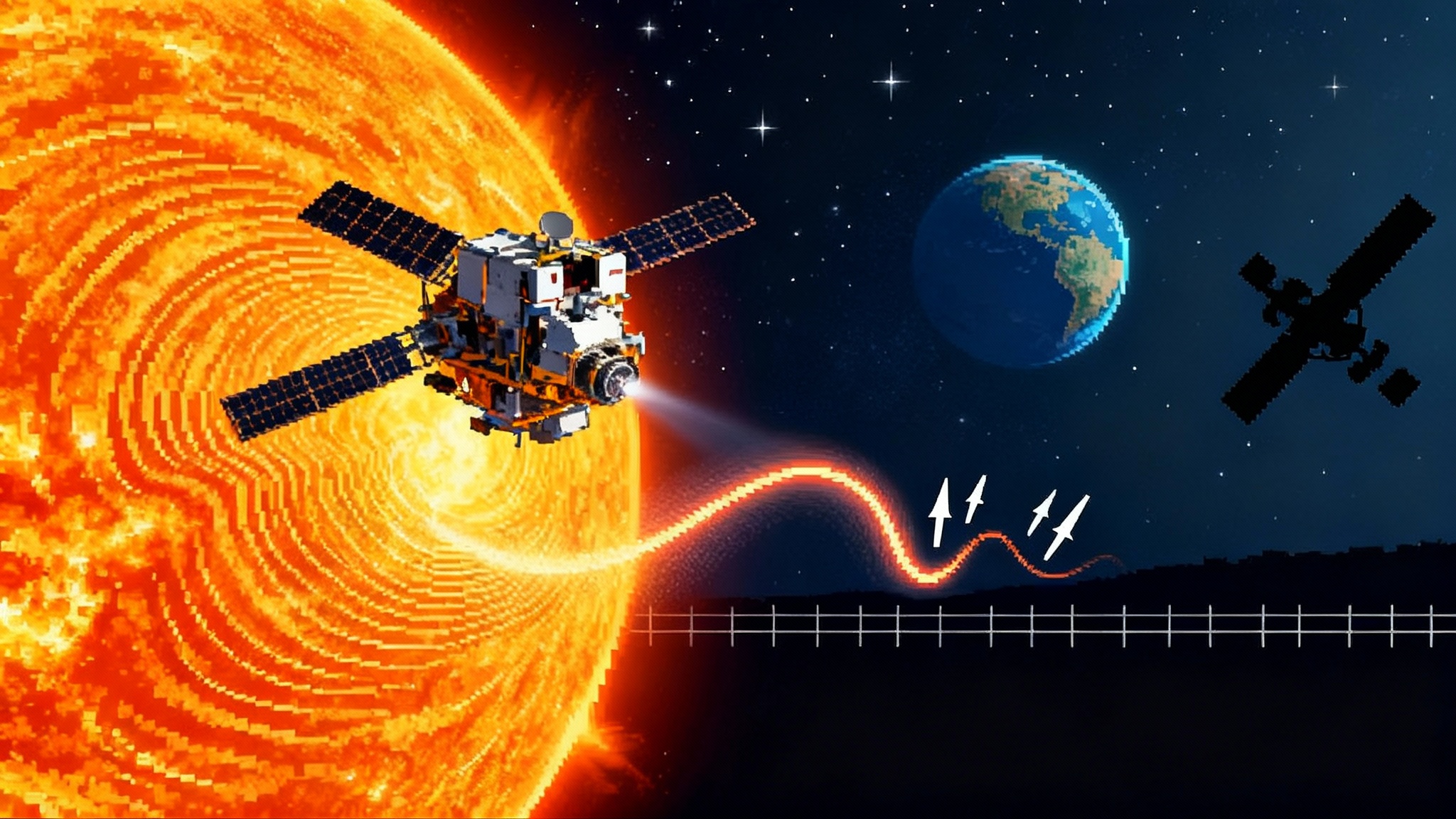
Parker Probe’s 25th Flyby Sets Stage for Better Forecasts
Between Sept 15 and 20, 2025, Parker Solar Probe matched its 3.8 million mile perihelion and 430,000 mph speed records right at solar maximum. With science downlink beginning Sept 23, expect fresh near-Sun measurements that can tighten space weather forecasts for satellites, power grids, and future crews.
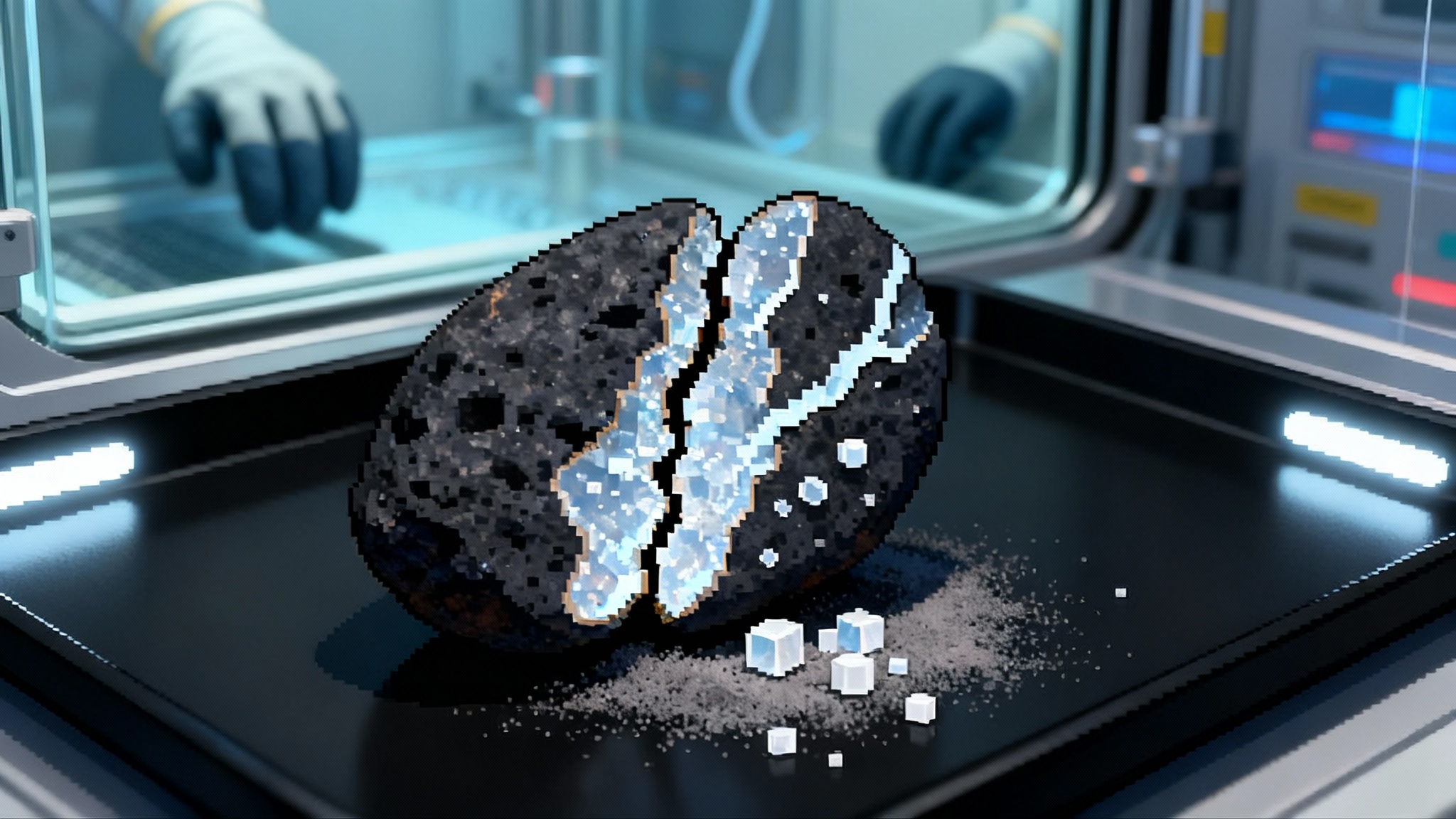
Bennu’s Bounty: What the Samples Say About Life’s Recipe
January 2025 analyses of the OSIRIS-REx Bennu sample uncovered soluble organics including amino acids and all five nucleobases, plus evaporite salts formed in ancient brines. Here is what that means for prebiotic chemistry and the missions we should fly next.
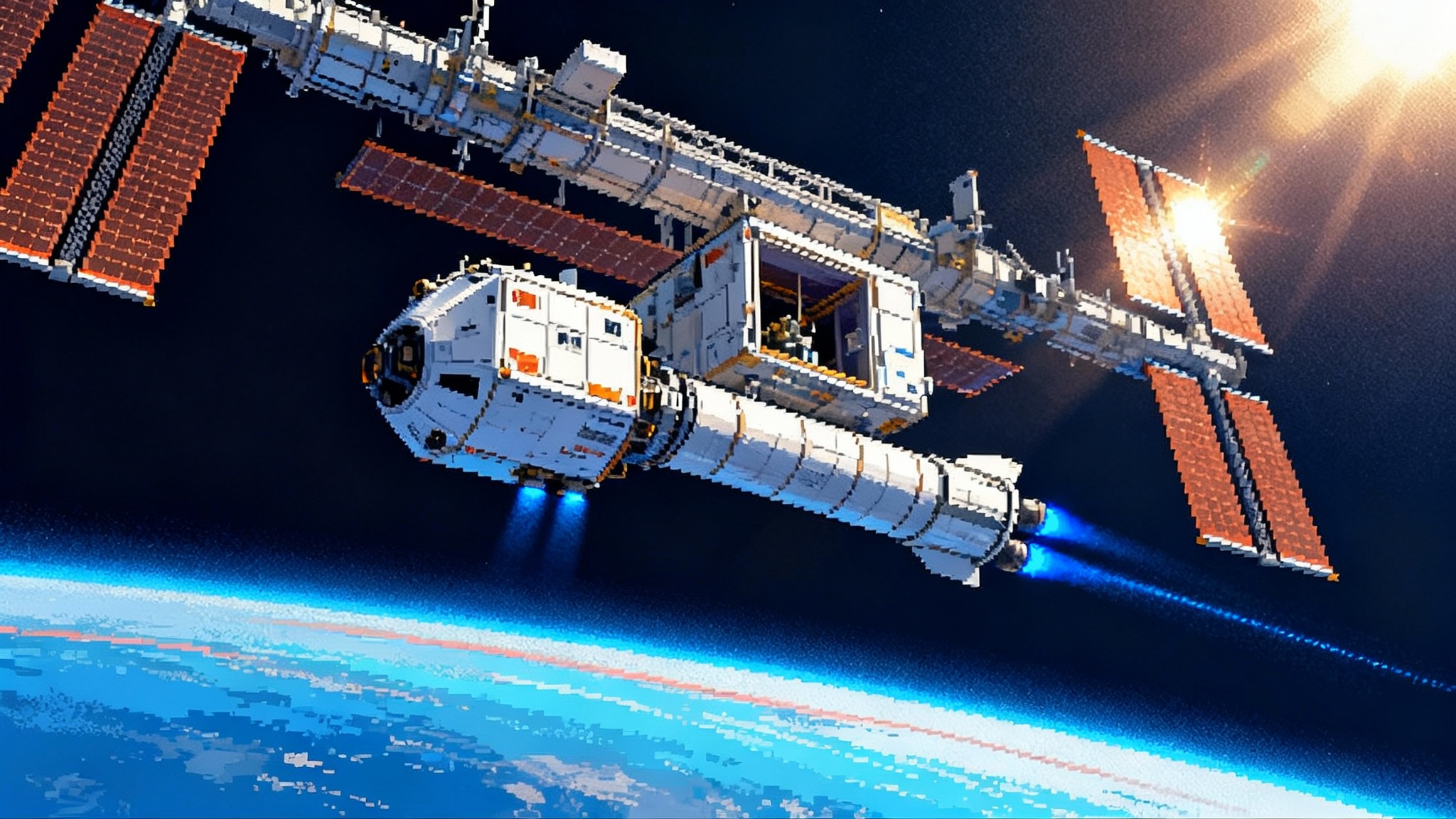
Dragon’s trunk boost kit gives the ISS a new lifeline
SpaceX just turned Dragon into an orbit‑maintenance tug. With a trunk mounted kit running on its own propellant, Dragon lifted the ISS and opened a new playbook for operations, cost, and governance through the end of the decade.
Planetary defense goes live: inside the 2025 FA22 flyby
A skyscraper-size asteroid skimmed past Earth on September 18, 2025, and the planetary defense community treated it like a live exercise. Here is how IAWN’s drill, real-time radar imaging, and ESA’s Risk List workflow performed under real timing and coordination pressure.
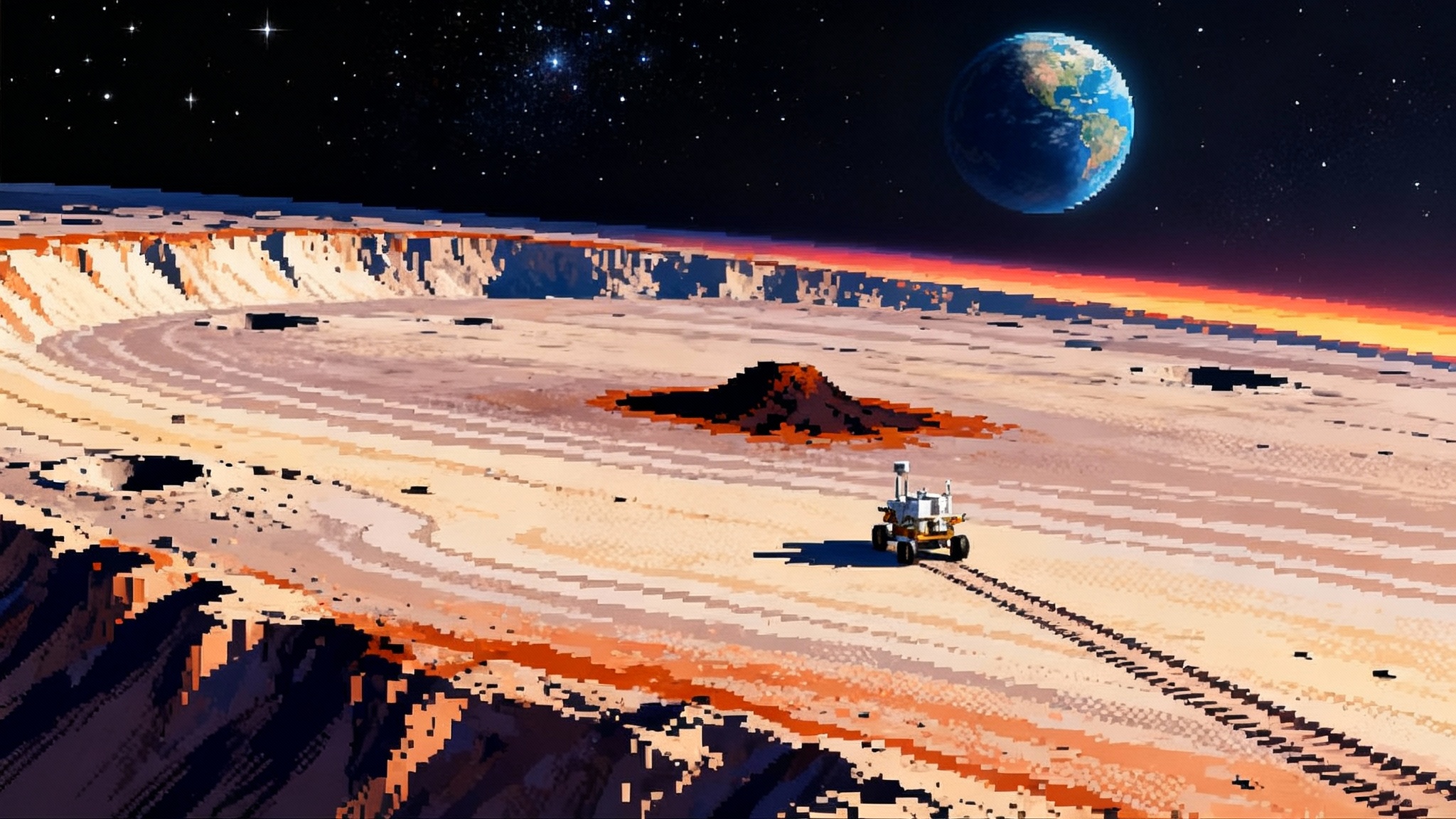
Chang’e‑6 rewrites lunar history and the south pole playbook
Peer‑reviewed results from Chang’e‑6’s far side haul point to an older South Pole-Aitken basin, volcanism that lingered, a surprisingly dry mantle, and hints of a late magnetic rebound. Here is how those findings tighten crater clocks and reshape where, why, and how we land next.
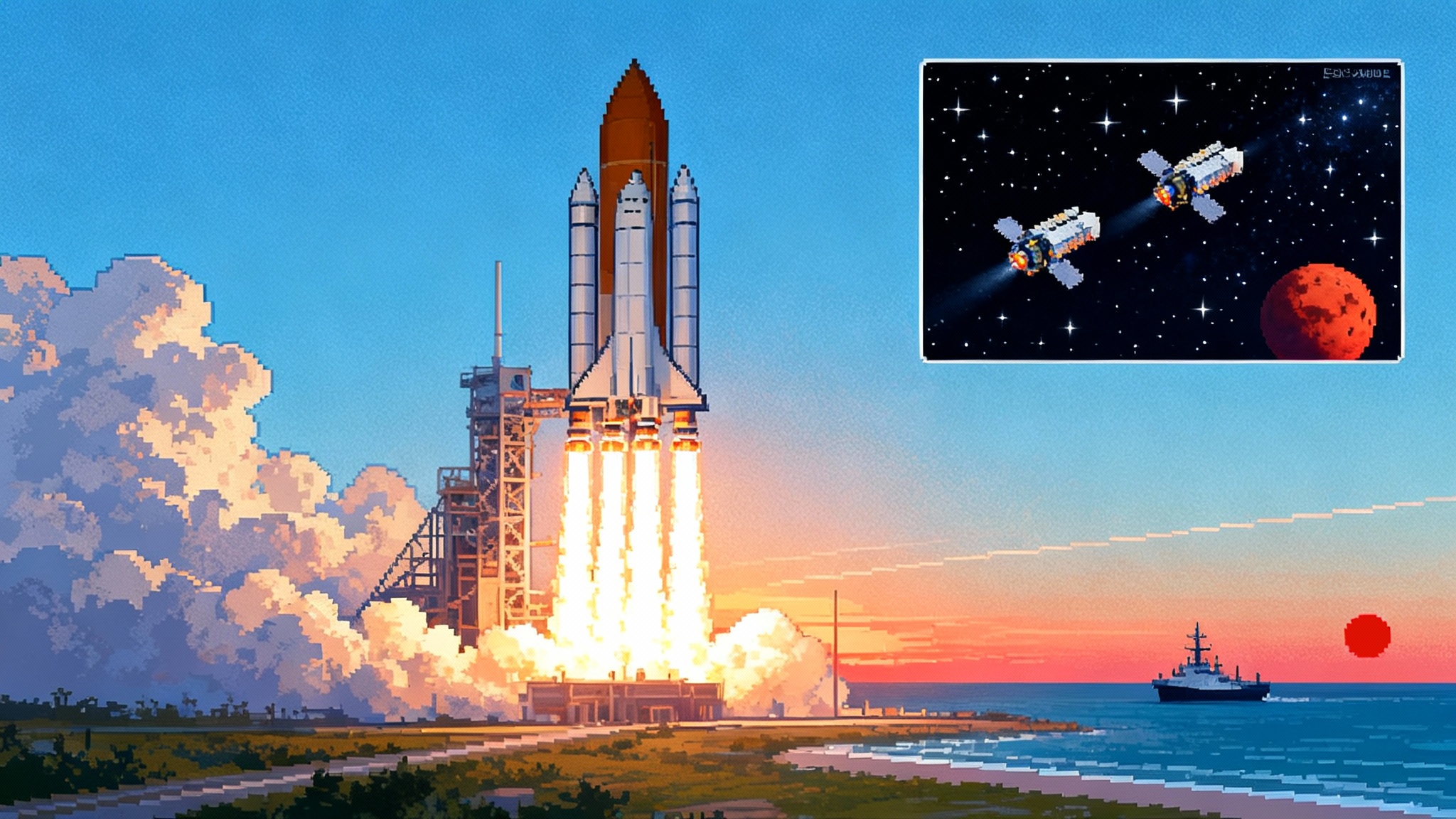
New Glenn’s second flight targets Mars with ESCAPADE
Blue Origin plans to send NASA’s twin ESCAPADE probes toward Mars on New Glenn’s second mission as soon as September 29, 2025. Here’s what to watch, why the risks are worth it, and how a small heliophysics mission could reshape deep-space access.
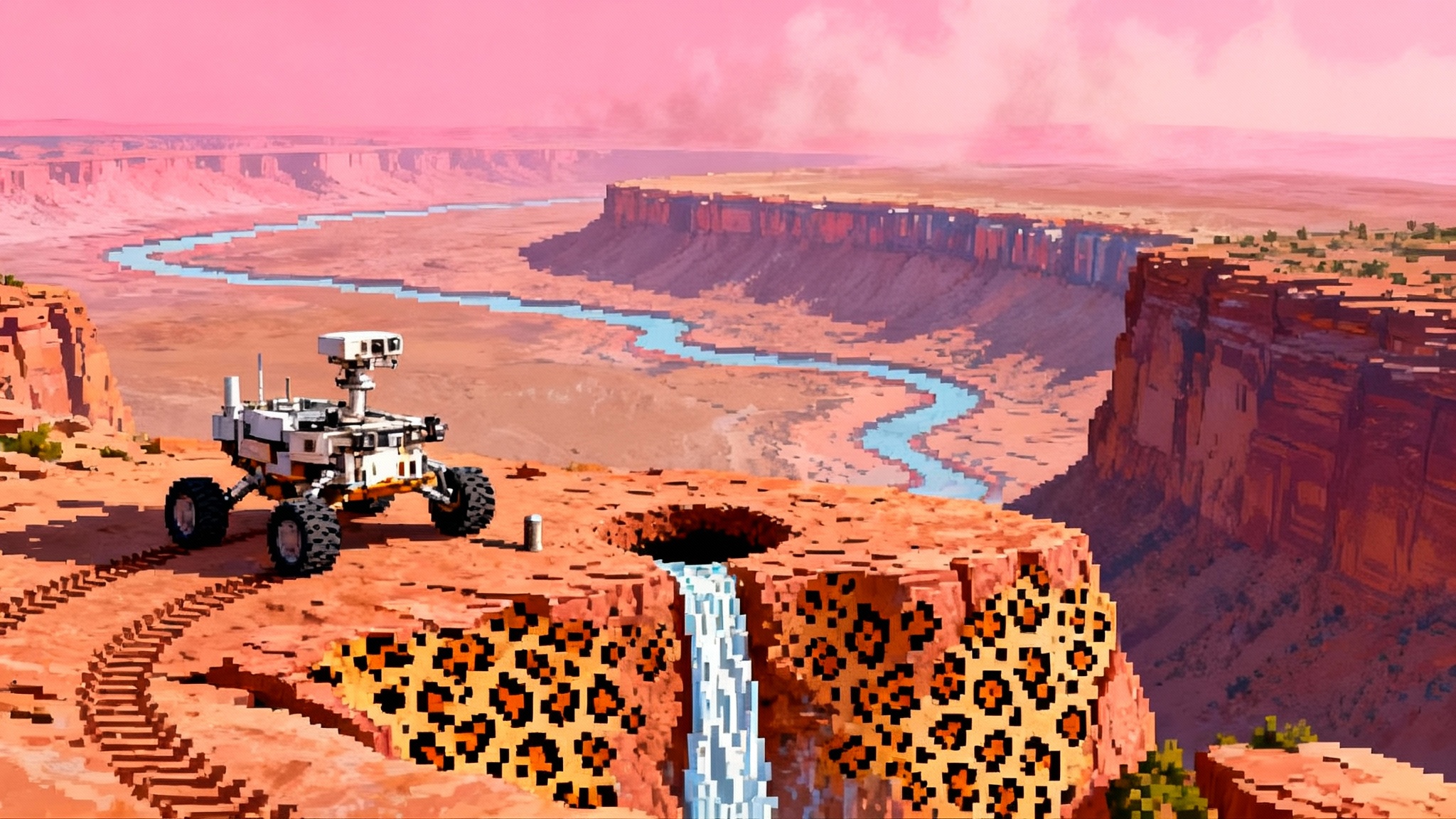
Mars just logged its strongest hints of ancient life yet
Two 2025 rover results sharpen the case for past habitability. Inside Perseverance’s possible biosignature textures, Curiosity’s largest organics yet, how CoLD ranks the evidence, and why sample return now drives the timeline.
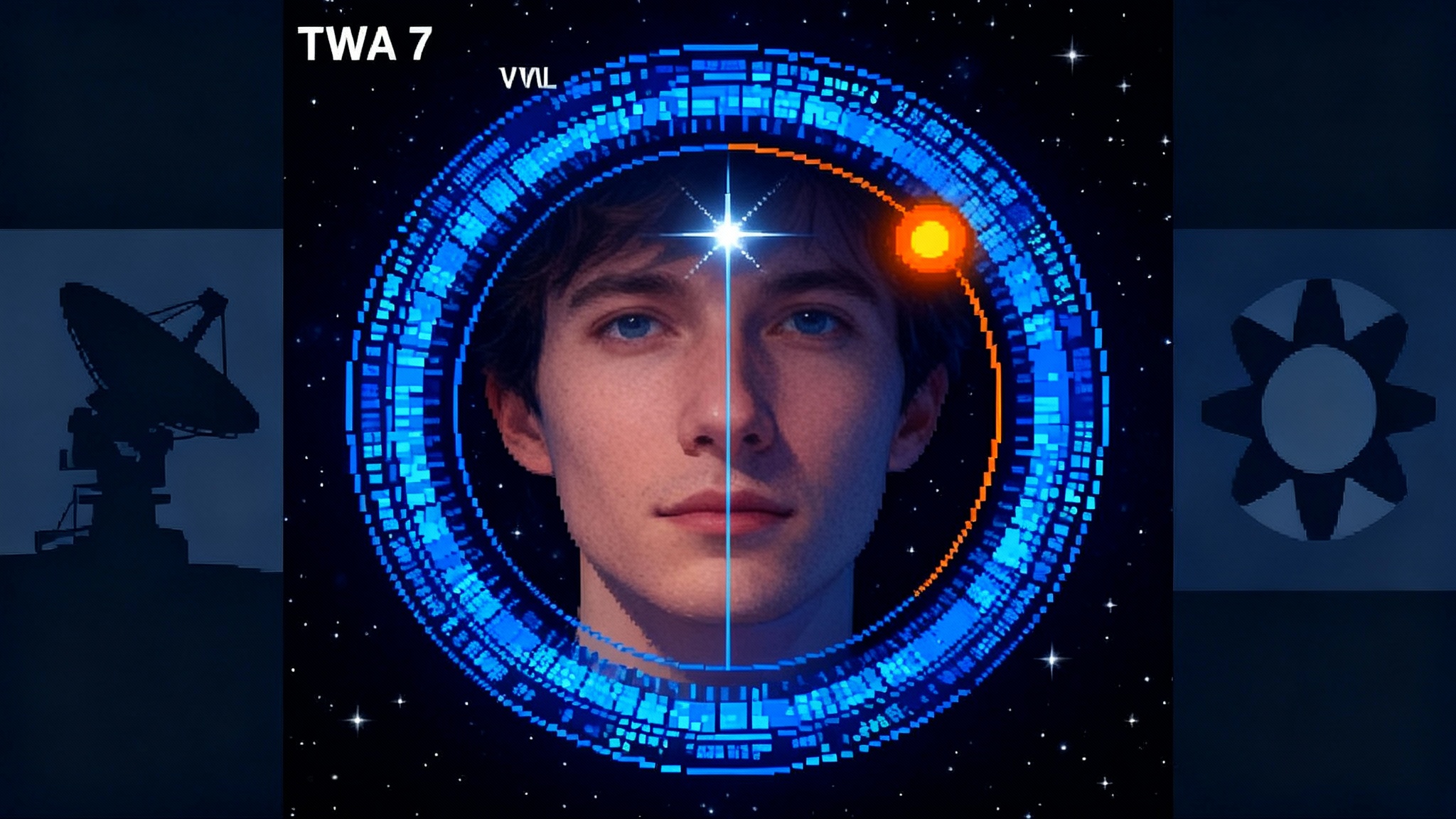
Webb’s TWA 7b image resets the hunt for habitable worlds
On June 25, 2025, JWST’s MIRI coronagraph delivered Webb’s first direct-image discovery of a new exoplanet: TWA 7b, a Saturn-mass world embedded in its star’s rings. Here is how mid infrared dropped the imaging mass floor and what Roman and HWO will do next.
Inside the Moon’s Two Faces: Chang’e‑6’s Far‑Side Secrets
Fresh analyses of Chang'e 6 show the Moon's far side is drier and chemically distinct, with volcanism that persisted for billions of years and a magnetic field that briefly revived. Here is how that reshapes water hunts and south pole site selection for Artemis and ILRS.
What 2025’s Moon Landings Taught Us About the Lunar Poles
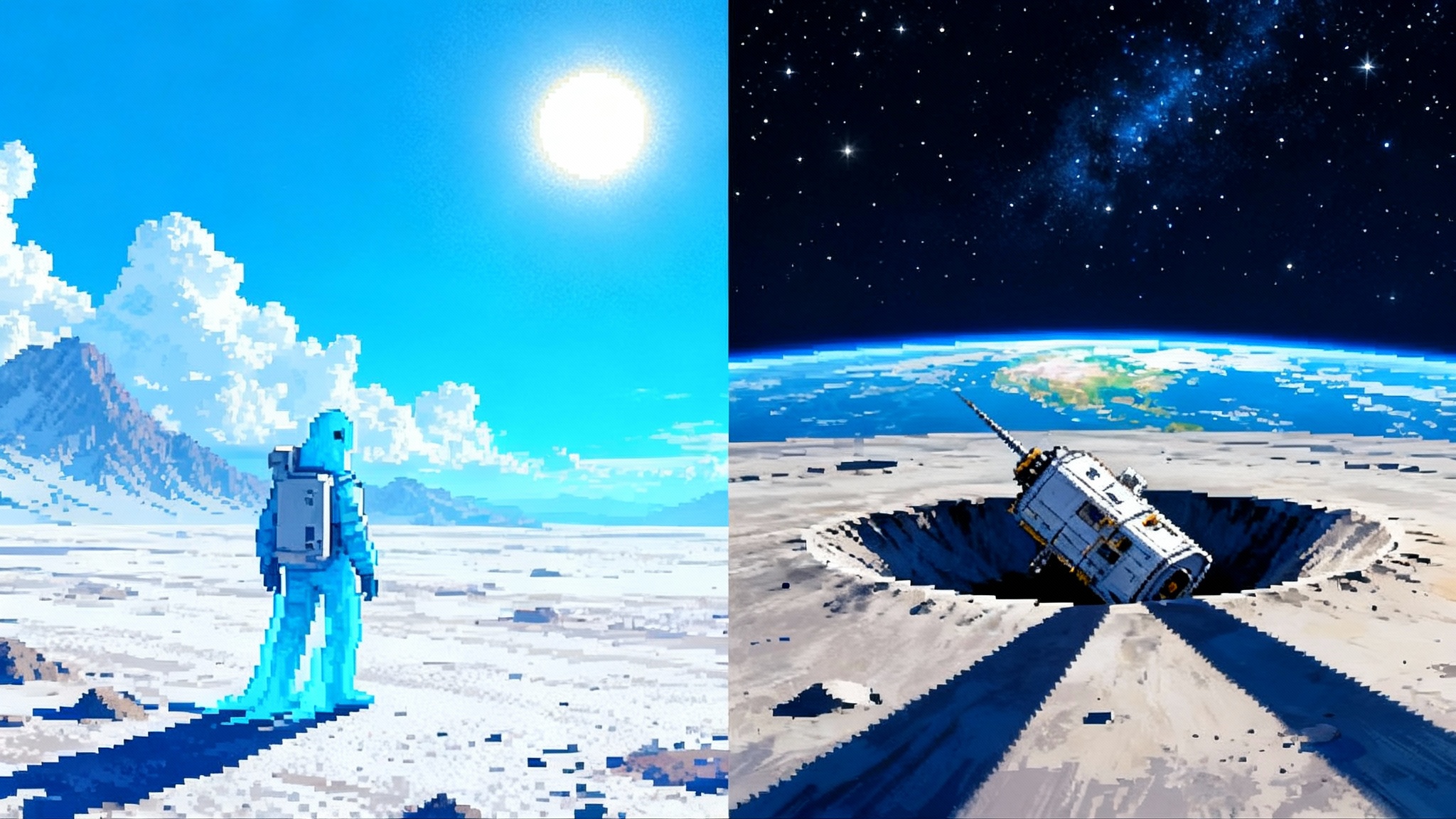
In March 2025, Firefly’s Blue Ghost stuck a clean touchdown at Mare Crisium, while Intuitive Machines’ IM-2 tipped over inside a south polar crater. What those back-to-back outcomes reveal about landing at the Moon’s edge.