 Space
Space
Articles under the Space category.
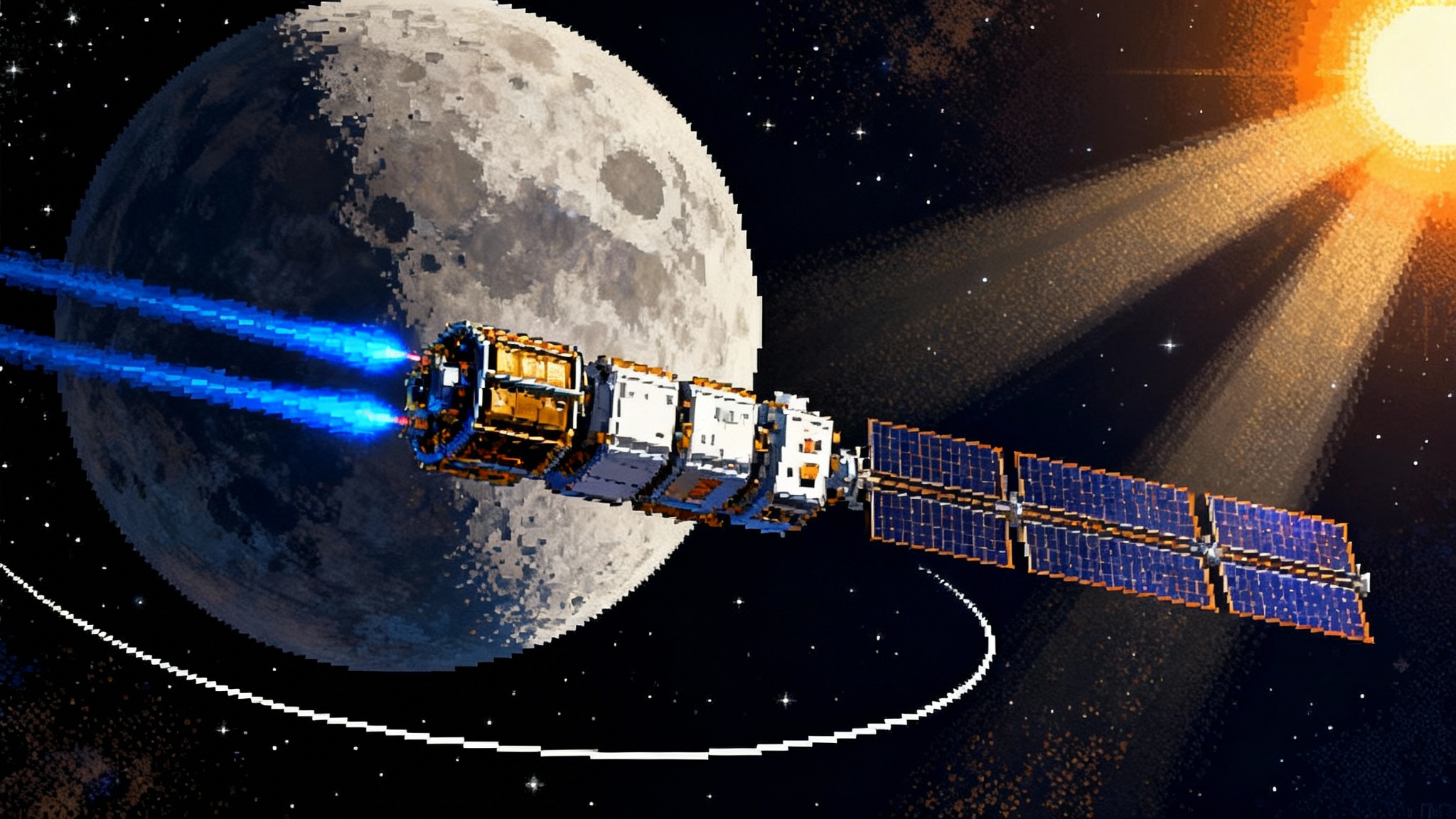
BepiColombo's thruster shortfall rewrites the road to Mercury
ESA and JAXA reworked BepiColombo’s cruise after solar electric propulsion underperformed, pushing orbital insertion to November 2026. What failed, how the redesigned Mercury flybys preserve the science, and the milestones to watch through 2026.
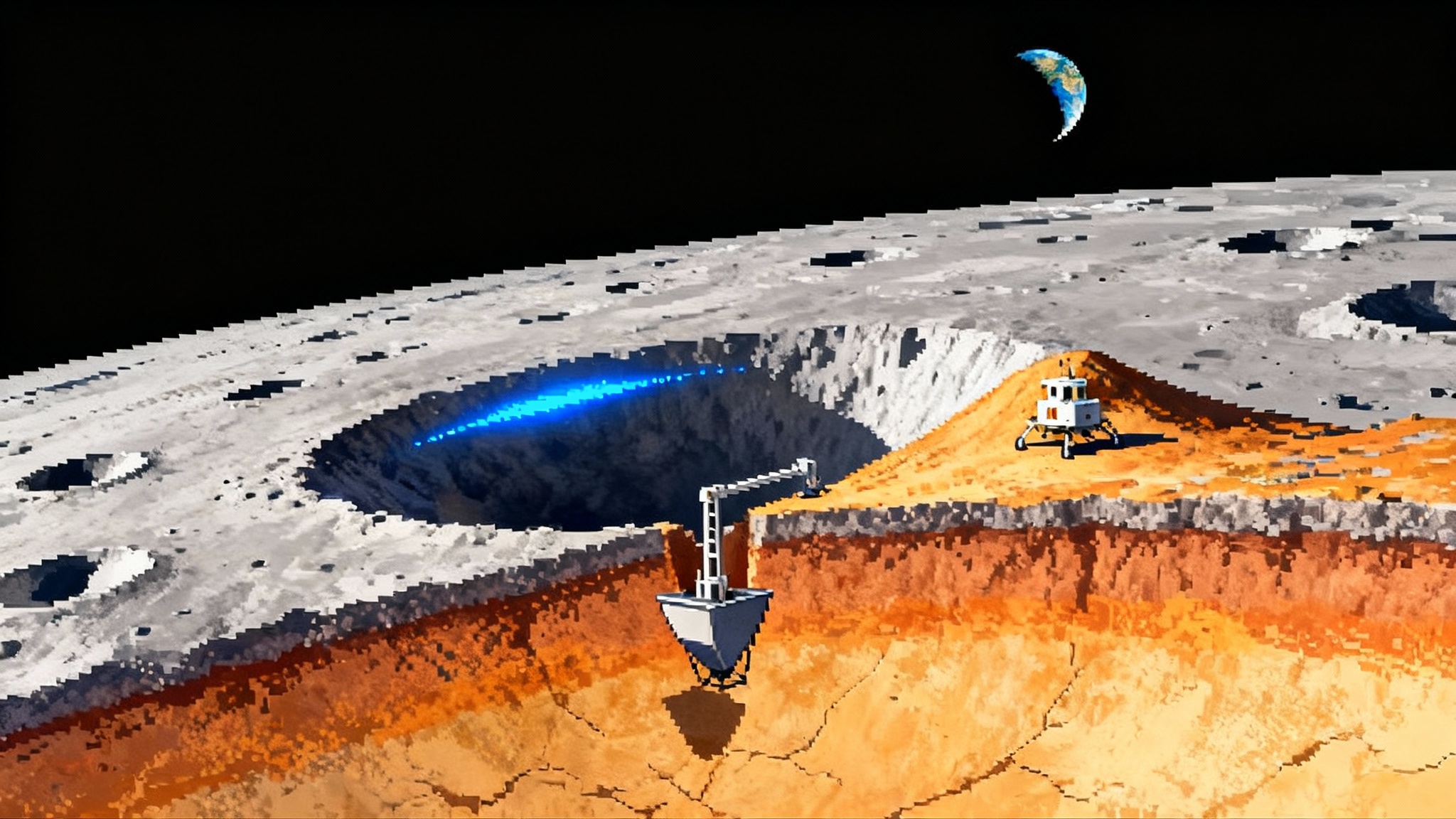
Chang’e‑6 reshapes lunar water, landings, and ISRU strategy
Peer-reviewed Chang'e-6 samples point to an ultra-dry farside mantle and a complex magnetic-volcanic past. Here is how that asymmetry reshapes water expectations, landing site strategy, and early ISRU.
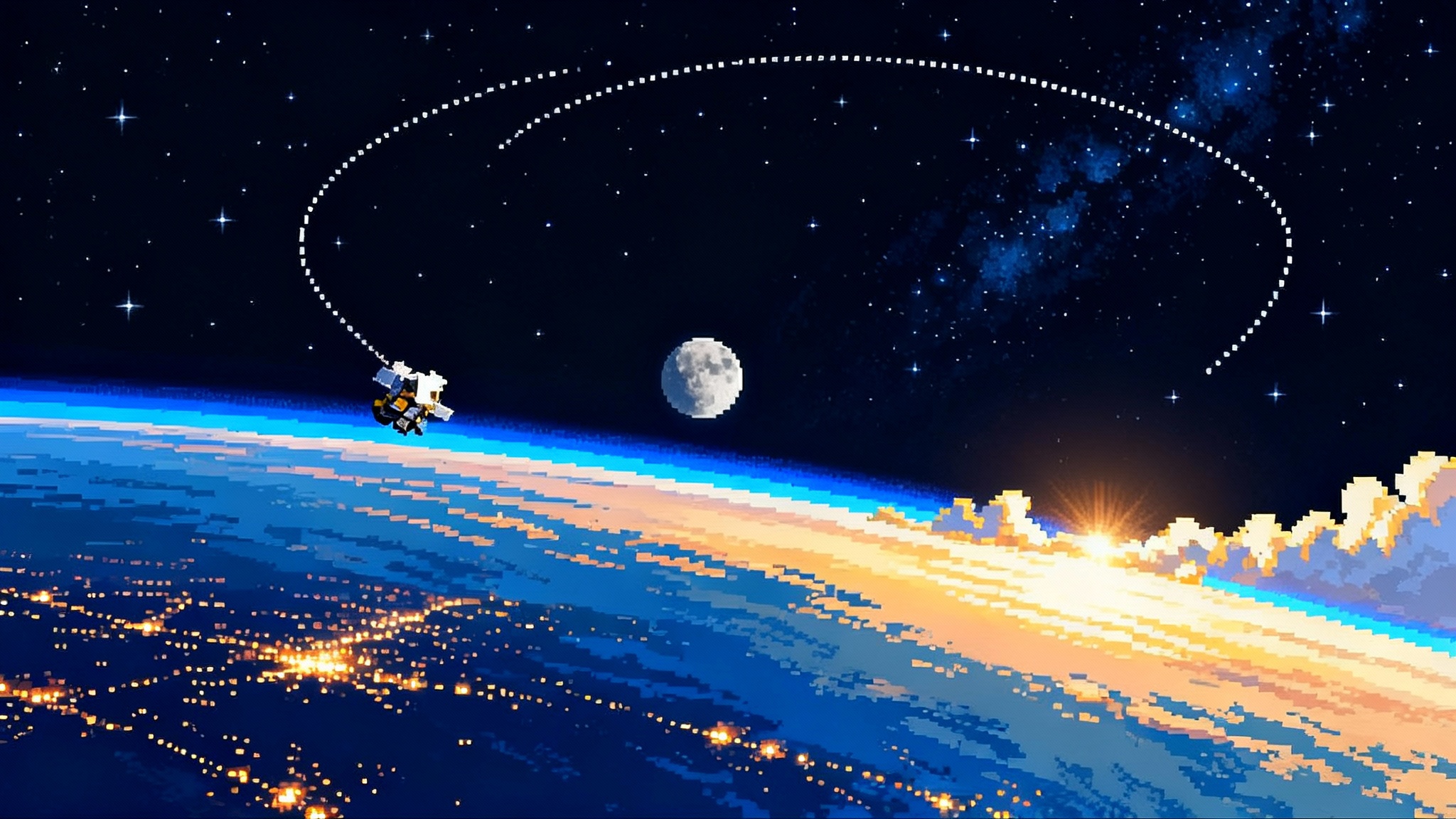
OSIRIS-APEX Earth flyby locks aim on Apophis 2029
After a Sept. 23, 2025 Earth flyby, OSIRIS-APEX is on course to meet asteroid Apophis during its historic April 13, 2029 close approach. See how a gravity assist, Earth and Moon calibration, and a daring thruster stir set up breakthrough planetary-defense science.
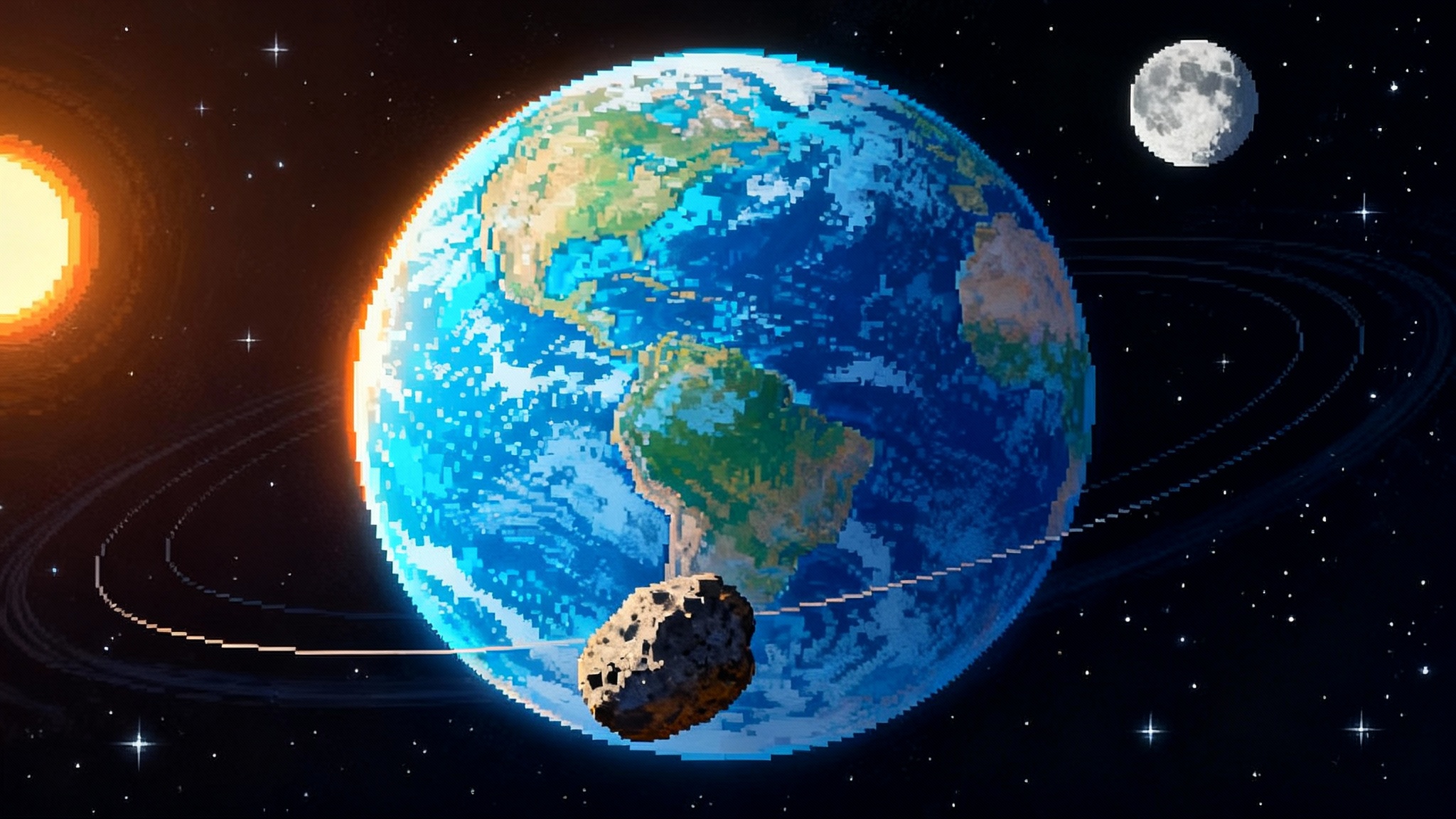
Earth's new quasi-moon could reboot small-body missions
Meet 2025 PN7, a newly identified Earth co-orbital whose Earth-like path turns deep space into a short hop. With low relative speeds and short transfer times, it invites rapid rendezvous, affordable sampling and even year-scale returns as Rubin and NEO Surveyor expand the pipeline.
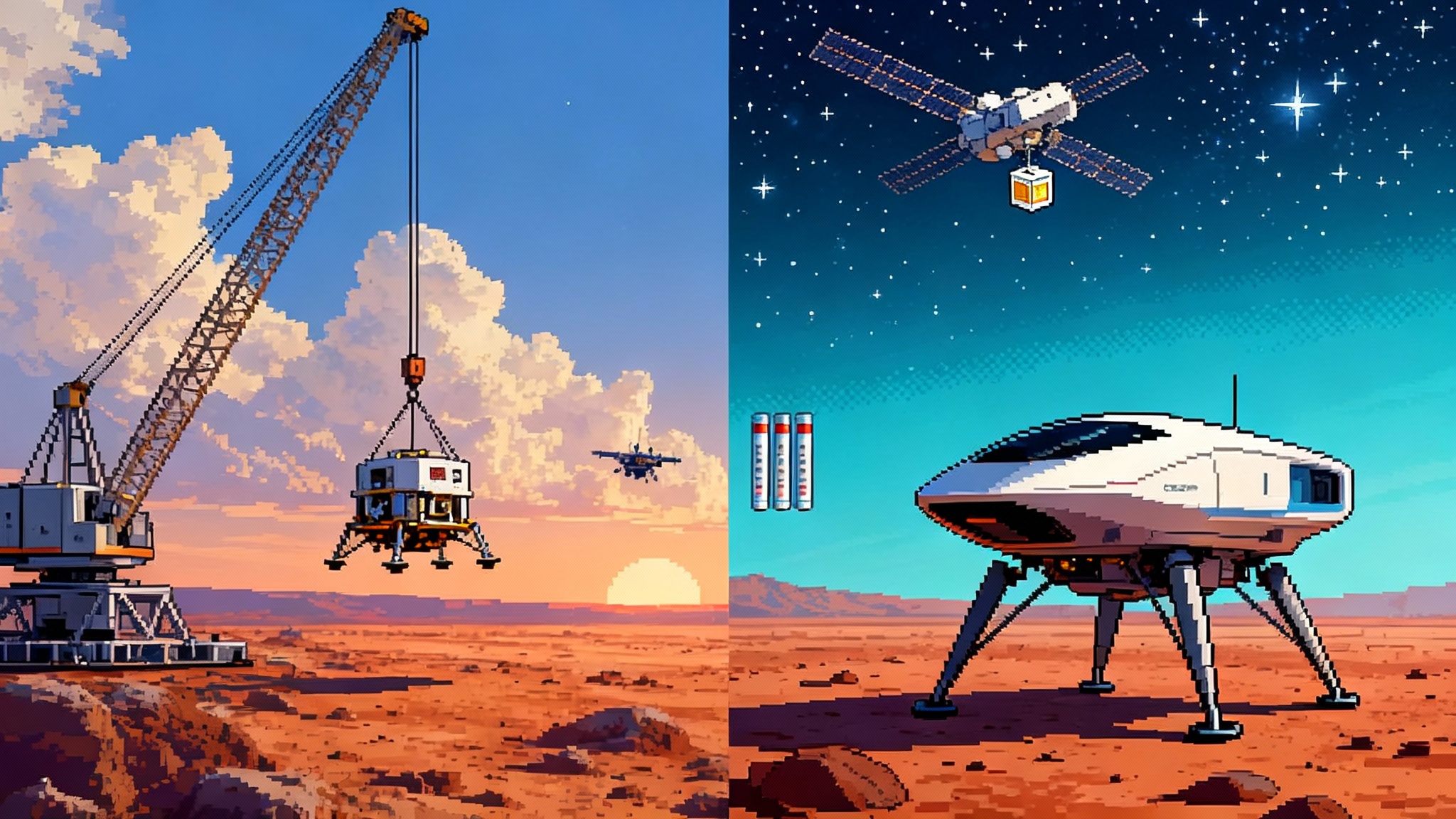
NASA’s 2025 Mars sample return reset, explained
NASA rebooted Mars Sample Return in 2025 with a two-architecture race and new fixed-price roles for industry. Here is what changed, why it matters for cost, schedule, and risk, and what the science payoff could be.
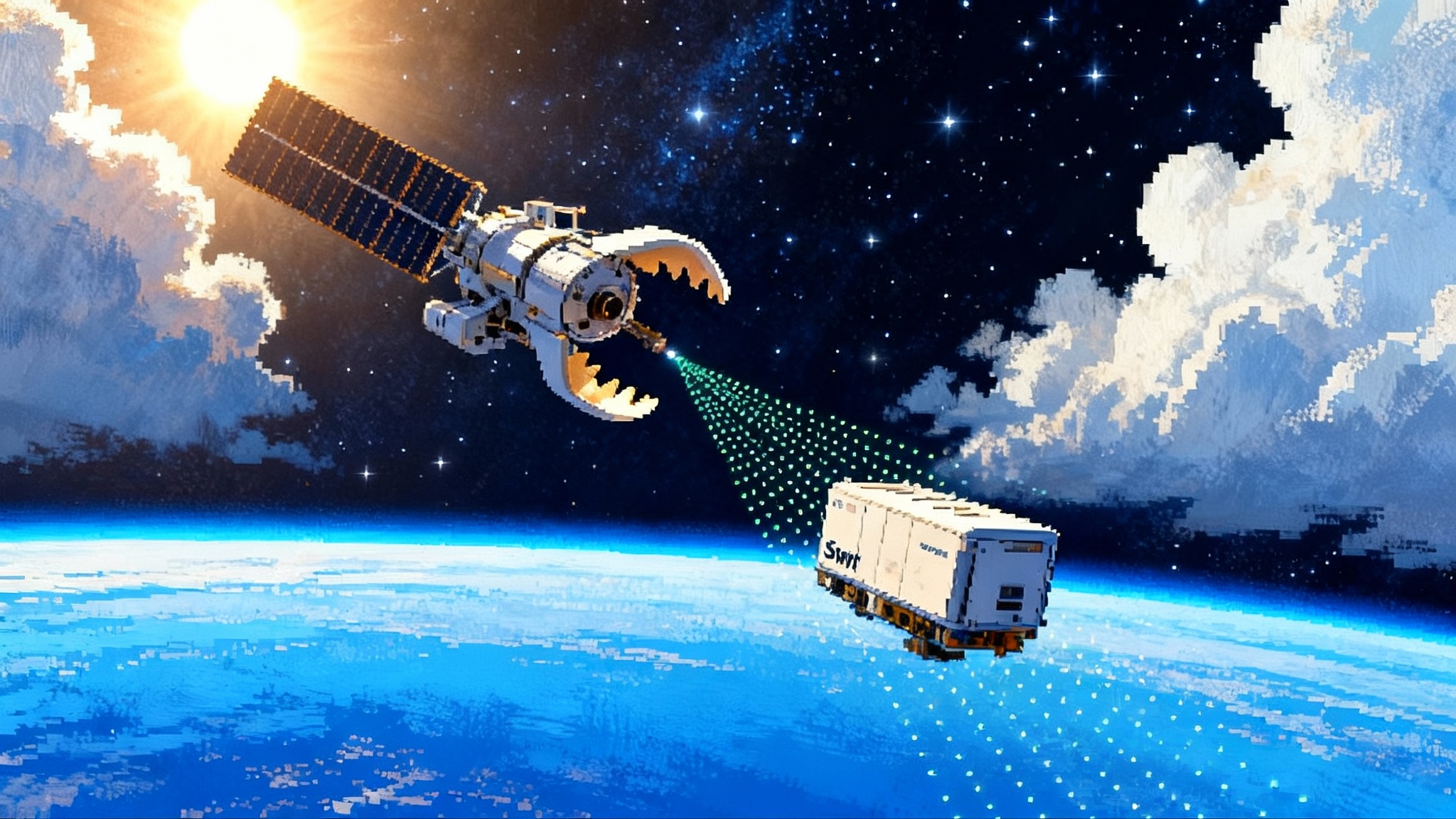
NASA’s Swift rescue could launch a new era of servicing
On September 24, 2025, NASA selected Katalyst Space Technologies to dock with and reboost the aging Neil Gehrels Swift Observatory by spring 2026. If successful, it will be the first commercial capture of an unprepared U.S. science satellite and a pivot point for space-telescope lifetimes.
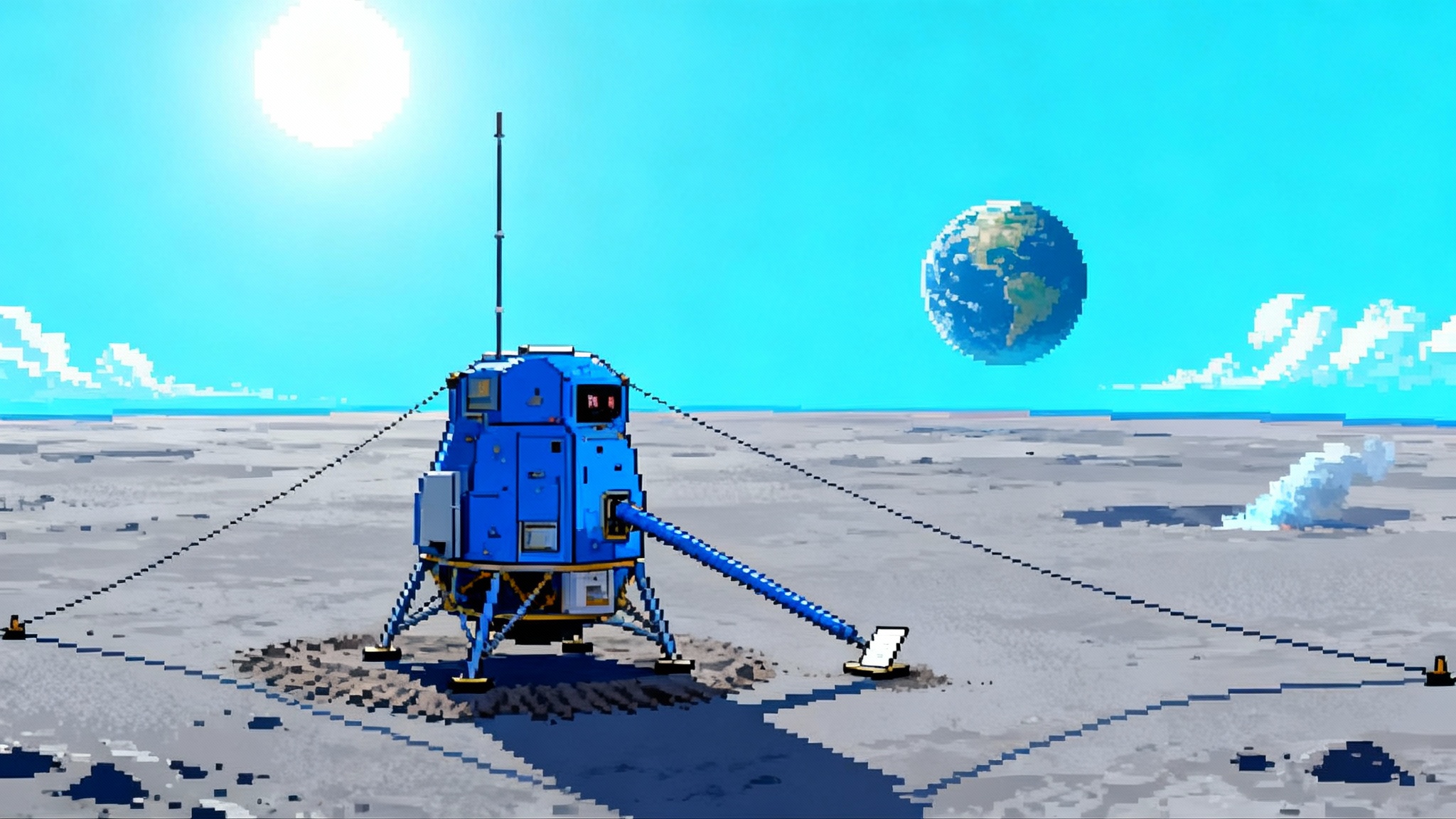
Blue Ghost at Mare Crisium marks a CLPS turning point
Firefly’s Blue Ghost stuck the landing at Mare Crisium in March 2025, then delivered heat flow drilling, dust control, lunar GNSS, a next-gen retroreflector, and magnetosphere imaging. Here is how CLPS shifted from demos to decisions that shape Artemis operations.
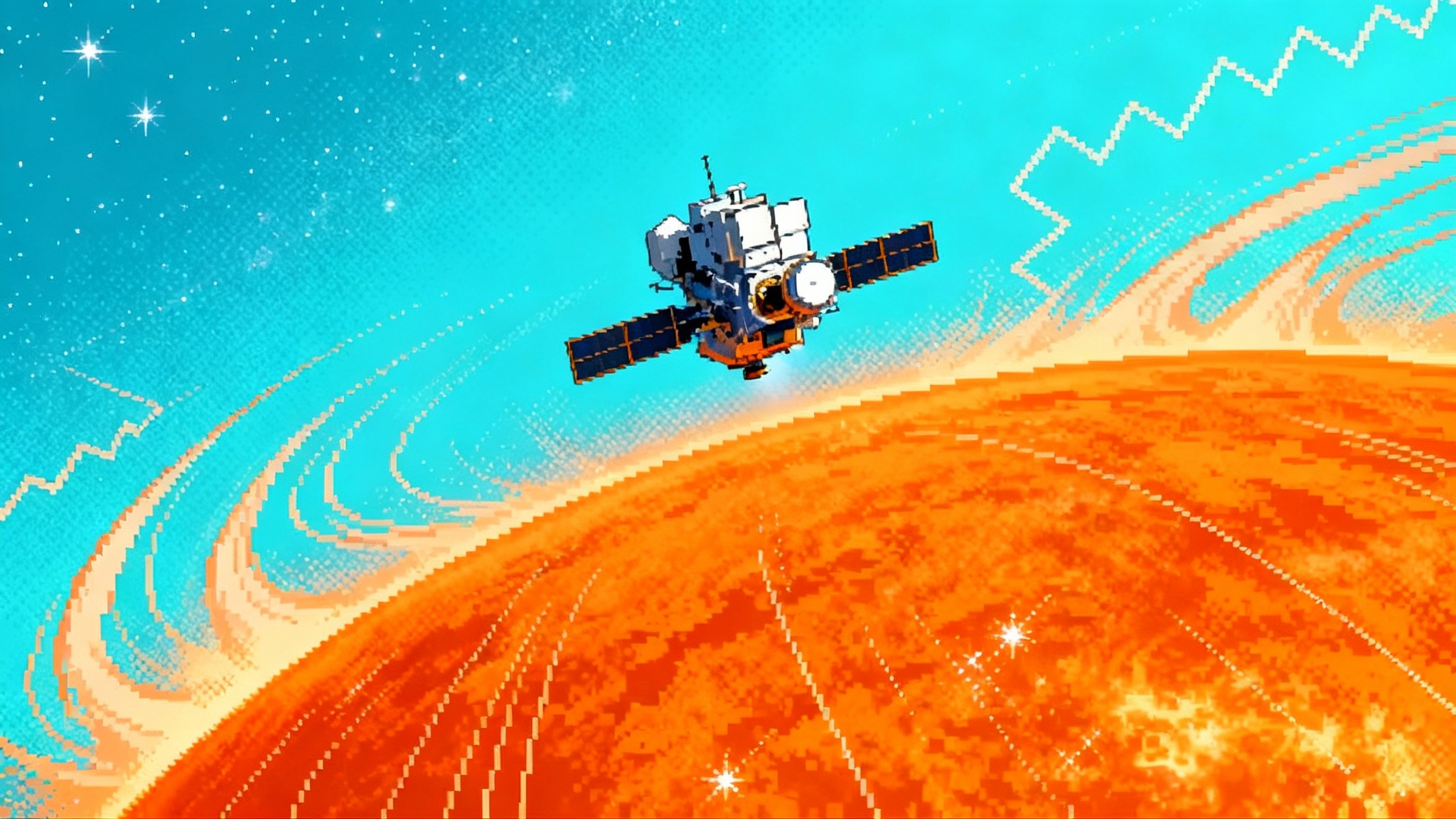
Inside the corona at solar max: Parker’s inflection point
With solar activity near its peak, Parker Solar Probe has just skimmed the Sun again, returning rare in-situ measurements from inside the corona. Here is how new data on switchbacks, heating, and dust can tighten space-weather forecasts and guide tougher mission designs.
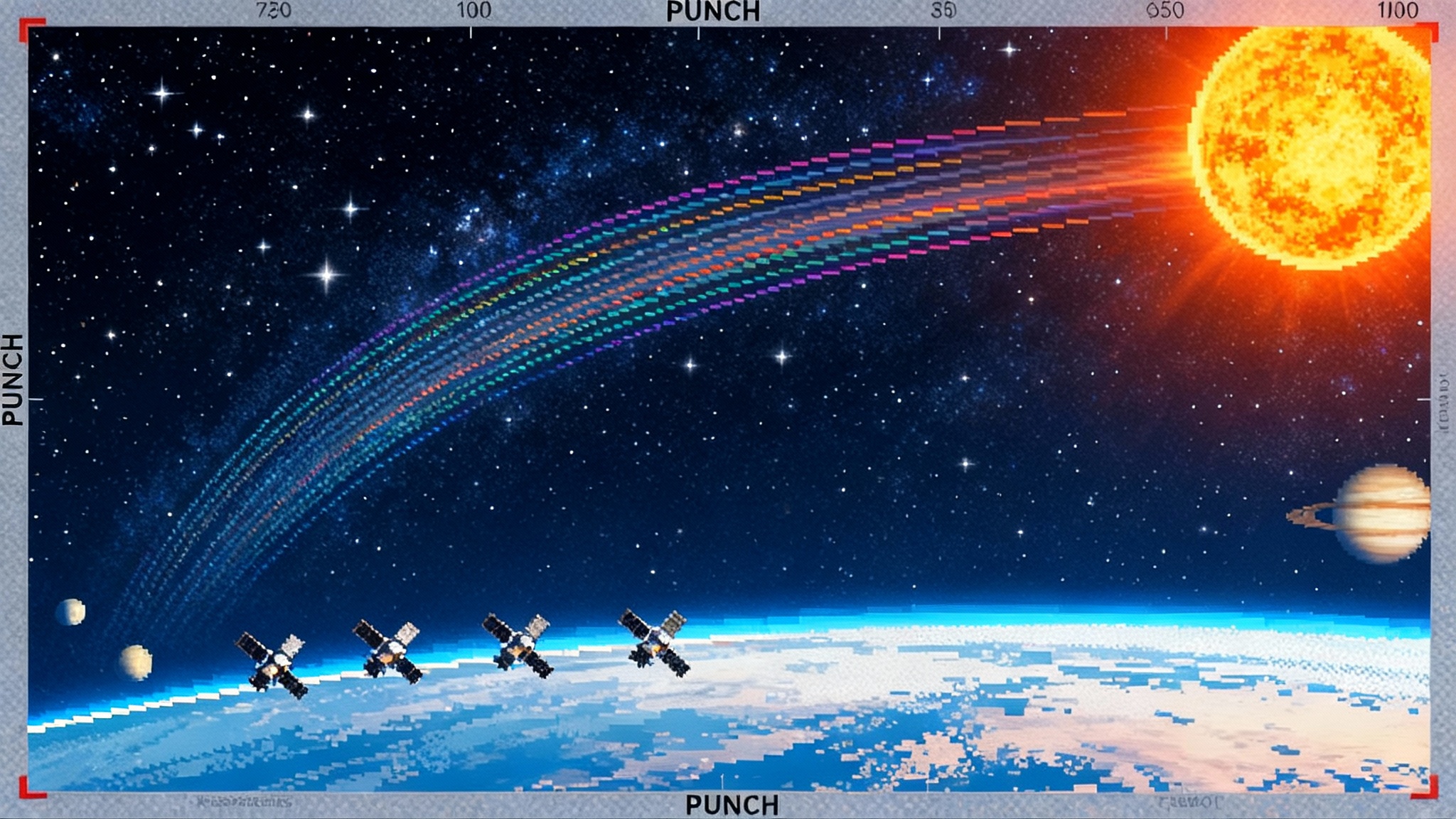
PUNCH’s 3D Solar-Wind Movies Could Rewrite Forecasts
NASA’s four-satellite PUNCH mission has begun stitching polarized images into global 3D movies of coronal mass ejections and the solar wind, just as Solar Cycle 25 peaks. Here is how that upgrade could sharpen warnings for satellites, aviation, power grids, GPS, and astronauts.
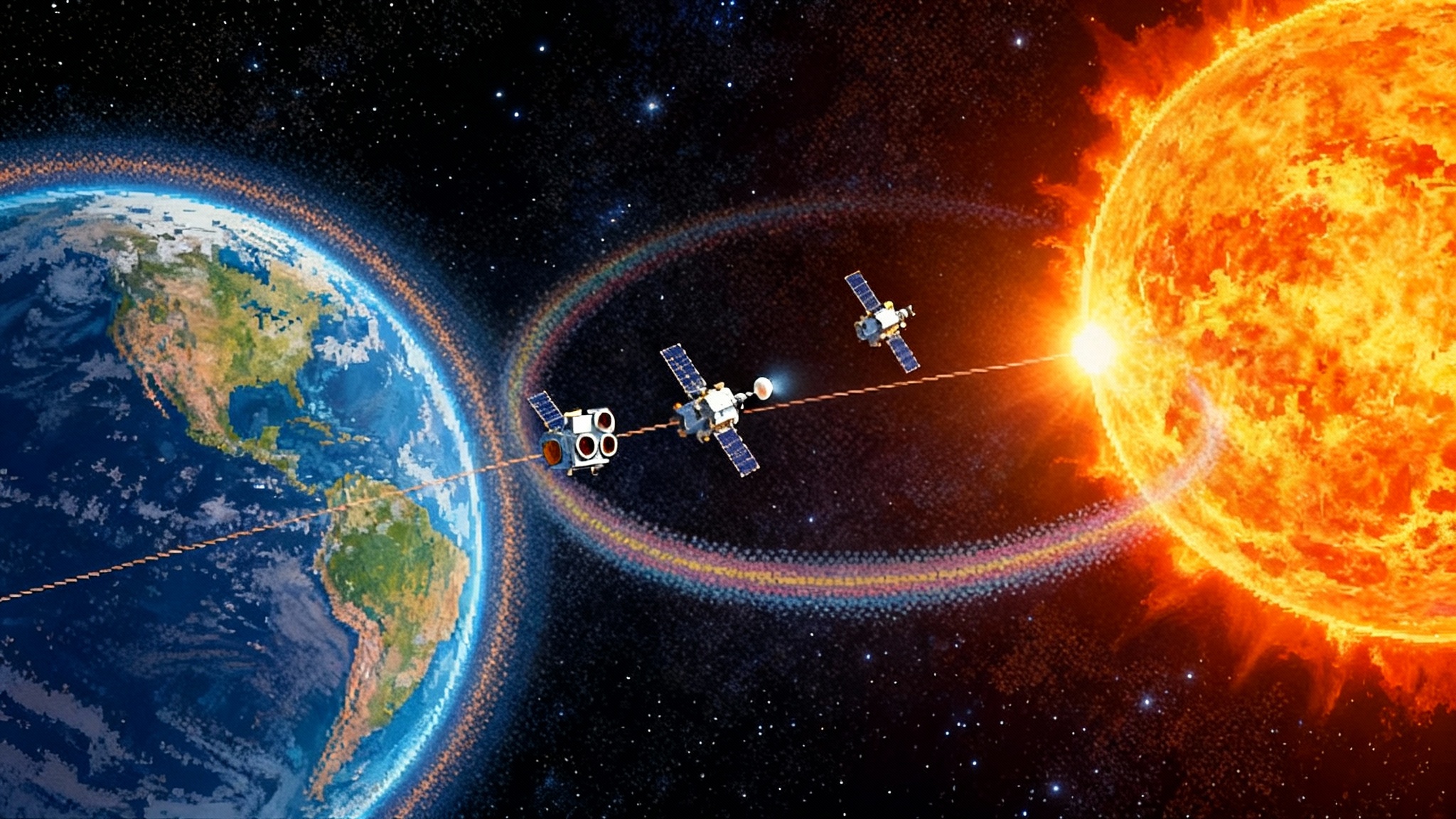
IMAP at L1: why tomorrow’s launch reshapes exploration
IMAP, SWFO-L1, and Carruthers are heading to the Sun-Earth L1 point to map the heliosphere, modernize space-weather watch, and protect crews, satellites, and grids.

VIPER returns: Blue Origin’s Blue Moon MK1 will ferry rover
NASA has brought back its ice‑hunting VIPER rover and tapped Blue Origin’s Blue Moon MK1 for a south pole attempt by 2027. Here is how the CLPS structure shifts risk to industry, what will change on the ground, and why this matters for Artemis planning.

Bennu’s 2025 sample haul reshapes origin of life science
The first 2025 results from NASA’s OSIRIS-REx sample show all five DNA and RNA nucleobases, dozens of amino acids, and a clean magnesium–sodium phosphate that points to briny water on Bennu’s parent world. The mix is pushing astrobiology toward faster, sample-first missions and a sharper planetary defense playbook.
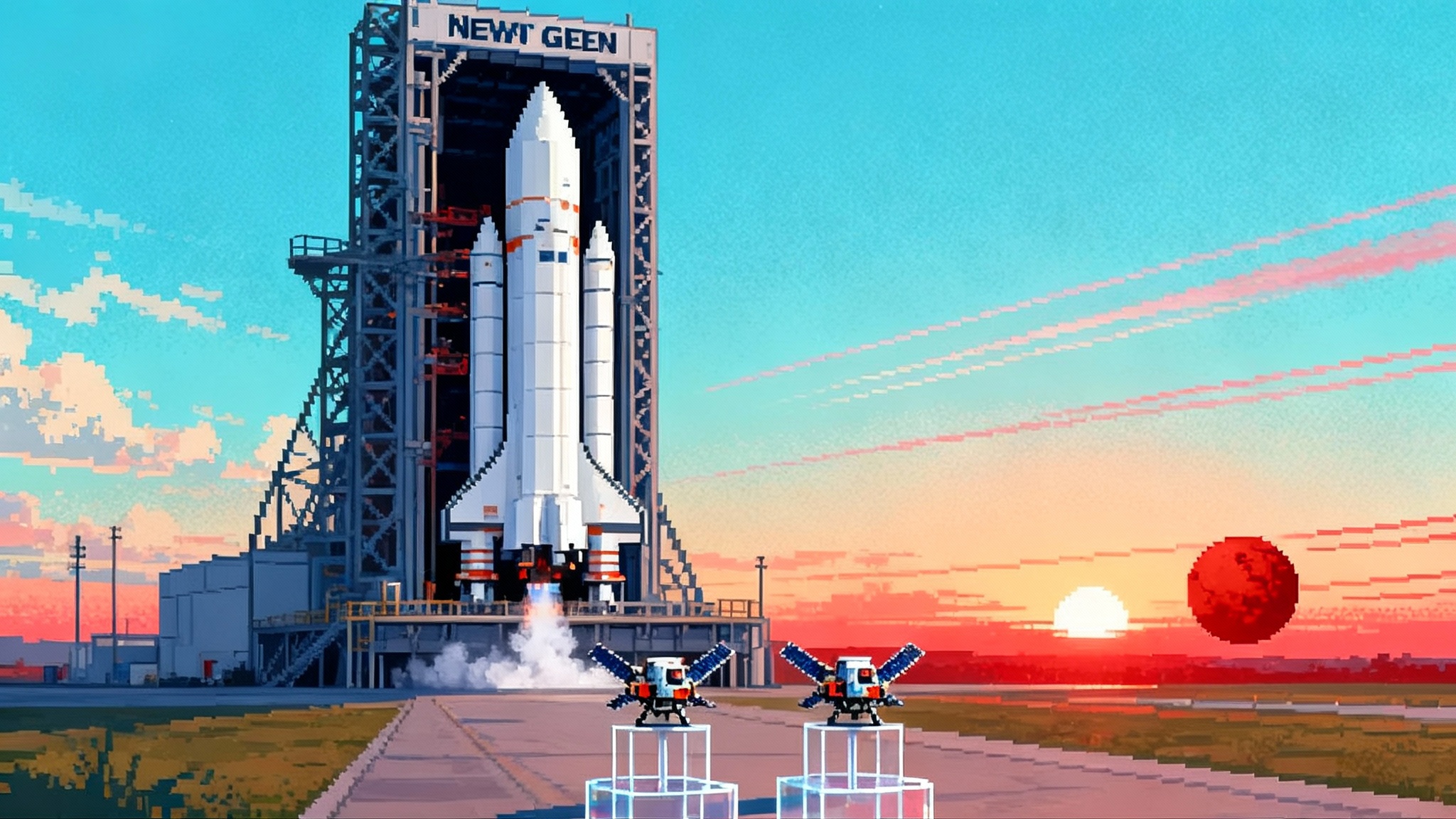
Two Mars probes, one big moment for New Glenn and NASA
Blue Origin’s New Glenn is slated to send NASA’s twin ESCAPADE spacecraft toward Mars as early as fall 2025. Explore what the mission will uncover about Mars’s magnetosphere and why a successful second New Glenn flight could reset pricing, cadence, and competition across the launch market.

JWST’s little red dots point to a fast track for black holes
Some of JWST’s puzzling little red dots may be compact black hole-star atmospheres rather than tiny galaxies. Paired with new detections of dust-shrouded early quasars, they outline a fast route to supermassive black holes and a clear set of tests to confirm it.
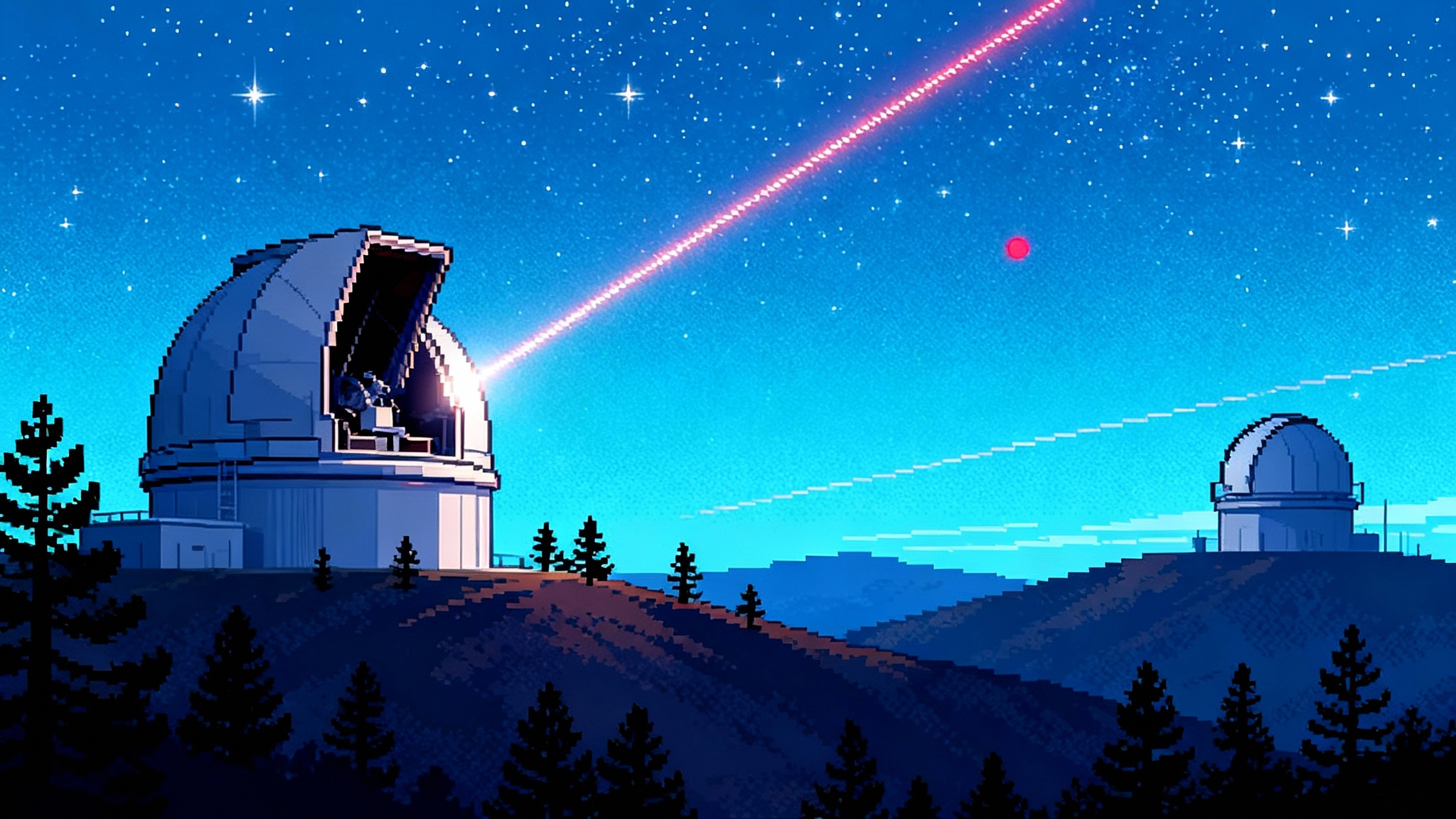
65th pass: DSOC's 218-million-mile link changes Mars comms
NASA’s DSOC wrapped its 65th and final pass with Psyche from 218 million miles, proving deep space laser links at Mars ranges. Here is how optical comms enable HD video, teleoperations, lighter spacecraft, and new mission playbooks.
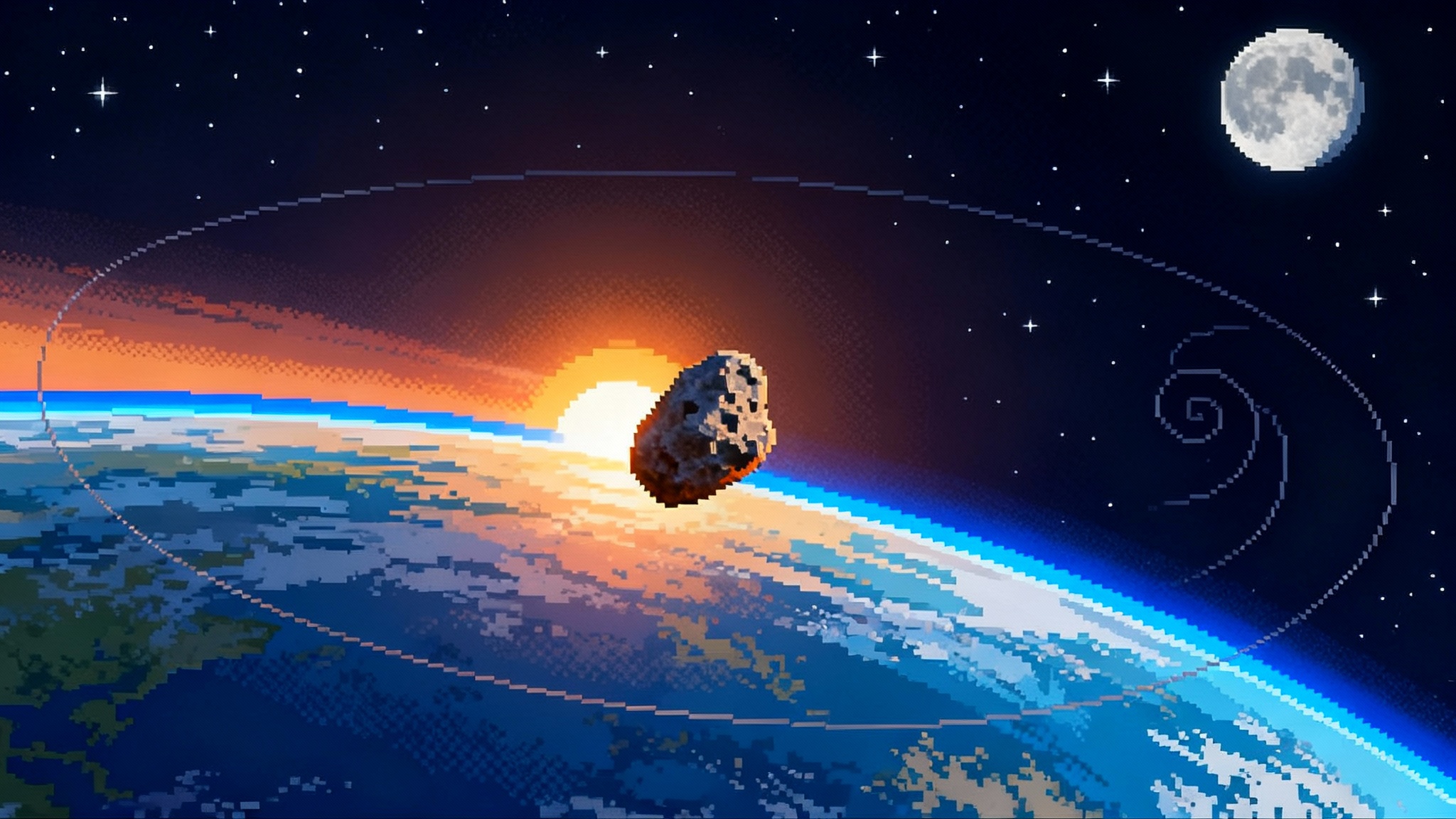
Earth’s new quasi-moon 2025 PN7 could change exploration
Astronomers have flagged 2025 PN7 as a newly discovered quasi-moon that closely tracks Earth. Here is how it hid for decades, why its orbit is unusual, and how it could unlock rapid, low-cost missions while sharpening planetary defense.
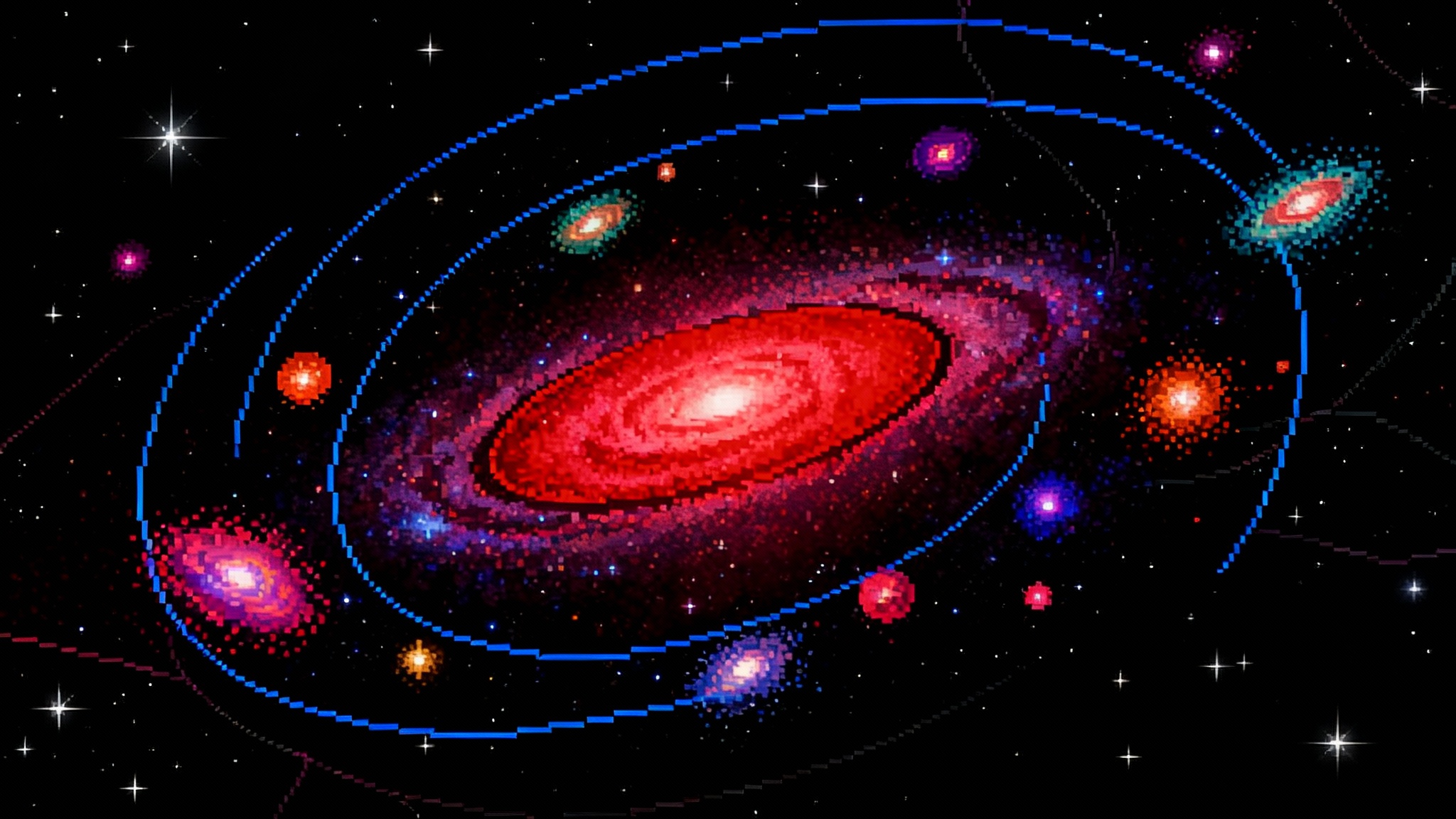
Euclid’s Q1 release is reshaping our view of the dark universe
On March 19, 2025, Euclid unveiled its first science trove: 63.1 square degrees and roughly 26 million detections. The images already spotlight strong lenses, rich clusters, and filaments you can explore now, with full DR1 slated for October 2026.

Driest Lunar Mantle Yet Is Forcing a New Moon Playbook
New analyses of Chang'e-6 farside samples suggest mantle water as low as 1 to 1.5 micrograms per gram and basalt ages near 2.83 billion years. The results tighten resource expectations away from mid‑latitudes and sharpen Artemis priorities around polar ice and operations.