 Military
Articles under the Military category.
Cheap Interceptors Flip C-UAS: Roadrunner and Coyote
After the Pentagon’s 2025 buys and first deployments, reusable and expendable interceptors are breaking the counter-drone cost curve. See what is fielded now, how the stacks are changing, and what comes next.

LEO Navigation Goes Live, And GPS Finally Gets a Backup
With Xona’s Pulsar‑0 on orbit and U.S. regulators pushing diversification, low Earth orbit PNT is shifting from demos to deployment. Here is how it changes resilience, costs, and timelines.
2025's Hypersonic Tipping Point: Dark Eagle and Mobile Strike
Late 2025 marks the shift from demos to fielded hypersonics. The Army is arming its first Dark Eagle battery as startups push cheaper hypersonic rounds onto mobile launchers like HIMARS. Here is what changes next.
Solid Rocket Motors 2.0: New Plants, Printed Propellant
A new Avio factory in the U.S. and X-Bow’s 3D‑printed propellant signal real relief for the missile motor bottleneck. Here’s what changes between 2026 and 2029, what still constrains output, and how policy can speed the turn.
Ghost Shark Goes Fleetwide as Australia Bets on Autonomous Subs
On September 10, 2025, Australia moved Ghost Shark from prototype to a fleet program of record, with first deployments slated for early 2026. Here is how long endurance autonomous submarines shift deterrence and kill chains across the Indo Pacific.

Launched Effects Make Apaches and Black Hawks Drone Arsenals
After August 2025 soldier demos and a new Sikorsky contract, the Army is moving Launched Effects from trials to fielding. Pods on Apaches and Black Hawks will push sensing, targeting, and strikes forward at standoff ranges, with Apache v6.5 and a federated Black Hawk package primed for 2026.
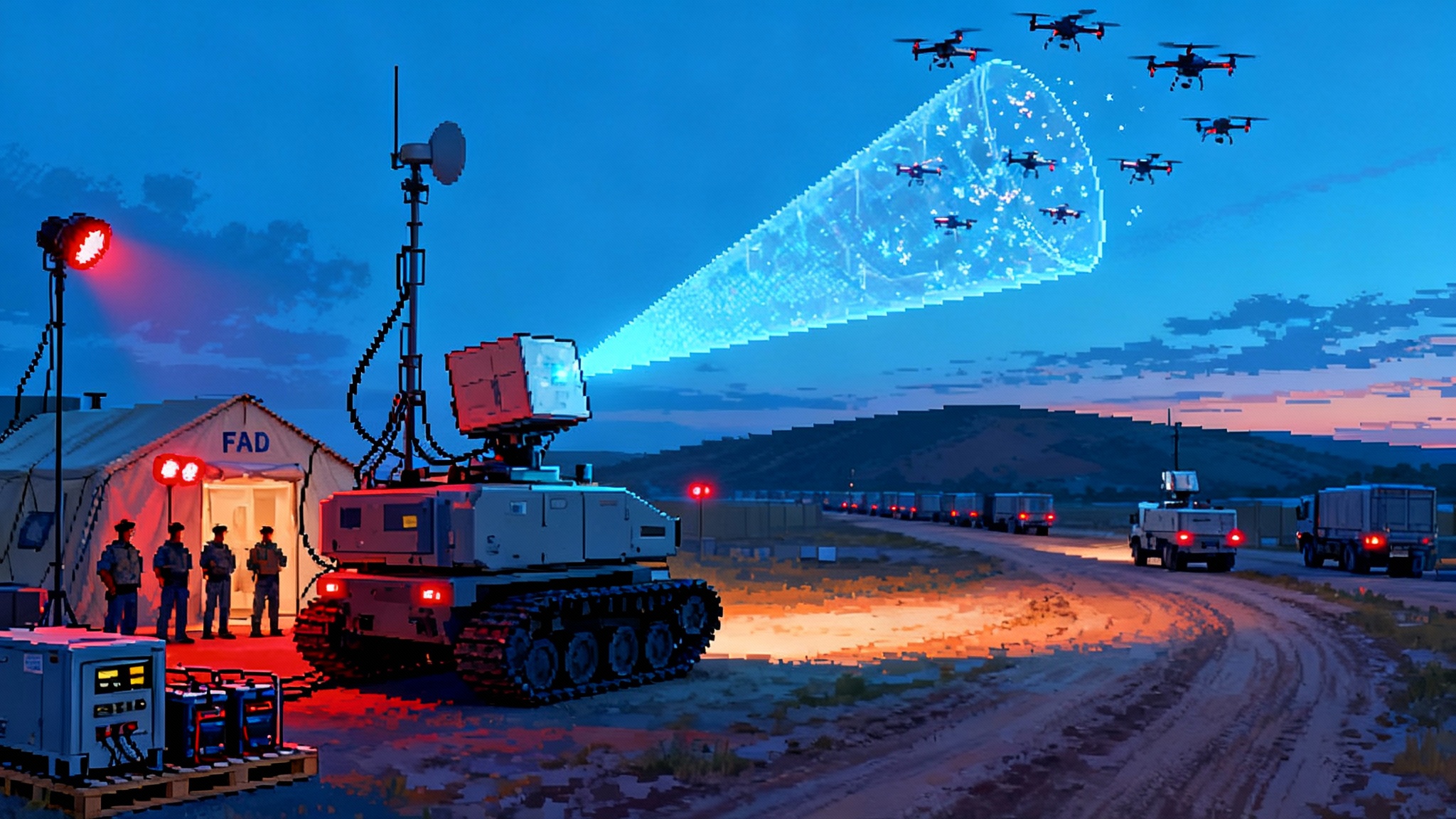
Microwaves vs the Swarm: HPM Weapons Move to Fielding
In August 2025 a truck-mounted high-power microwave erased 61 drones in seconds. Solid-state arrays, battery power and FAAD C2 integration are flipping the counter-drone cost curve from missiles to energy shots.
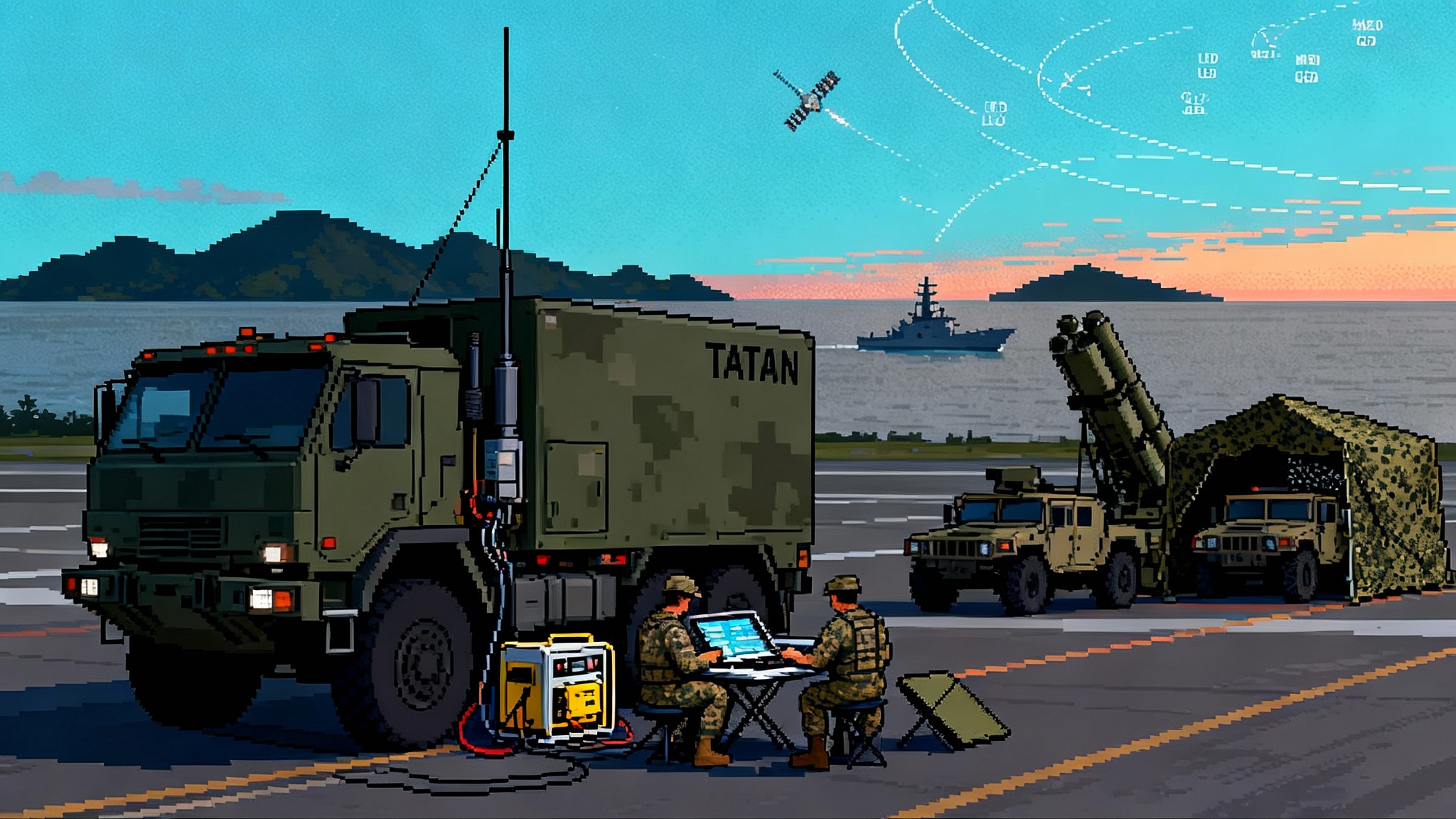
TITAN Arrives: AI Target Fusion Puts CJADC2 on Wheels
In March 2025 the U.S. Army began fielding TITAN trucks to the 1st Multi-Domain Task Force. These AI-driven ground stations fuse space and terrestrial sensors to feed long-range fires, compressing sensor-to-shooter timelines across the Indo-Pacific.

USAF’s robot wingmen fly: Anduril’s test and what changes next
Anduril’s jet-powered Collaborative Combat Aircraft flew on October 31, 2025, moving the U.S. Air Force from concept slides to flight tests. Here is what changes now, from 2026-27 buys to autonomy safety cases, Pacific tactics, payload choices, and cost.
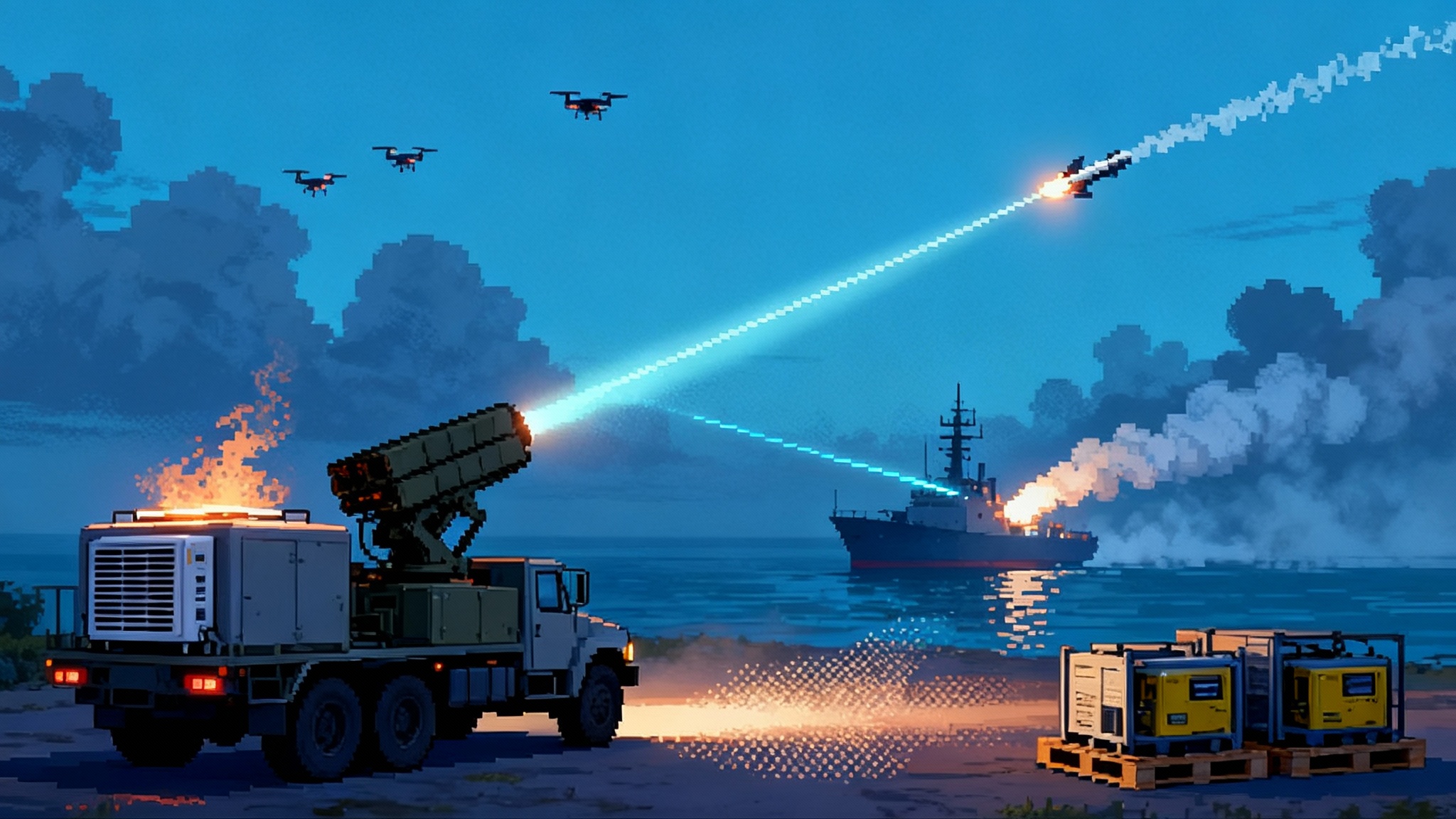
Iron Beam’s 2025 debut rewrites air-defense economics
Israel’s Iron Beam high-energy laser enters service in 2025 and flips the cost curve of air defense. Dollar-level shots, deep magazines, and software-driven control meet hard limits from weather, power, and beam quality. Here is what changes next.
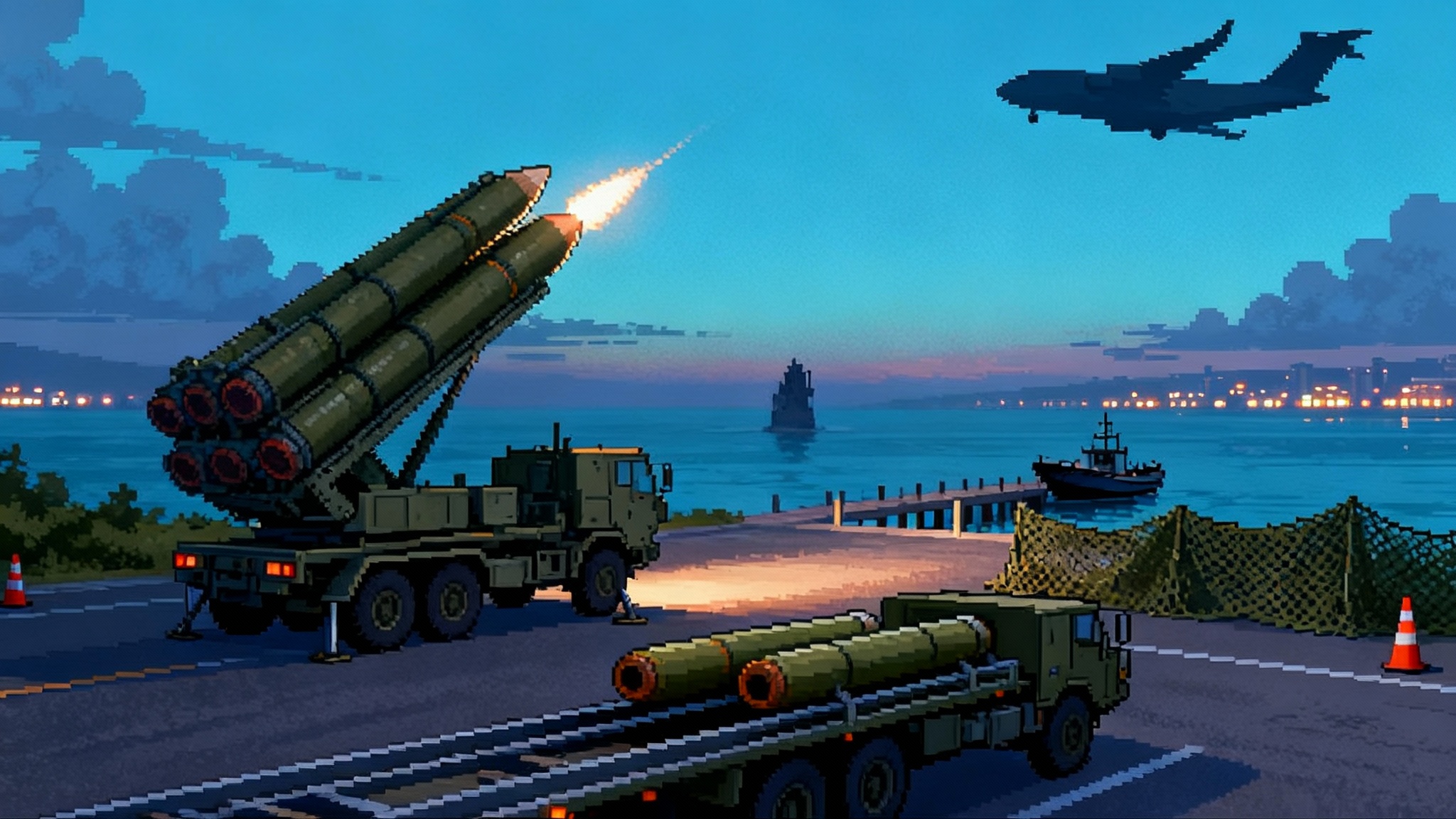
Typhon goes forward: land-based sea strike remakes the Pacific
In 2025 the U.S. Army’s Typhon rolled off cargo ramps in Australia and Japan, proving that truck-mounted SM-6 and Tomahawk batteries can hunt ships from shore. Here is how mobile launchers, smarter software, and allied basing are rewriting deterrence across the Indo-Pacific.
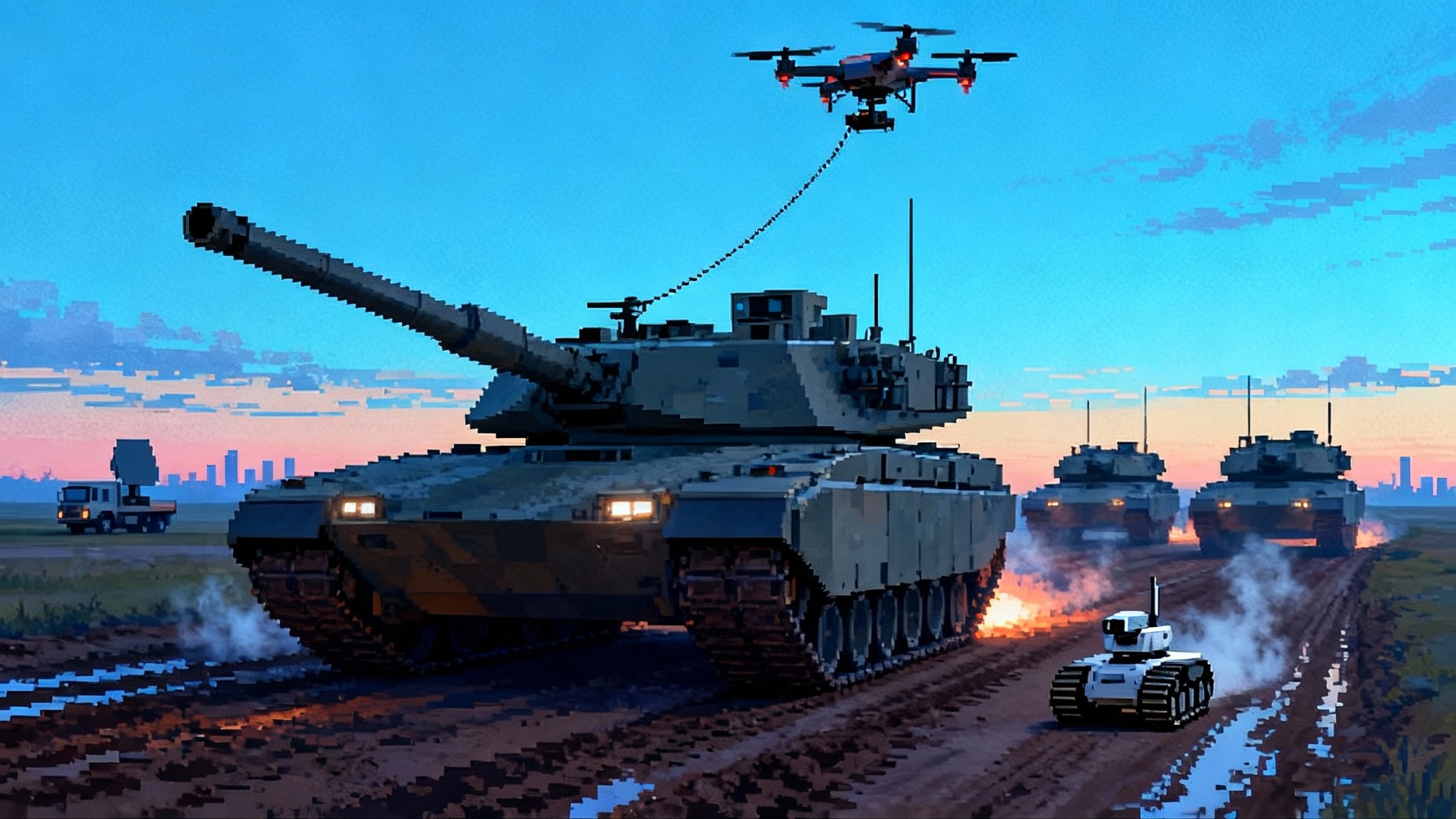
XM30 trials: open architecture meets the AI and drone battlefield
With Milestone B cleared in June 2025 and first prototypes due in 2026, the XM30 is arriving as a digital-first infantry fighting vehicle built for drones, electronic warfare, and rapid upgrades. Here is how its design will rewrite tactics and sustainment.

Space Force Activates CASR, A Wartime Lever for Commercial Space
The U.S. Space Force has moved the Commercial Augmentation Space Reserve from slides to practice, running a first wargame and pilot contracts that put commercial SATCOM, imaging, and space‑domain data on wartime footing. Here is how CASR will work and scale by 2026.

TLS-BCT Manpack brings spectrum power to the platoon
With 2025 deliveries accelerating and new funding in place, the Army’s TLS BCT Manpack moves jamming and signals intelligence into line units, speeds sensor-to-shooter targeting, and plugs the tactical edge into CJADC2.

Project Pele’s Truckable Microreactor Reaches Reality
2025 marks the turn from drawings to metal for Project Pele. A truck-movable, containerized microreactor delivering 1 to 5 megawatts could free Indo-Pacific outposts from risky fuel convoys and power radar, laser defense, and autonomous systems. Here is the roadmap, rules, and risks.

AUKUS’ undersea surge: Ghost Shark builds, Orca readies
AUKUS just moved from slides to steel. Australia opens a Ghost Shark production line with deliveries in January 2026 while the United States readies Orca for operational use, reshaping Indo Pacific sea denial with modular, networked autonomy.

NTS-3 Lifts Off, Reprogrammable GPS Enters the Fight
NTS-3 is now on orbit, opening a year of live experiments in software-defined, authenticated, spot-beam navigation. Here is how a hybrid GEO plus LEO blueprint and jam-resistant receivers could harden timing, targeting, and maneuver through 2027.
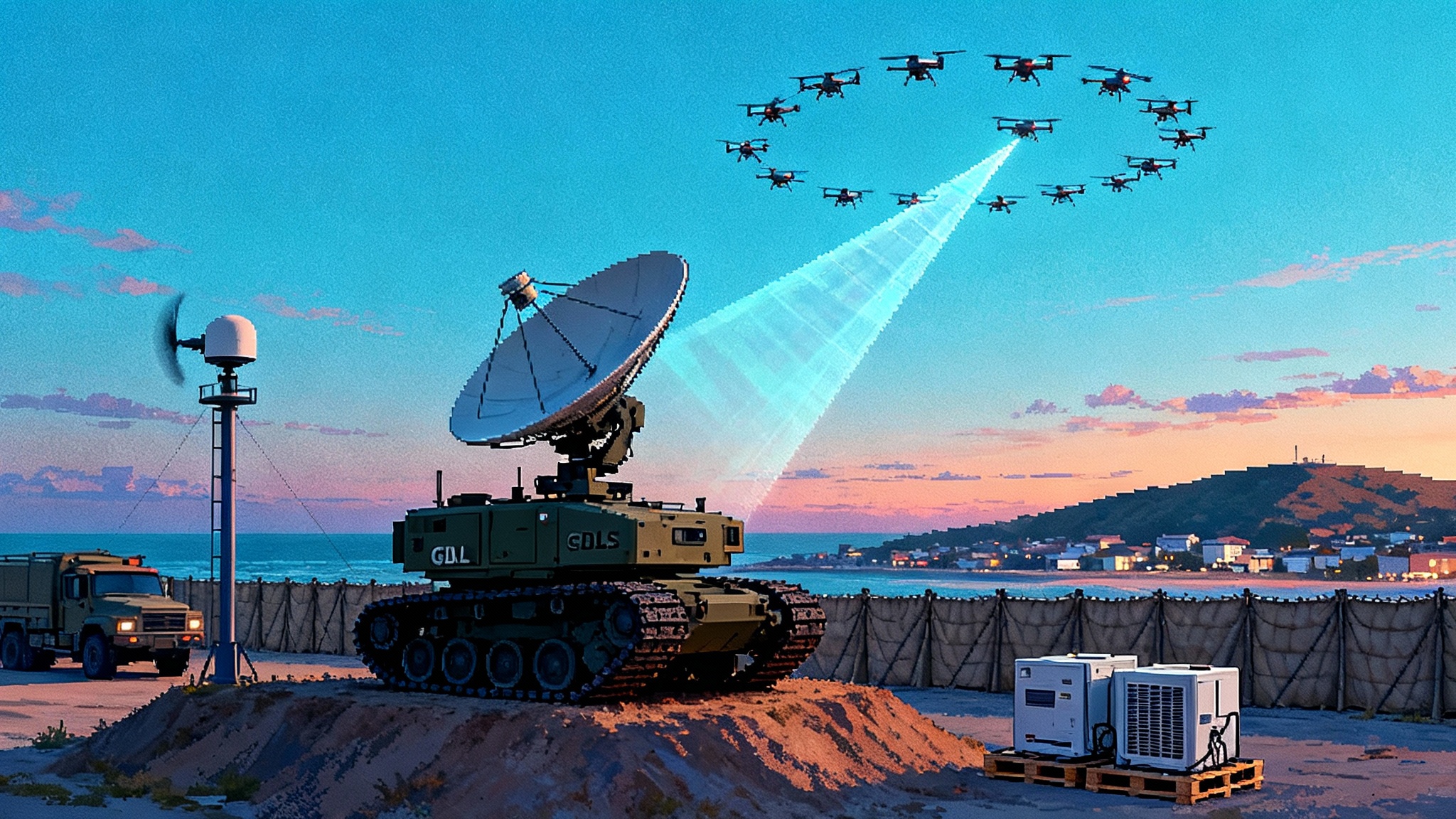
Microwaves vs Swarms: 2025’s High Power Counter UAS Breakout
From Army second-generation buys to Marine expeditionary trials and high-mass demos, 2025 turned high-power microwaves from promise to plan. See how one-to-many effects rewrite shot doctrine and what to accelerate through 2026 and 2027.