 Space
Space
Articles under the Space category.
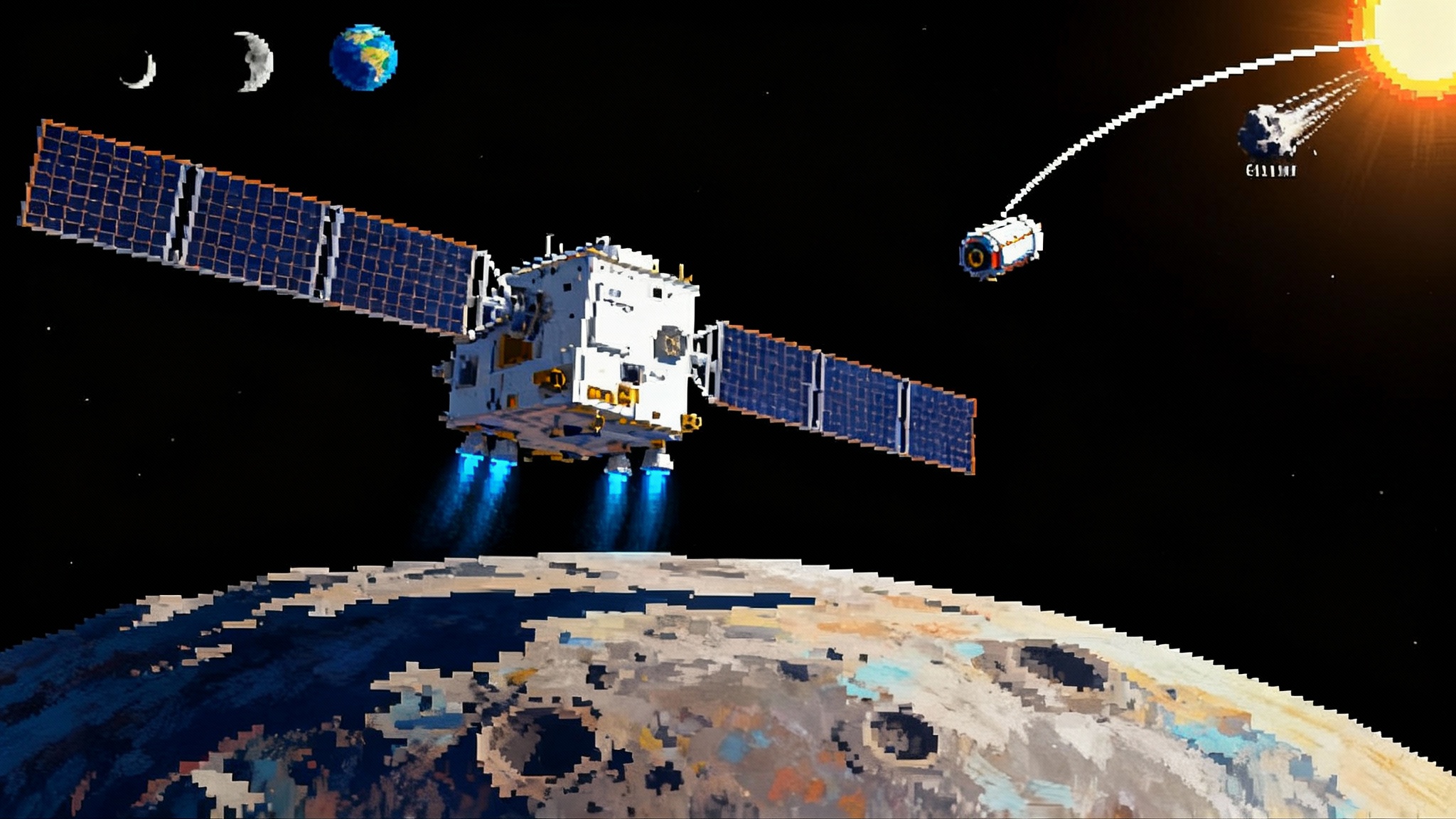
China’s Tianwen‑2 launches to a quasi‑moon, then 311P
China launched Tianwen-2 to sample Earth’s quasi-satellite Kamo‘oalewa and return material by 2027 before continuing on to active asteroid 311P/PANSTARRS. The dual-target mission showcases solar-electric propulsion and has clear planetary-defense value.
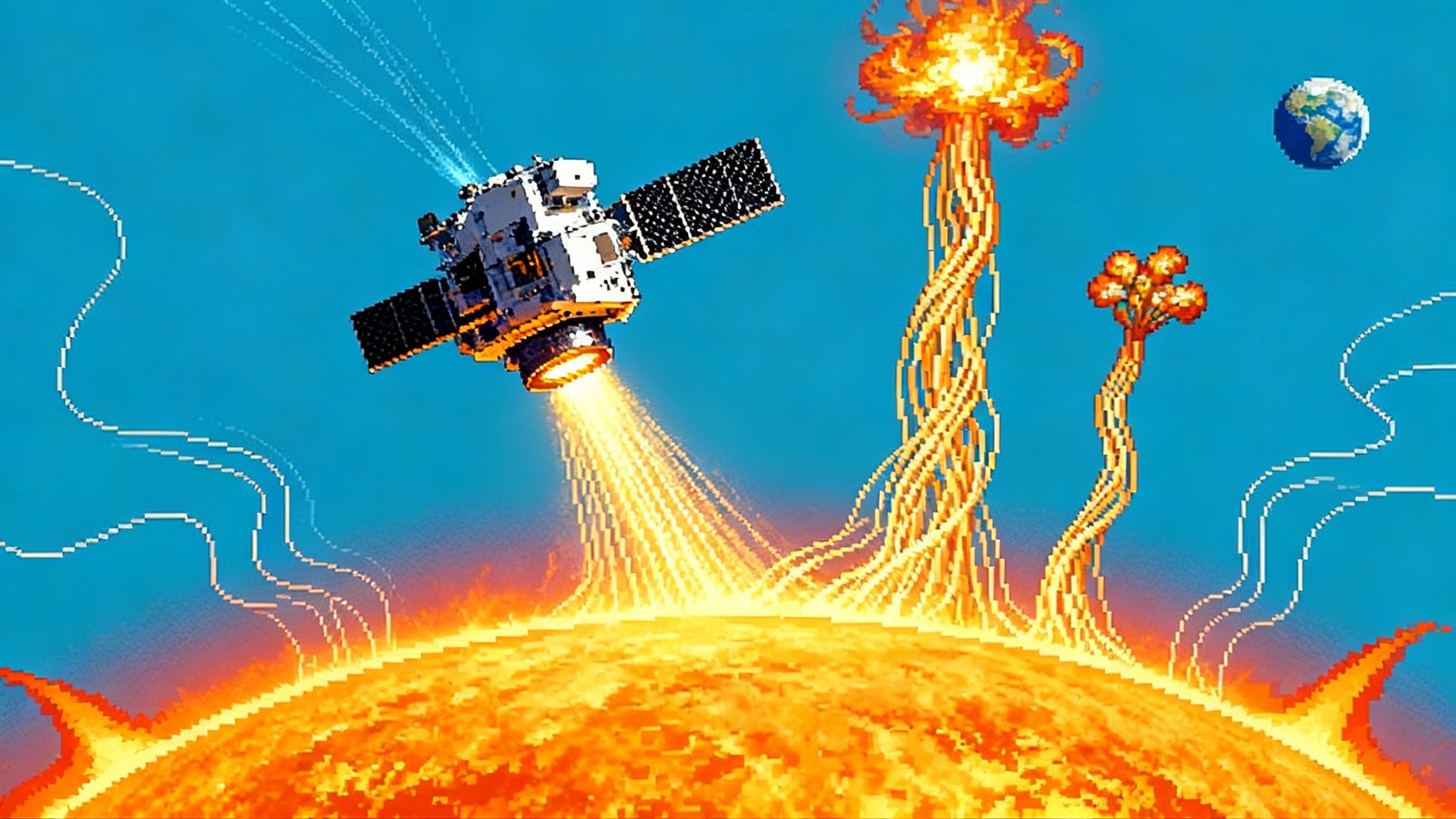
Inside the Corona: Parker’s 2025 Data Will Rewire Space Ops
Parker Solar Probe’s 2025 inside-the-corona passes are turning solar physics into engineering data. Live readings of wind lanes, magnetic switchbacks, and CME birth zones now map directly to decisions for crews, constellations, and power grids.
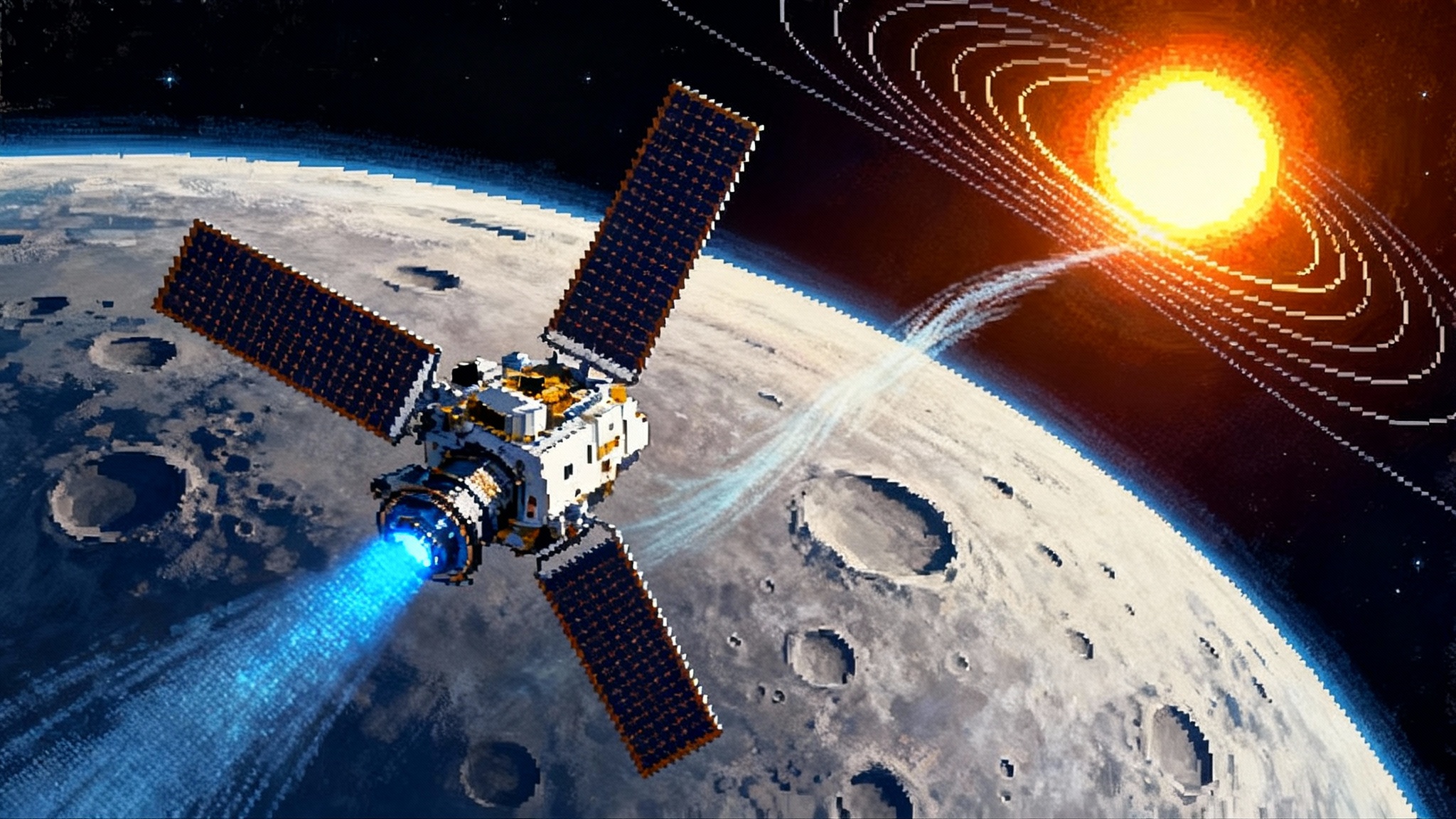
BepiColombo’s reroute sets up a richer Mercury campaign
ESA’s BepiColombo will now target Mercury orbit in November 2026 after a thruster power shortfall. The reroute preserves core goals, adds rich flyby science, and times the main campaign with an active Sun that could supercharge magnetosphere and exosphere results.
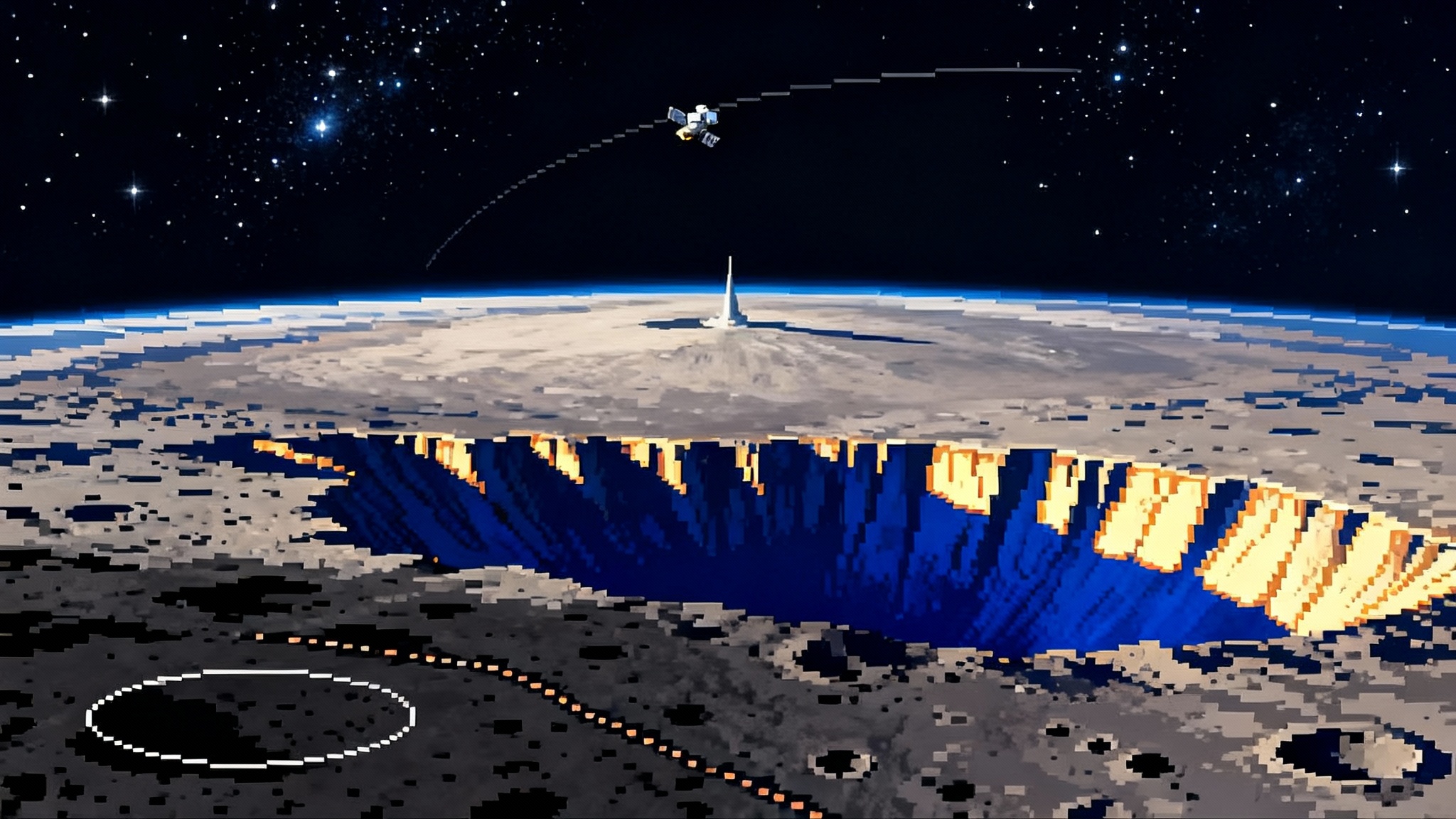
Chang’e‑6 farside samples rewrite the Moon’s water map
Peer-reviewed results from Chang'e 6 show the lunar farside mantle is ultra-dry, with fresh clues about long-lived volcanism and a surprising magnetic rebound. Here is what that means for ISRU bets, south pole site choices, Artemis vs ILRS strategy, and what to fly next.
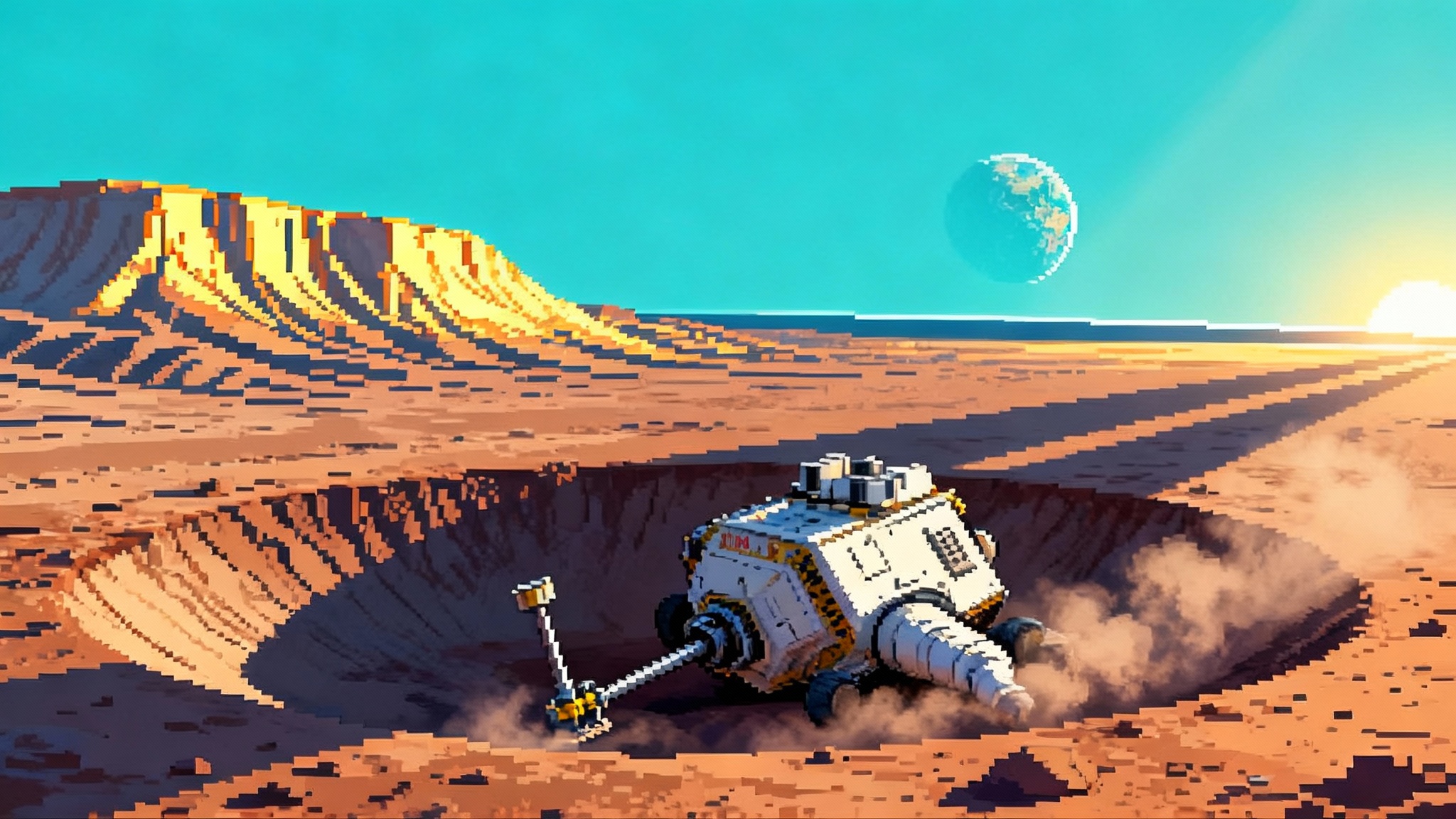
Athena's 12 Hours Sideways Reset Lunar Surface Logistics
Two commercial landers touched down days apart. Firefly’s Blue Ghost worked through a full lunar day, while Intuitive Machines’ Athena landed near the south pole and operated for just 12 hours on its side. Here is what those bookend outcomes proved about LTE comms, PRIME-1, and Artemis surface logistics.
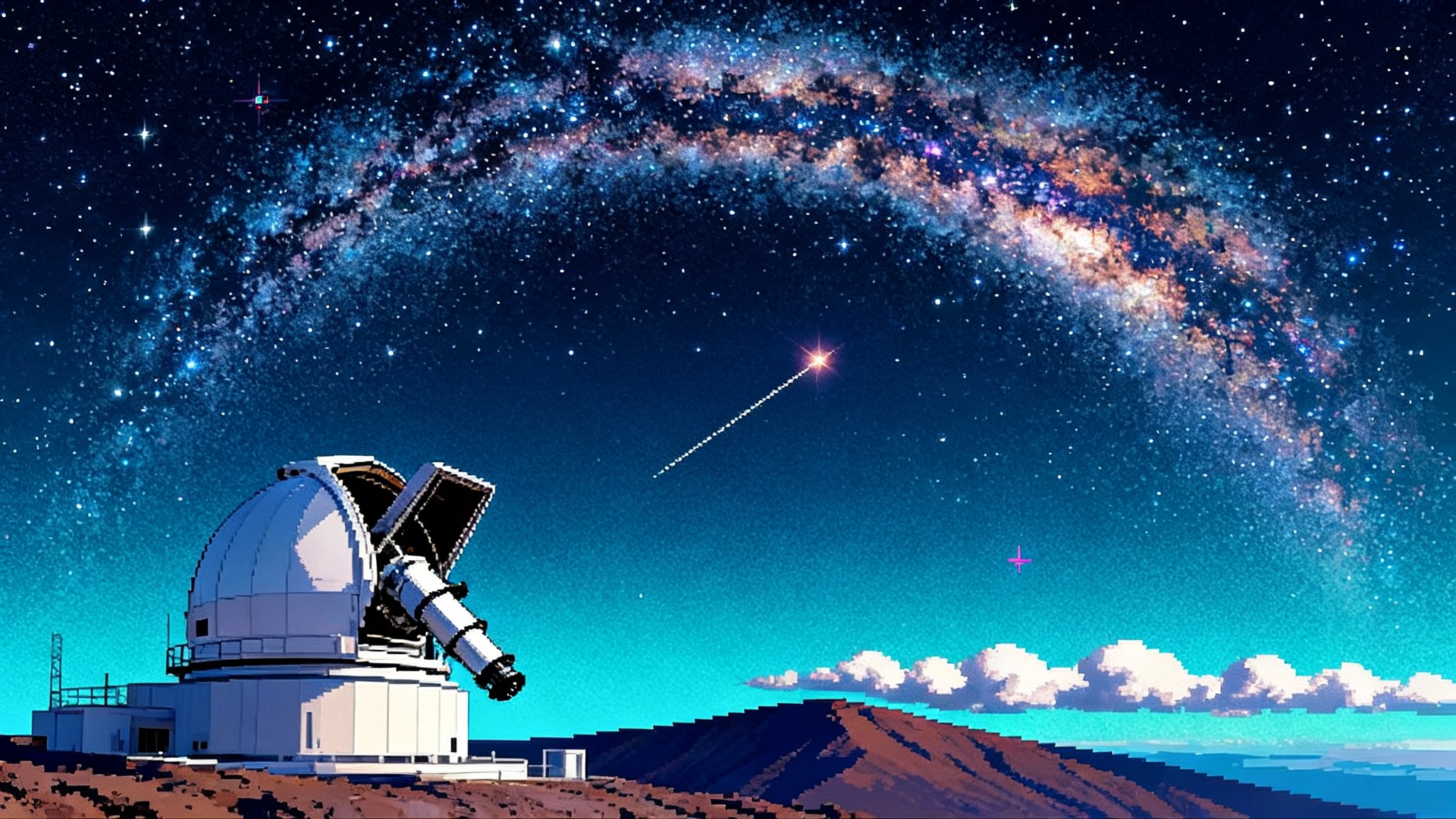
Rubin’s First Look: How LSST Alerts Will Turbocharge Discovery
LSST commissioning has begun, and Rubin Observatory’s minute-scale alerts are about to flood astronomy with millions of nightly signals. Here is how real-time discovery will reshape planetary defense, interstellar targets, and fast transients, and how to turn the firehose into results.

Hubble catches a white dwarf devouring a Pluto-like world
Hubble’s ultraviolet spectra caught nitrogen and water rich debris raining onto a nearby white dwarf. It is the clearest sign yet of an exo Kuiper Belt and how icy bodies seed rocky worlds.
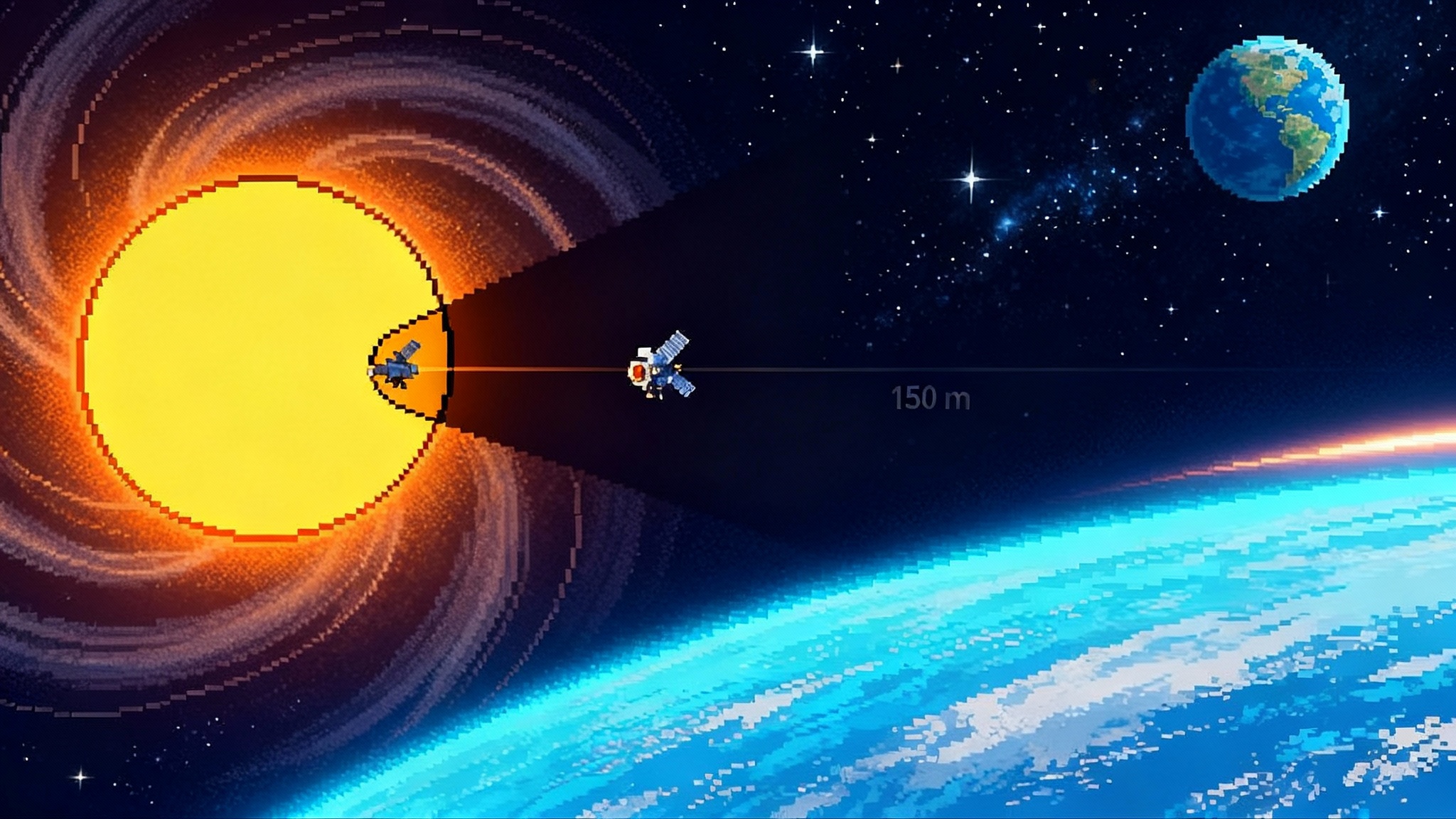
Proba-3 makes eclipses on demand to map the inner corona
ESA’s Proba-3 turns totality into a scheduled lab. By flying two small satellites 150 meters apart, the mission creates hours-long artificial eclipses that reveal the Sun’s inner corona and sharpen CME forecasts.
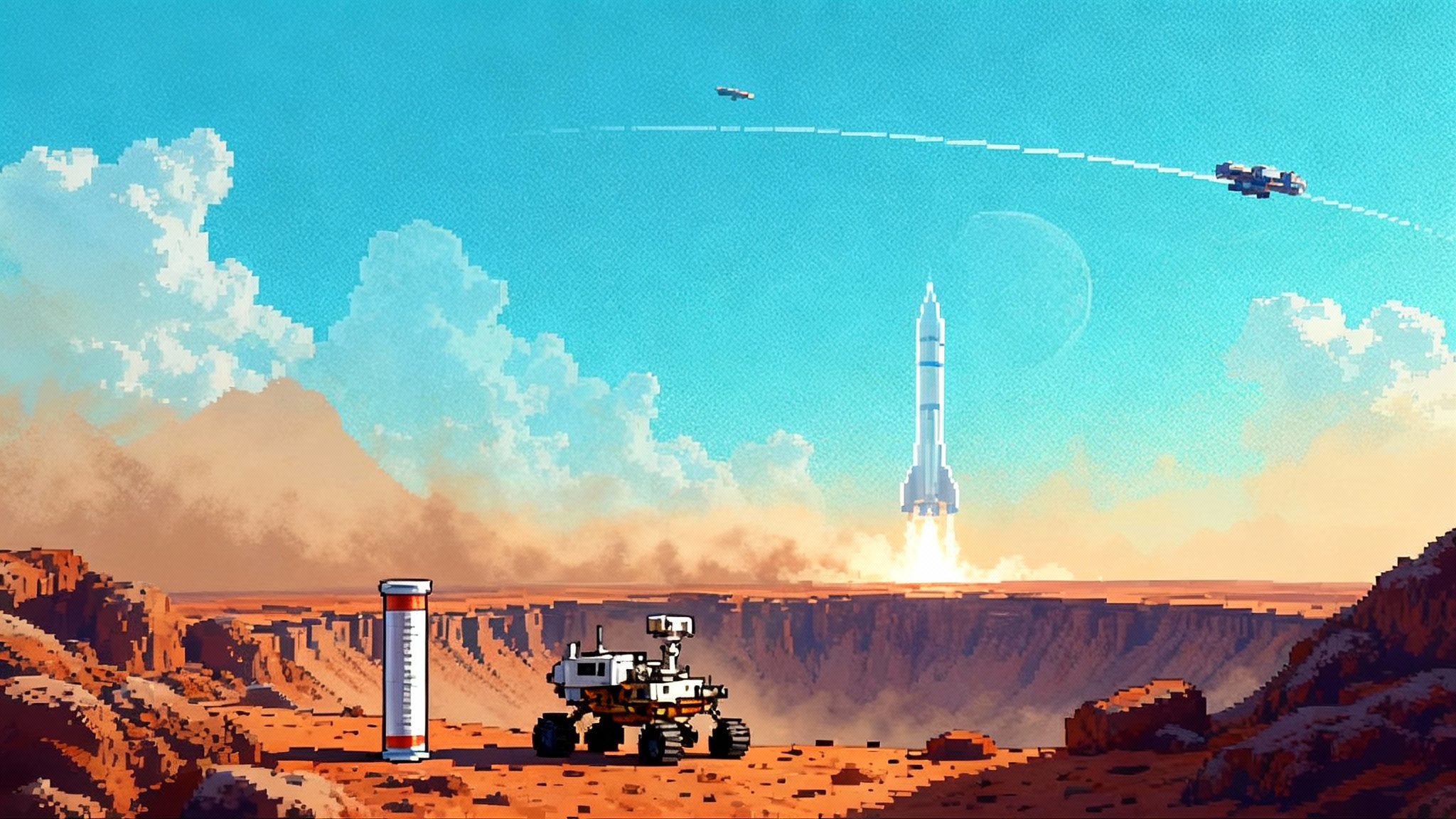
Mars Samples at Stake: NASA’s 2025 Reset vs Tianwen-3
NASA has launched a dual-architecture race to bring Perseverance's samples home while China advances Tianwen-3 for a 2028 to 2031 return. What changed, the science we must not lose, and how the outcome could reshape Mars exploration this decade.
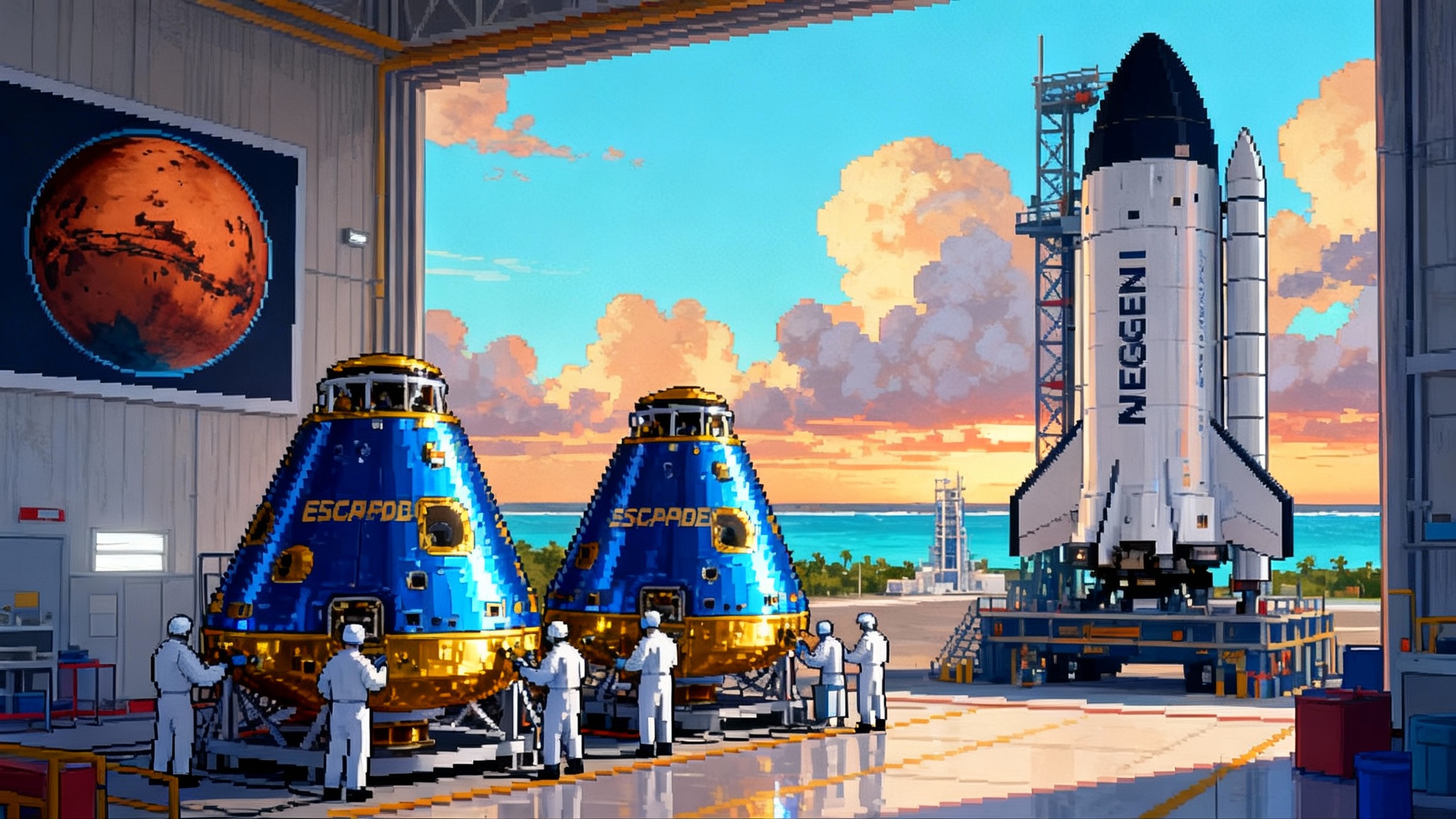
ESCAPADE on New Glenn rewrites the interplanetary playbook
NASA’s twin ESCAPADE probes are back at Astrotech in Florida for a fall launch on Blue Origin’s New Glenn. The mission will map Mars space weather to sharpen habitability science and reduce mission risk, while pointing to a faster, cheaper model for planetary exploration.
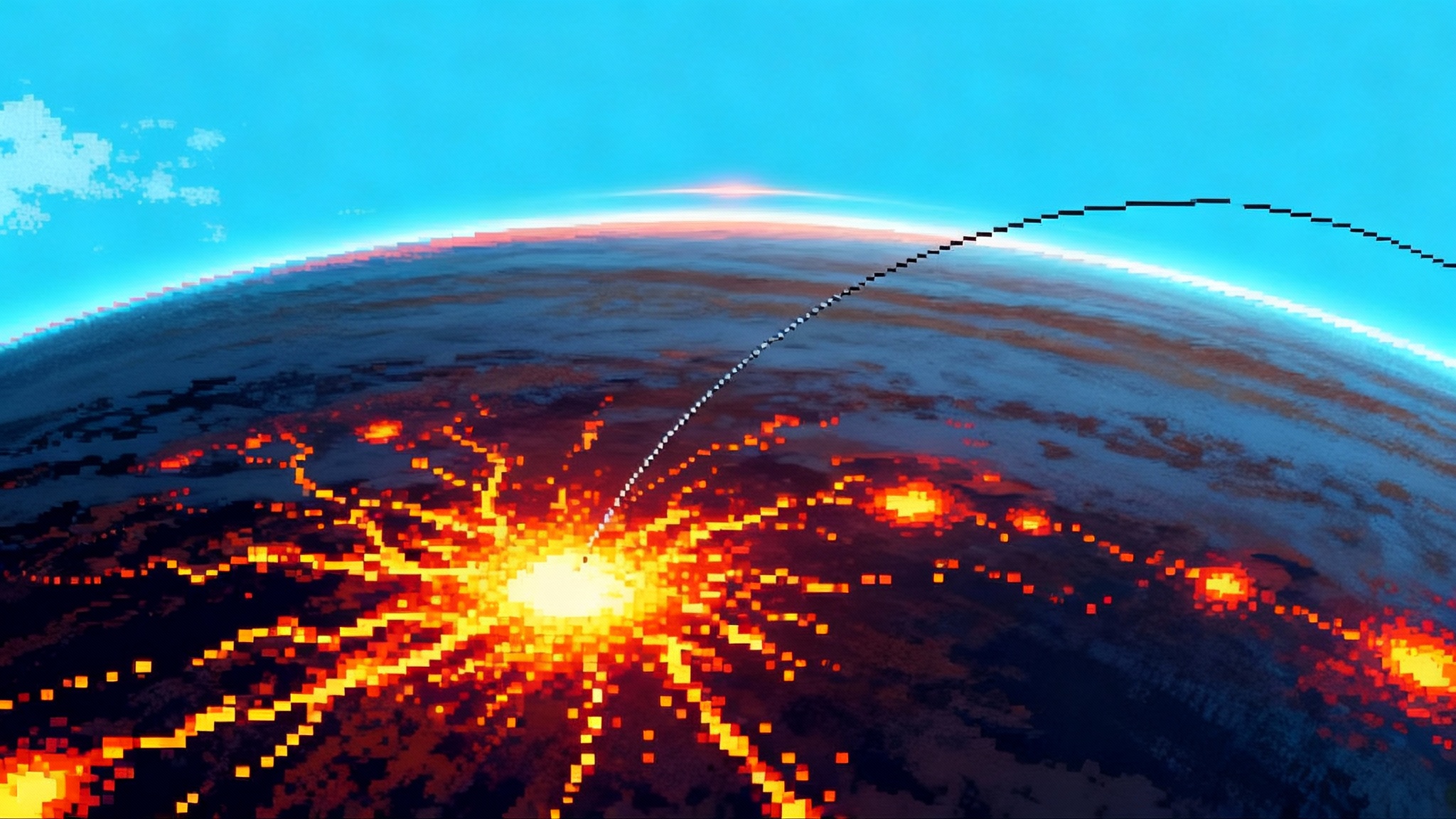
Inside Io’s Mega Hotspot: Juno’s 2025 Volcanic Shock
Juno captured the most powerful eruption ever seen on Io and a cluster of synchronized hotspots near the south pole. The 2025 dataset reshapes ideas about tidal heating, interior plumbing, mission risk, and how to read lava worlds.
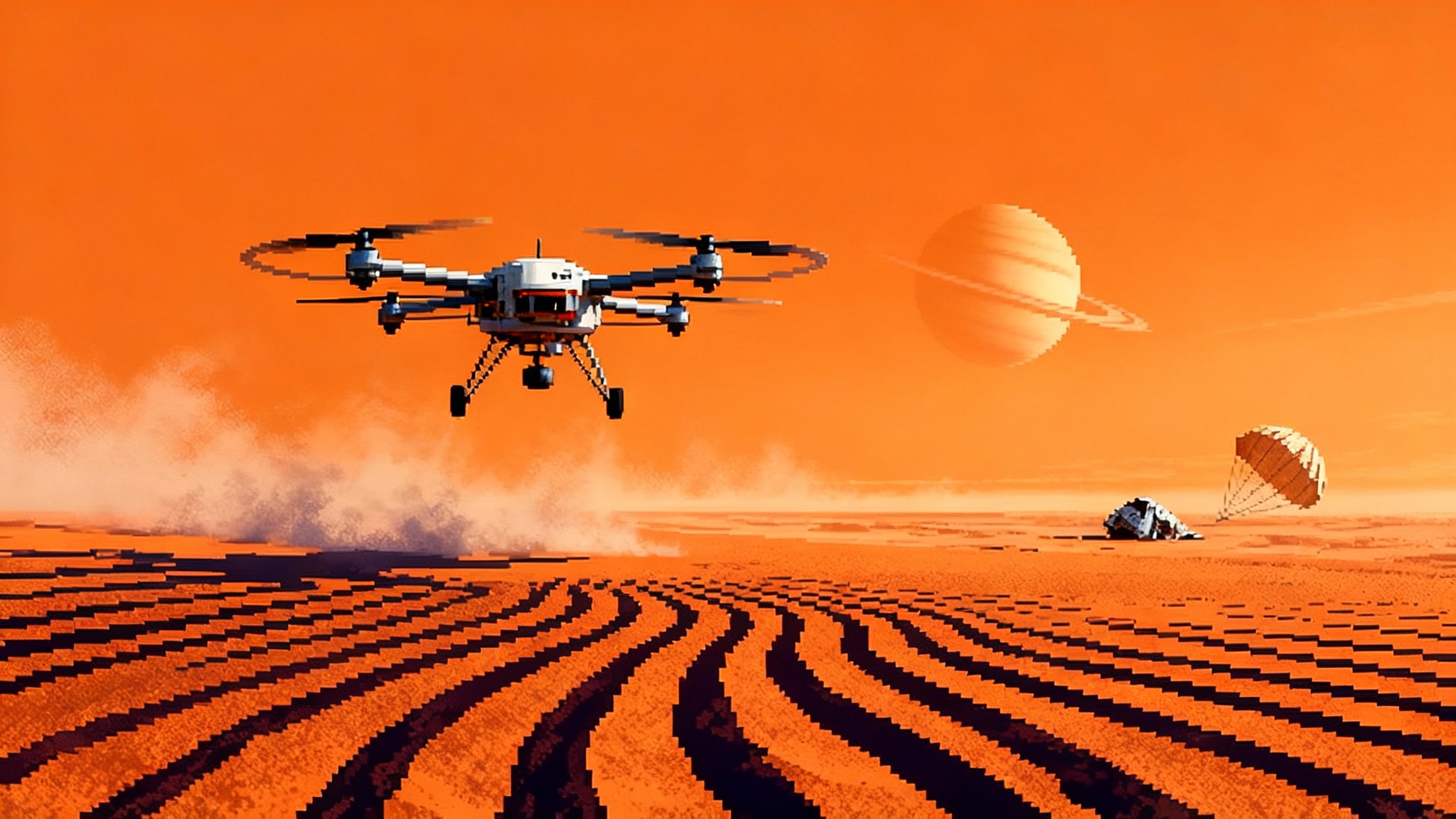
Dragonfly clears CDR, Titan drone moves from plan to build
NASA’s Dragonfly rotorcraft has cleared its Critical Design Review, moving from paper to parts on the path to Titan. Here is what CDR unlocks, why Titan favors flight, and what milestones to watch on the road to a planned 2028 launch.
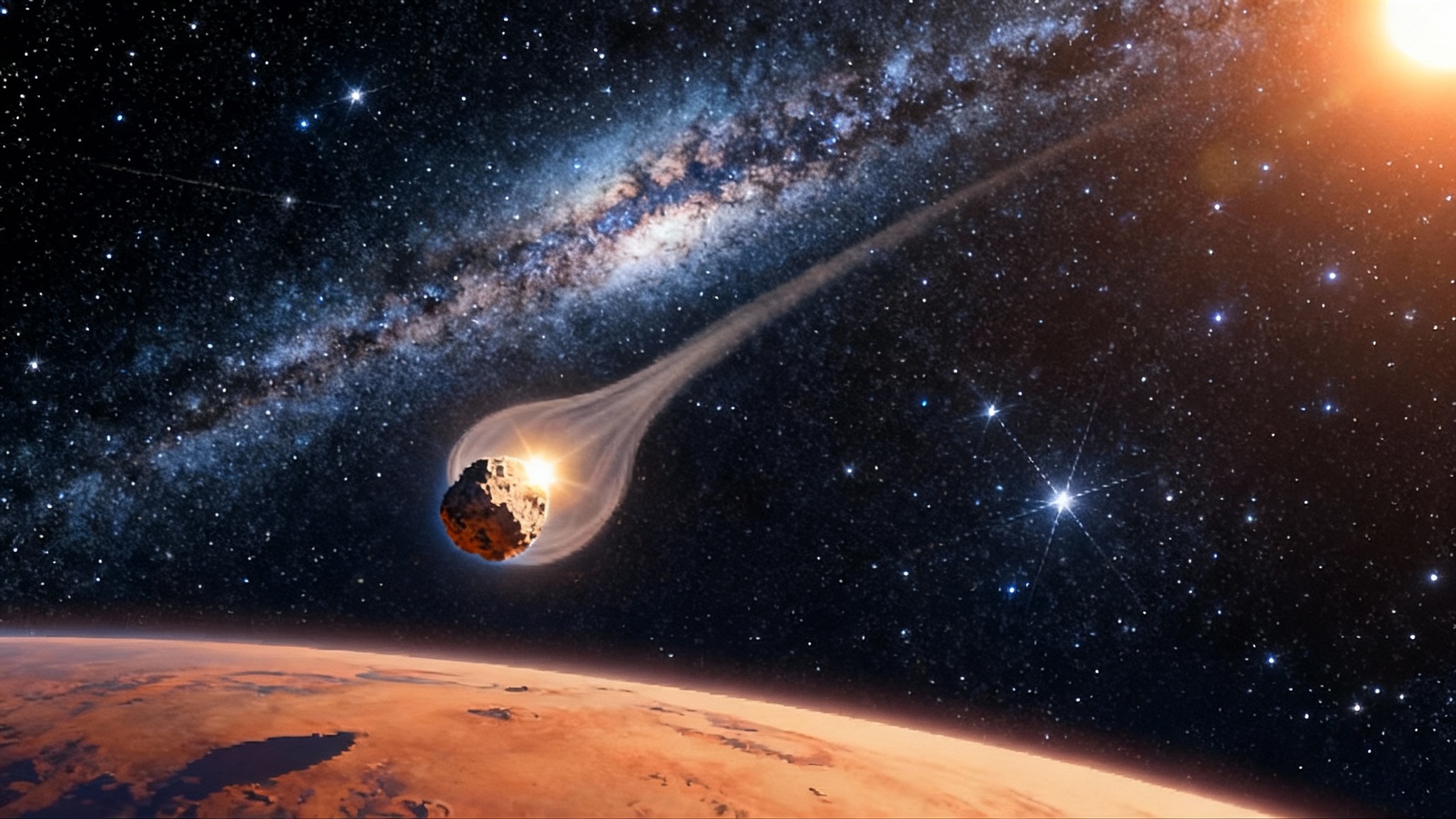
3I/ATLAS: Why This Interstellar Comet Matters Right Now
The third interstellar comet ever discovered is racing through the inner solar system in 2025. See what telescopes are finding, when to look, and how 3I/ATLAS could reshape theories of how planets form.
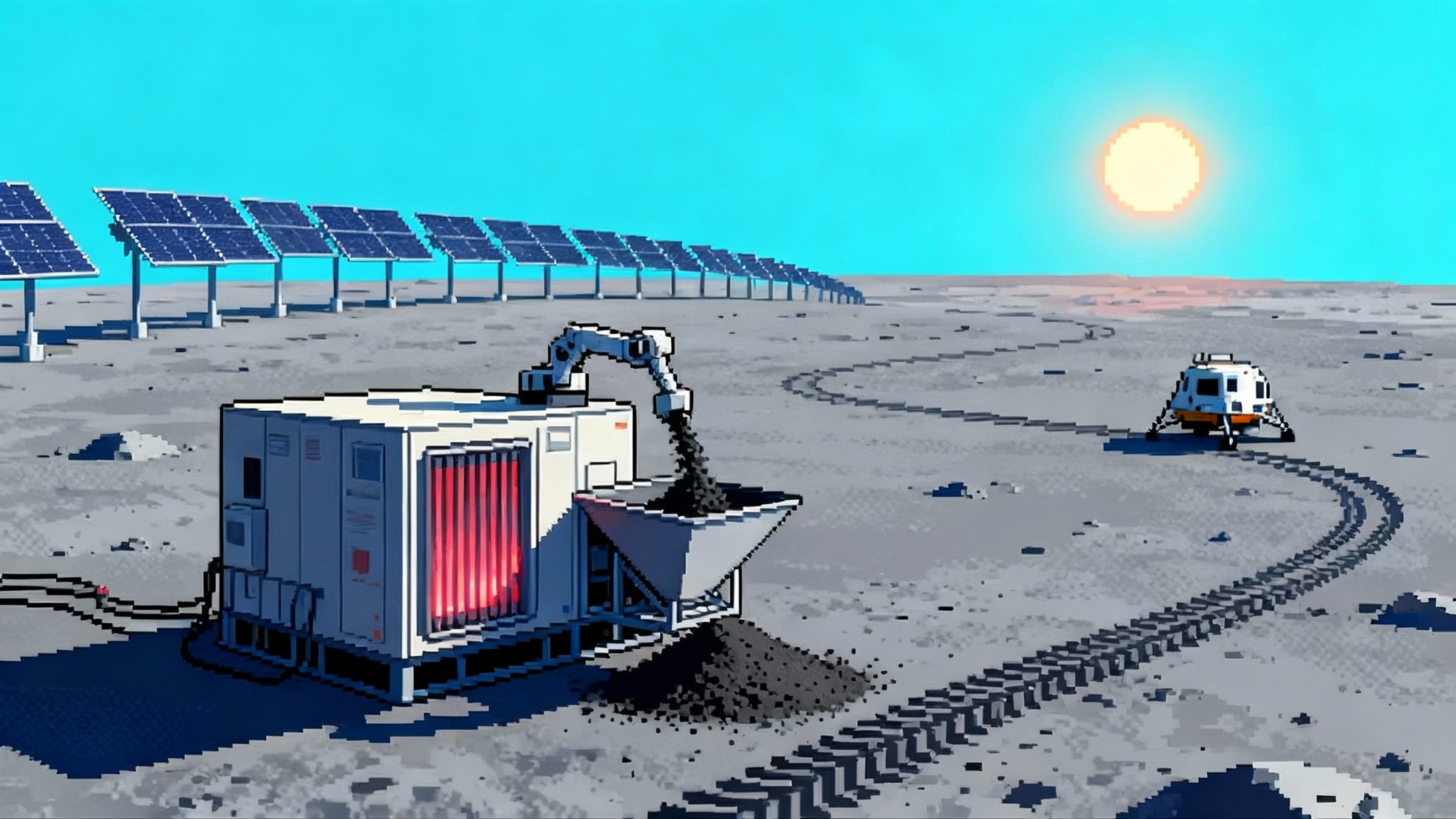
Blue Alchemist Clears CDR, Bringing Lunar Factories Near
Blue Origin’s Blue Alchemist has passed Critical Design Review, moving molten regolith electrolysis from pitch deck to practice. Here’s how a 2026 autonomous demo could unlock lunar oxygen, metals, and locally made solar power for Artemis.
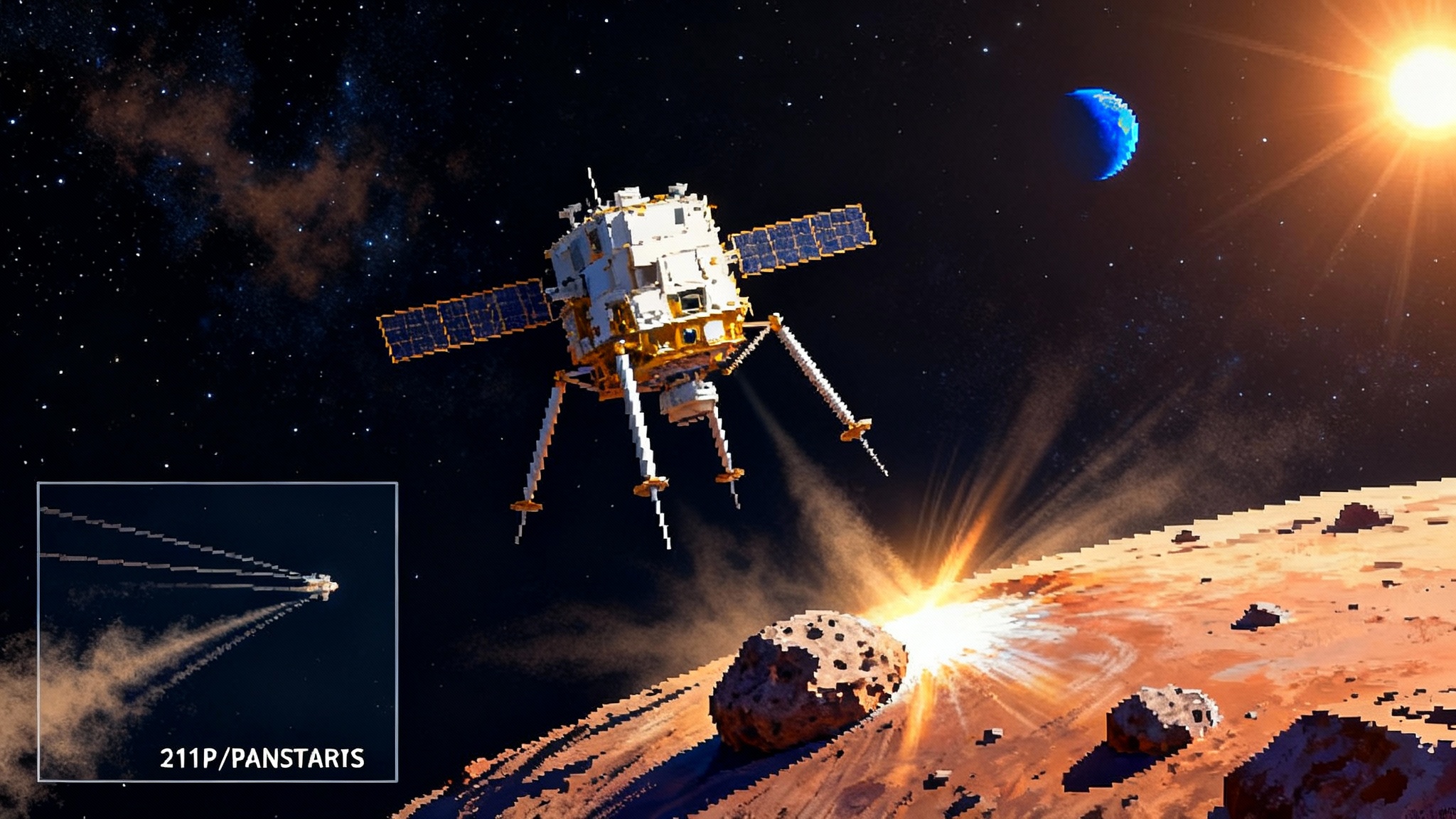
Tianwen-2’s two-stop quest: Kamoʻoalewa samples, 311P next
China’s Tianwen-2 is attempting a first-of-its-kind two-stop campaign: return samples from Earth’s quasi-moon Kamoʻoalewa by 2027, then pursue active asteroid 311P. Here is how its dual sampling methods, fast-rotator target, and decade-long plan could reset small-body exploration.
Euclid’s first data is rewriting the dark universe map
Euclid’s first public data release (Q1) is already surfacing hundreds of strong gravitational lenses and kickstarting fresh tests of dark matter and dark energy. Here’s how AI and citizen scientists turned sharp imaging into fast physics, and what to watch next.
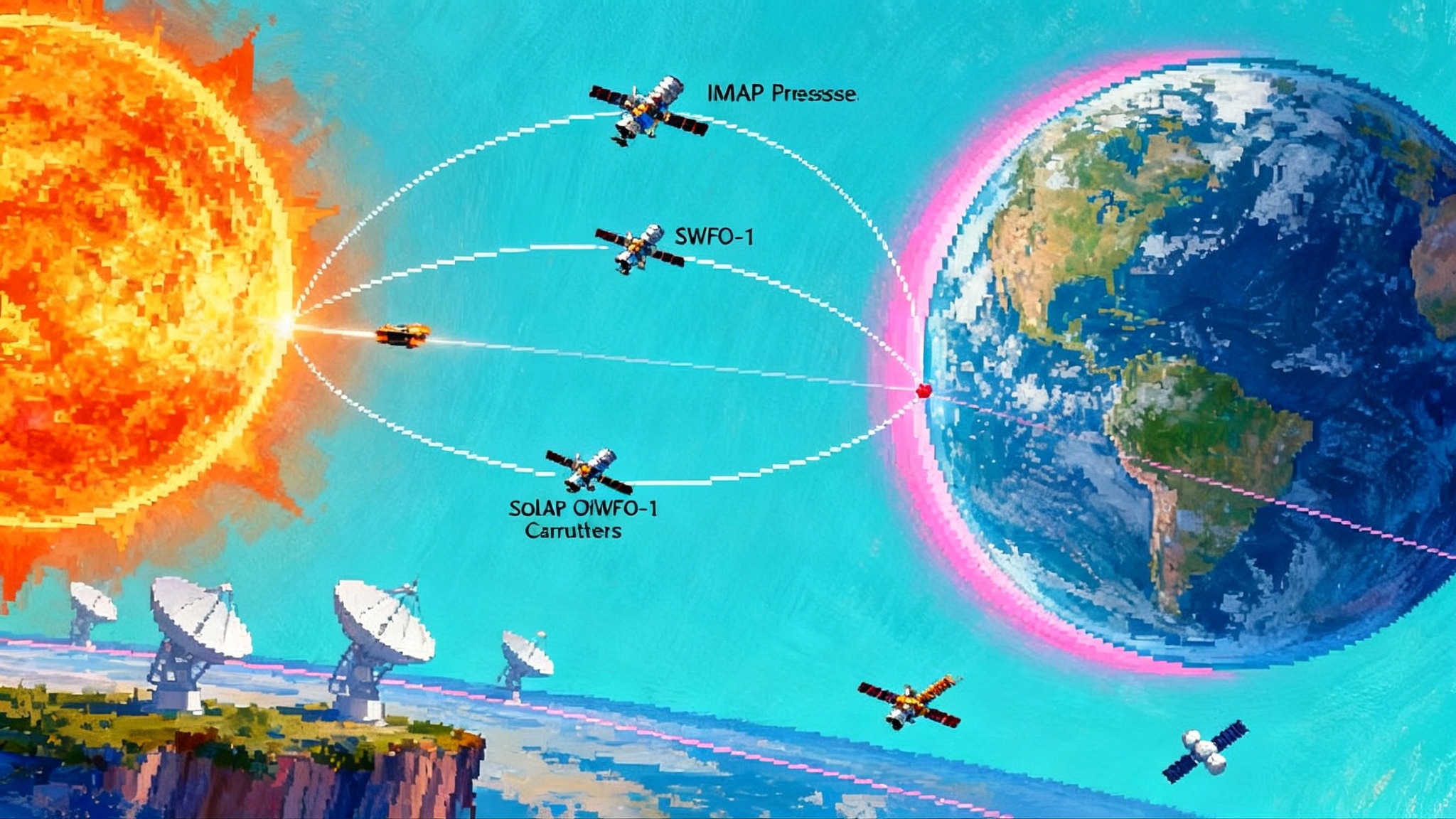
NASA and NOAA’s L1 Trio Will Transform Space Weather for Artemis
A single Falcon 9 just sent IMAP, SWFO-L1, and the Carruthers Geocorona Observatory toward the Sun-Earth L1 point. Here is how their data will sharpen radiation alerts, guide Artemis planning, and unlock fresh heliophysics.

JWST images Saturn-mass TWA 7 b and rewrites the playbook
On June 25, 2025, JWST’s MIRI coronagraph directly captured TWA 7 b inside its host star’s debris rings. It is Webb’s first new exoplanet found by imaging and the lightest world ever seen this way, a Saturn-mass detection that redraws the roadmap for hunting smaller planets.