MetaMask Seedless Wallets Go Mainstream with Smart Accounts
MetaMask’s 2025 overhaul adds smart accounts with gas abstraction, passkey recovery, and embedded wallets. With native Solana support, wallet UX 2.0 sets up Apple Pay-like checkouts, gasless flows, and real dapp commerce heading into 2026.

Wallet UX 2.0 is arriving
In 2025, MetaMask began shipping the pieces that long-time users have wanted and first-time users have needed. Smart accounts that hide gas pain. Passkey-backed recovery that makes seed phrases optional. Embedded wallets that let people sign in with familiar accounts instead of wrestling with private keys. The catalyst was clear when Consensys acquired Web3Auth in June 2025, bringing mature embedded wallet infrastructure into the MetaMask family. Just weeks earlier, MetaMask had flipped the switch on native Solana support in its browser extension, its first non-Ethereum Virtual Machine network. The pieces now fit: a single wallet that onboards like a regular app, runs across Ethereum and Solana, and can make payments feel as simple as tapping a button.
If last cycle’s wallets felt like learning to drive stick shift, this cycle’s wallets feel like hopping in a rideshare. You still get the destination and control, but the clutch is gone.
What actually changed under the hood
Smart accounts, explained simply
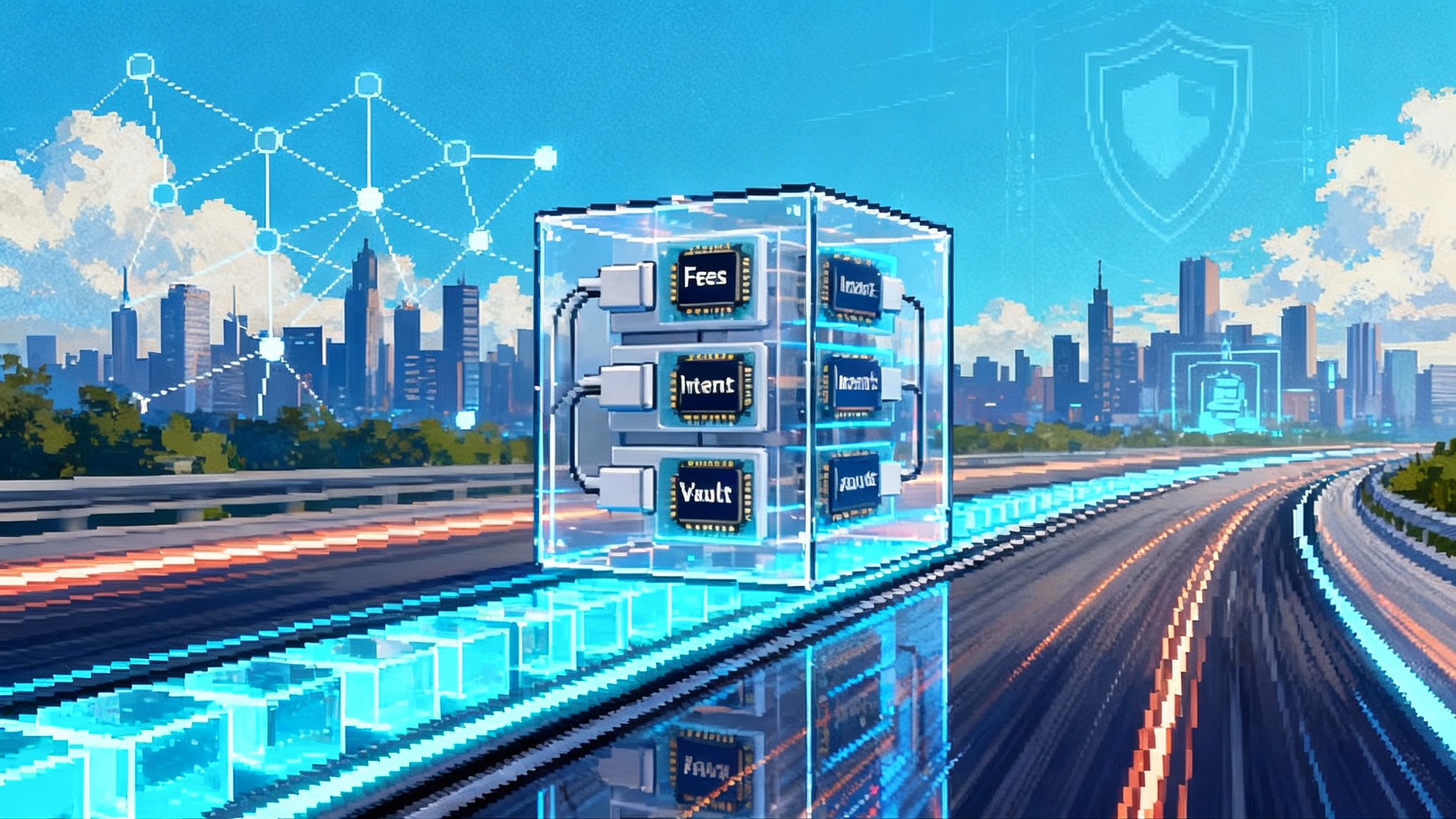
Traditional MetaMask accounts are externally owned accounts. They are governed directly by a private key and they sign every action. Smart accounts move control into a small on-chain program that can do extra work for you. Think of it as adding a helpful autopilot to your same wallet address. You still own it, but now your wallet can bundle steps, set spending limits, and accept sponsored gas.
Two user-visible wins stand out:
- Batched transactions: approving a token and swapping it can become one action, one confirmation. Less back-and-forth, fewer trips to the gas station.
- Gas abstraction: you can pay fees in a token you have on hand or have them sponsored by the app. That means no more abandoning a transaction because you ran out of the native token.
These are not hypothetical. MetaMask’s 2025 release of smart accounts put these features into the product, with gas abstraction and batching available in the extension. For readers who want the official details, see the MetaMask smart accounts update.
Passkeys as a backup brain
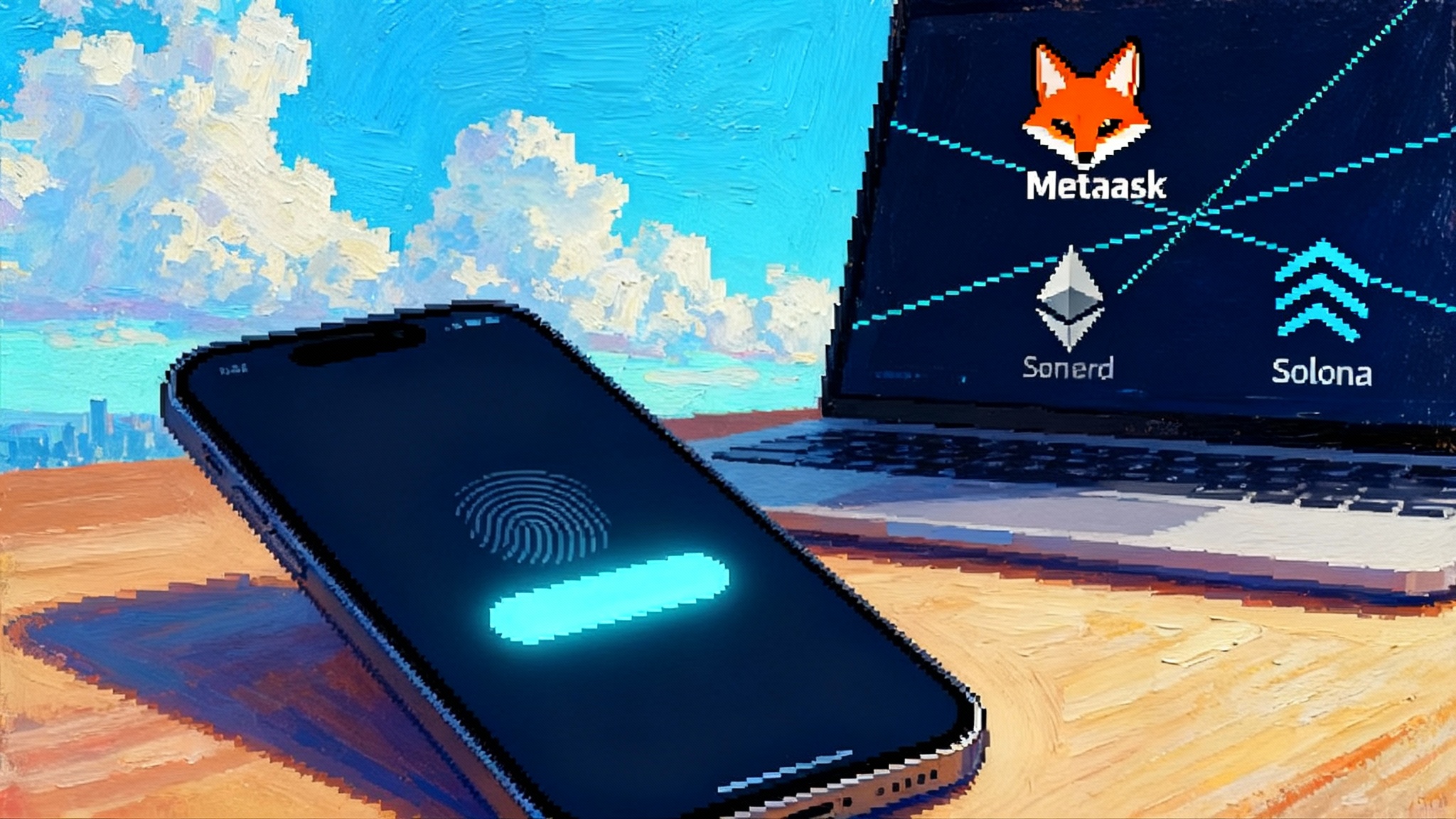
Seed phrases made everyone nervous because they are easy to misstore and hard to recover. Passkeys use the secure hardware on your devices to create a login credential that is phishing resistant and easy to approve with Face ID or a fingerprint. MetaMask smart accounts now support adding a passkey as a backup signer. In plain terms, you can set up a second, device-bound way to prove it is you, without writing down a 12 or 24 word secret.
For people who upgrade their existing wallet to a smart account, the original private key still works. The passkey becomes a second door you can open when you need to recover or sign on a new device. For people creating a fresh embedded wallet inside an app, the passkey can be the primary experience from day one. Either way, this replaces brittle recovery rituals with something your family already understands: unlock with your phone.
Embedded wallets, now inside the apps you use
With Web3Auth’s tech folded into MetaMask’s developer stack, a shopping app or a game can put a non-custodial wallet behind a familiar “Continue with Apple” or “Continue with Google” button. The app never sees your seed phrase. Instead, the embedded wallet software splits keys across secure components and binds recovery to factors you control, like your device and email. From a user’s point of view, you sign in as usual and you can buy, sell, or play with no detour into wallet setup. We are seeing parallel on-ramp moves as the TON wallet begins U.S. rollout.
For developers, the embedded wallet software development kits integrate like any other login library. They also return a standard provider so you can call blockchain functions with the same code you already use. This is important because it turns wallet creation from a prerequisite into a background step. You can start a checkout or a quest and the wallet quietly appears when it is needed.
Why Solana support matters even if you live on Ethereum
MetaMask’s identity has always been tied to Ethereum and its family of compatible networks. Adding native Solana support in May 2025 changed the shape of the wallet. It turned MetaMask into a true multichain front door. Today, a developer can build a game that taps Solana’s speed and fees while still offering a recognizable MetaMask login. A marketplace can let a seller list items priced in ether and a buyer pay in sol, and the app can abstract the differences.
Solana and Ethereum handle fees differently, but the end result can feel the same. On Ethereum, smart accounts and paymasters can sponsor gas. On Solana, a fee payer can sponsor your transaction. In both cases the app can choose to cover the cost or convert fees behind the scenes, and your approval looks like one clean confirmation. As base costs fall when L2 fees fall with PeerDAS, the wallet can hide more complexity for mainstream users.
The new checkout pattern: Apple Pay-like for dapps
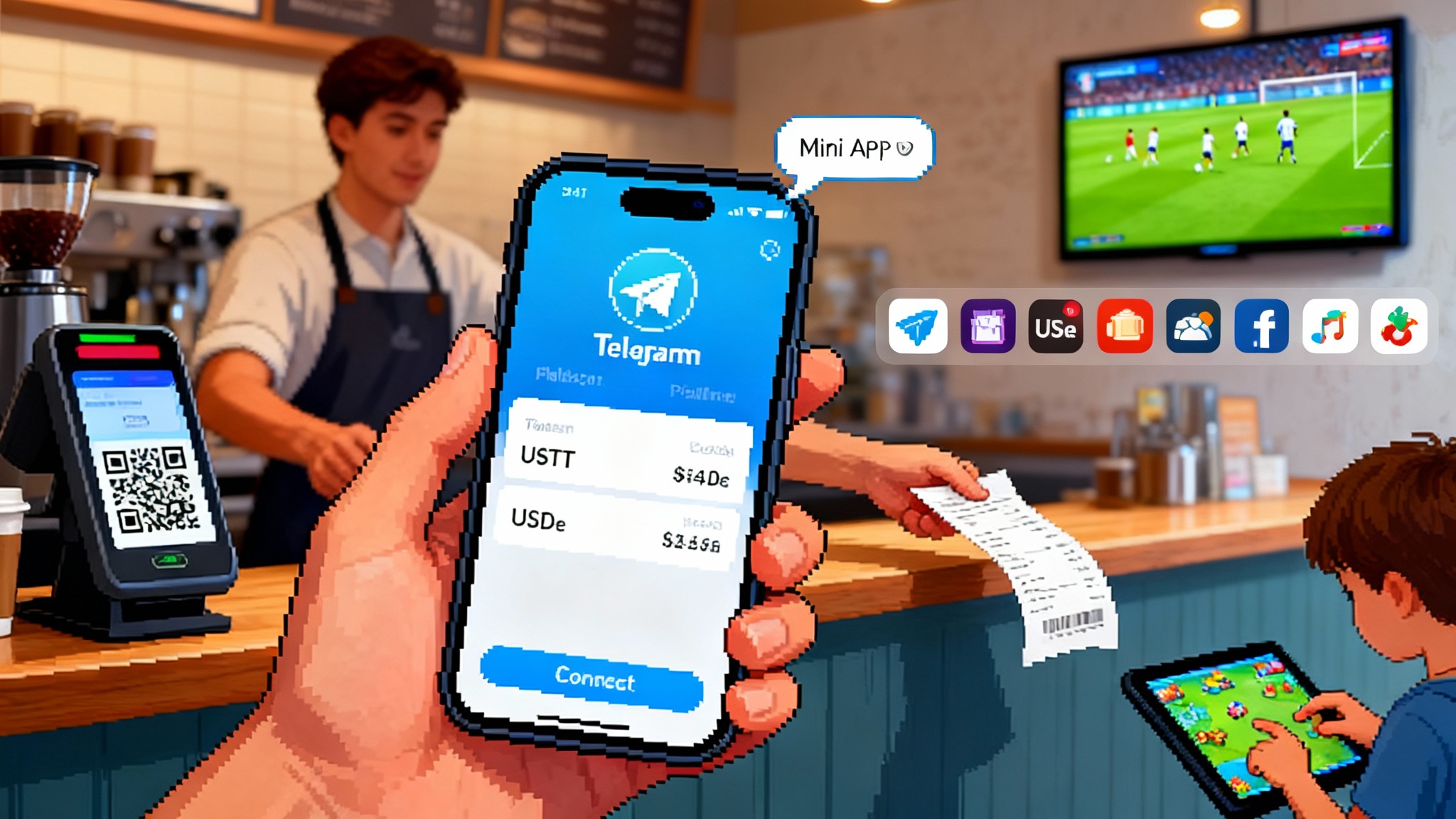
Imagine you are in a mobile game. You tap “Buy Sword.” A sheet appears with your price and a single confirm button. Your phone asks for Face ID. You approve. The sword appears in your inventory.
What happened behind that clean moment:
- The app called your embedded wallet. If you were new, it created a wallet bound to your device and account at the moment of purchase.
- Because your MetaMask smart account supports gas abstraction, the game chose to sponsor fees for first-time buyers. You did not need to hold the network’s native token to finish.
- The wallet batched the approval to let the game contract transfer a specific token and the actual purchase into one transaction. That is one signature, not two.
- Your passkey acted as the backup signer. If your old device was lost, you could recover on a new one by logging in and adding a new device passkey.
- If the game runs on Solana, a fee payer covered the fees. If it runs on Ethereum or another compatible chain, a paymaster did the job. You only saw a simple confirmation.
Replace the game with a ticketing site, a subscription news app, or a cross-border storefront that accepts stablecoins and you get the same flow. As policy evolves around stable-value payments, expect momentum from the stablecoin race to 2026. Fewer steps. Fewer chances to fail. Nothing to learn.
What this unlocks in 2026
- Gasless trials become common. Apps sponsor the first few transactions to remove the cold-start problem, just as many services offer free trials. Because smart accounts allow fine-grained permissions, that sponsorship can be capped to small amounts and revoked automatically.
- One-tap subscriptions arrive. A news or music app can ask you to approve a recurring payment with strict limits. The wallet enforces the schedule the same way your calendar does reminders.
- Checkout converts. When users do not need to pre-fund a wallet with a specific gas token, drop-off falls. Expect on-chain stores to hit conversion rates closer to mainstream credit card flows.
- Game onboarding collapses. Players who used to bounce at “create a wallet” can start playing, minting, or trading with the login they already have. The wallet forms later, invisibly.
- Multichain shopping gets boring, in a good way. A user can pay with whatever token they hold on the network the app chooses. The wallet handles the translation.
The key shift is not a single feature. It is the pattern of many small frictions disappearing at once. Just as contactless payments and saved cards quietly changed how we shop, passkeys, gas abstraction, and embedded wallets together change how dapps sell.
What builders should do now
- Default to embedded wallets for first-time users. Keep non-custodial control, but meet people with sign-in methods they already trust. Offer an advanced path for existing wallet users.
- Turn on smart accounts and batched transactions for common flows. Wherever your app asks for an approve then a swap or a mint then a list, collapse the steps.
- Sponsor gas where it matters most. Cover the first purchase or the first week of activity. Tie sponsorship to clear limits so it is safe for you and predictable for users.
- Offer passkeys on day one. Make it the simplest way to recover. Allow a second factor like an email code if your audience needs extra reassurance.
- Show a true receipt. After each action, display what happened on-chain in plain language and provide a transaction reference. People trust what they can see.
What to watch from MetaMask next
- Mobile parity for non-EVM networks. As Solana support matured first in the extension, full mobile symmetry will finish the picture for everyday users.
- Richer session permissions. Expect more granular controls that let a game or app run multiple actions for a period without asking you every time, while still keeping strict caps.
- Merchant tools. Embedded wallets plus smart accounts will push wallet-native refund flows, dispute resolution, and order tracking. The line between wallet and checkout will blur.
Risks you should plan for
- Device loss and account recovery. Passkeys help, but teams should offer layered recovery options. A second device, a hardware key, or a human support path for high balances are all worth providing.
- Over-permissioned sessions. Convenience can creep. Set conservative defaults. Expire permissions quickly for new users and show a clear way to revoke them.
- Vendor lock-in. Embedded wallets are easier than rolling your own, but keep to open standards. Ensure you can export keys and migrate providers if your needs change.
- Multichain confusion. Hide it. Route users to the right network automatically and avoid presenting technical choices unless someone wants them.
The takeaway
In 2025, MetaMask stopped treating usability as a layer on top of crypto and started baking it into the wallet itself. Smart accounts turn awkward multi-step flows into one clean confirmation. Passkeys replace fragile seed phrases with something most people already use to unlock their phones. Embedded wallets allow anyone to start transacting inside the app they are already using. With Solana now in the mix, these upgrades do not just improve Ethereum life; they make multichain commerce feel like a normal checkout.
If you squint, you can already see the 2026 dapp economy. You tap to buy. You glance to approve. The wallet does the hard parts for you. Not because self-custody got watered down, but because the interface finally learned to carry the load.