Inside America’s 2025 HALEU sprint to a Russian-free fuel chain
In 2025 the U.S. moved from talking about HALEU to shipping it. New DOE allocations, contract extensions, and private deals are stitching together enrichment, conversion, deconversion, and fabrication on an aggressive 2025-2027 clock.

The year the fuel line started to hum
For a decade, America’s plan to power advanced reactors with high-assay low-enriched uranium, or HALEU, has been a blueprint without a conveyor belt. That changed in 2025. In April, the Department of Energy made its first conditional allocations of government-owned HALEU to five developers, with some deliveries slated as soon as the fall. The move pulled HALEU from a policy wish list into an industrial to-do list, with specific cores, schedules, and shipping forms attached. It also signaled a pivot away from Russian supply, which had been the only practical source for most Western projects. See the Department’s announcement for the initial awardees and timeline details in DOE’s first HALEU allocations.
Think of HALEU like the aviation fuel of advanced fission: it is the higher-octane version of standard nuclear fuel, enriched not to roughly 5 percent but up to just under 20 percent uranium-235. That extra “octane” lets small and microreactors run hot, compact, and long between refuelings. Until this year, though, the United States had only a trickle of domestic production and a patchwork of downstream steps. In 2025, the trickle became a stream and the patchwork started to look like a stitched seam.
The map: from yellowcake to fuel in four steps
The HALEU supply chain has four major links. Each one now has a named lead, a schedule, and a bottleneck to fix.
- Conversion: turning mined uranium oxide into a gas called uranium hexafluoride, the feed for enrichment. In the United States that job flows through ConverDyn’s Metropolis Works in Illinois, which restarted in 2023 and is coordinating with enrichment players to support both today’s fleet and tomorrow’s HALEU runs.
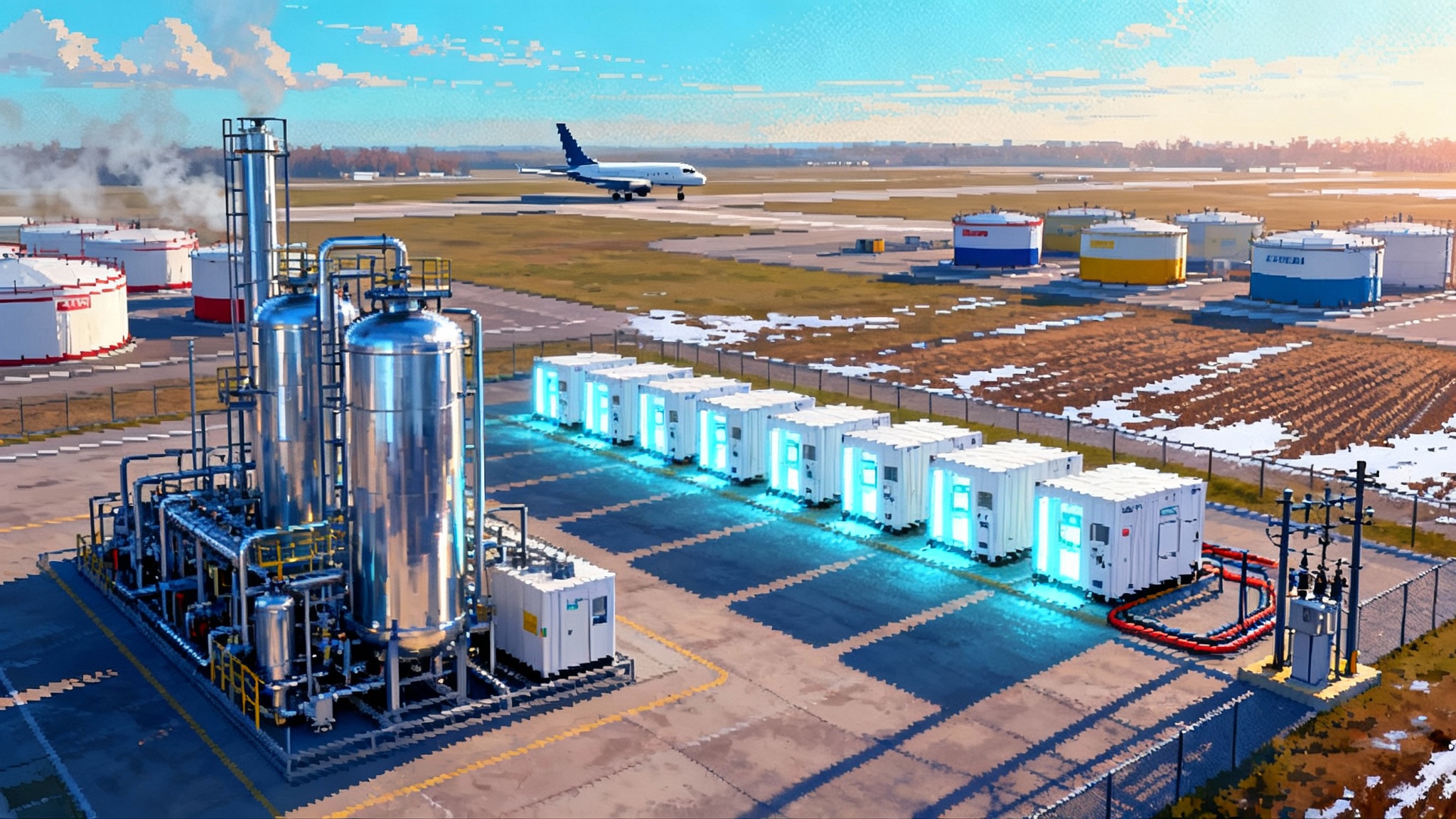
- Enrichment: boosting the share of uranium-235 to the HALEU range. The domestic lead is Centrus Energy’s cascade in Piketon, Ohio; Urenco USA is expanding capacity in New Mexico and pursuing steps toward higher enrichments; Orano has mapped a new enrichment complex in Oak Ridge, Tennessee.
- Deconversion and metallization: transforming enriched gas back into powder or metal, depending on the fuel design. DOE has placed umbrella contracts with six companies, including Orano, Framatome, BWX Technologies, Westinghouse, GE Vernova, and Centrus, to stand up U.S. deconversion and related steps.
- Fabrication: shaping that powder or metal into finished fuel. TRISO-X in Oak Ridge, BWX Technologies in Ohio and Virginia, Westinghouse for eVinci microreactor fuel, and others are building the first domestic lines sized for advanced fuels.
Below, we zoom into each link and call out the numbers and dates that matter for 2026-2030.
Enrichment: the new core of the system
Centrus completed its first full production year with 900 kilograms of HALEU in uranium hexafluoride form and, in June, won a one-year extension valued at roughly 110 million dollars to continue at that annual rate through June 30, 2026. The contract includes additional options at the government’s discretion. The extension matters for two reasons. First, it locks in a concrete domestic baseline, small but real, that advanced reactor projects can plan around. Second, it buys time for parallel capacity to come online. For specifics on the extension and production milestone, see Centrus’ 2025 contract extension.
Urenco USA, the only current supplier of low-enriched uranium operating on U.S. soil, is expanding its Eunice, New Mexico plant and has begun signing HALEU enrichment agreements to support microreactors. Those commercial deals, along with Urenco’s ongoing licensing work for higher enrichments, are important hedges for early deployments that cannot wait for large greenfield projects.
Orano, meanwhile, advanced plans for Project IKE in Oak Ridge, an American enrichment campus designed to produce low-enriched uranium, low-enriched uranium plus, and eventually HALEU using proven centrifuge technology. It is a multi-year build, but the point is strategic redundancy: one domestic HALEU cascade is a pilot; two or three create a market.
Near-term tonnage to watch
- 2025 actuals: approximately 0.9 metric ton of HALEU UF6 from Centrus, now delivered to DOE ownership for allocation and downstream processing.
- 2026 baseline: another 0.9 metric ton if DOE keeps the Option 1a production rate through June 30, with a decision window to extend through 2028.
- 2026-2027 upside: early Urenco and Orano task orders under DOE’s umbrella awards could add first hundreds of kilograms as new cascades and upgrades clear licensing.
Conversion and deconversion: getting the chemistry right
The chemistry that makes HALEU usable looks simple on paper and fussy in practice. Enrichers output HALEU as uranium hexafluoride gas in cylinders. Fuel makers need oxide powder for ceramic pellets or kernels, and some designs need uranium metal. Turning gas into powder or metal is called deconversion and metallization.
In late 2024 and through 2025, DOE awarded deconversion and related task-order contracts to six companies. That roster matters because it spreads the work across specialists with different strengths. Orano’s U.S. team is leveraging decades running conversion and deconversion plants. Framatome, backed by investments with TerraPower, is standing up a metallization pilot that turns oxide into the metal needed for fast reactors. BWX Technologies has unique glovebox, quality, and Category II security experience from defense work. Westinghouse and GE Vernova have built fuel chemistries and fabrication lines for decades. Centrus adds the ability to integrate deconversion with enrichment operations at its Ohio site.
The other half of this step is upstream conversion. ConverDyn’s Metropolis Works, the country’s only uranium conversion plant, provides the UF6 feedstock that enrichers need. For HALEU, that conversion scheduling must line up with enrichment outages and cylinder availability. In 2025, utilities and advanced reactor developers began placing coordinated orders so that UF6 is available when HALEU cascades are ready to run.
Fabrication: where the metal meets the reactor
Fabrication turns chemistry into hardware. Two threads dominated 2025.
- TRISO fuel. TRISO fuel is a ceramic kernel of HALEU wrapped in multiple protective coatings and either packed into pebbles or compacts. X-energy’s TRISO-X is finishing the building shell of its first U.S. Nuclear Regulatory Commission Category II fabrication plant in Oak Ridge, with the safety review now scheduled to complete by late May 2026. The company’s first line, TX-1, is designed to produce roughly 5 metric tons of uranium in TRISO form per year once commissioned, enough for a fleet of high temperature reactors. BWX Technologies, which has been making TRISO for defense and research programs, is already shipping fuel for the Department of Defense’s Pele microreactor and has aligned with Kairos Power to scale commercial TRISO for pebble-bed designs.
- Metal fuel. TerraPower’s Natrium reactor uses HALEU metal fuel. In 2025, the company and Framatome advanced a pilot metallization line in Washington state designed to deconvert HALEU oxide into metal and qualify the steps needed for first-of-a-kind fuel assemblies later this decade.
Westinghouse’s eVinci microreactor program added a commercial enrichment agreement and is integrating deconversion and fabrication work to produce its initial cores. Radiant Industries, another microreactor developer, secured a Western HALEU enrichment deal to underpin its first deployments.
Logistics: cylinders, packages, and paperwork
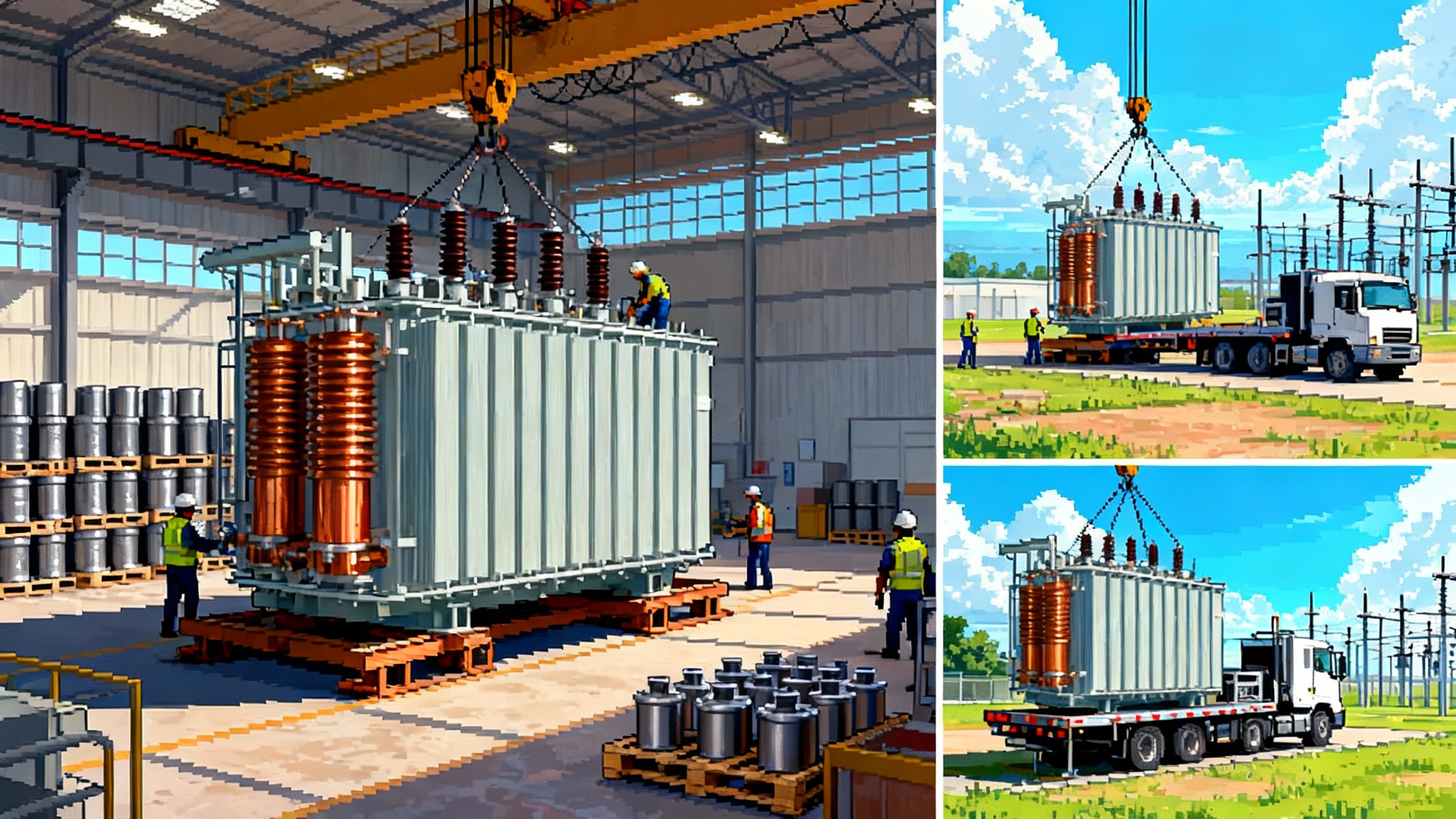
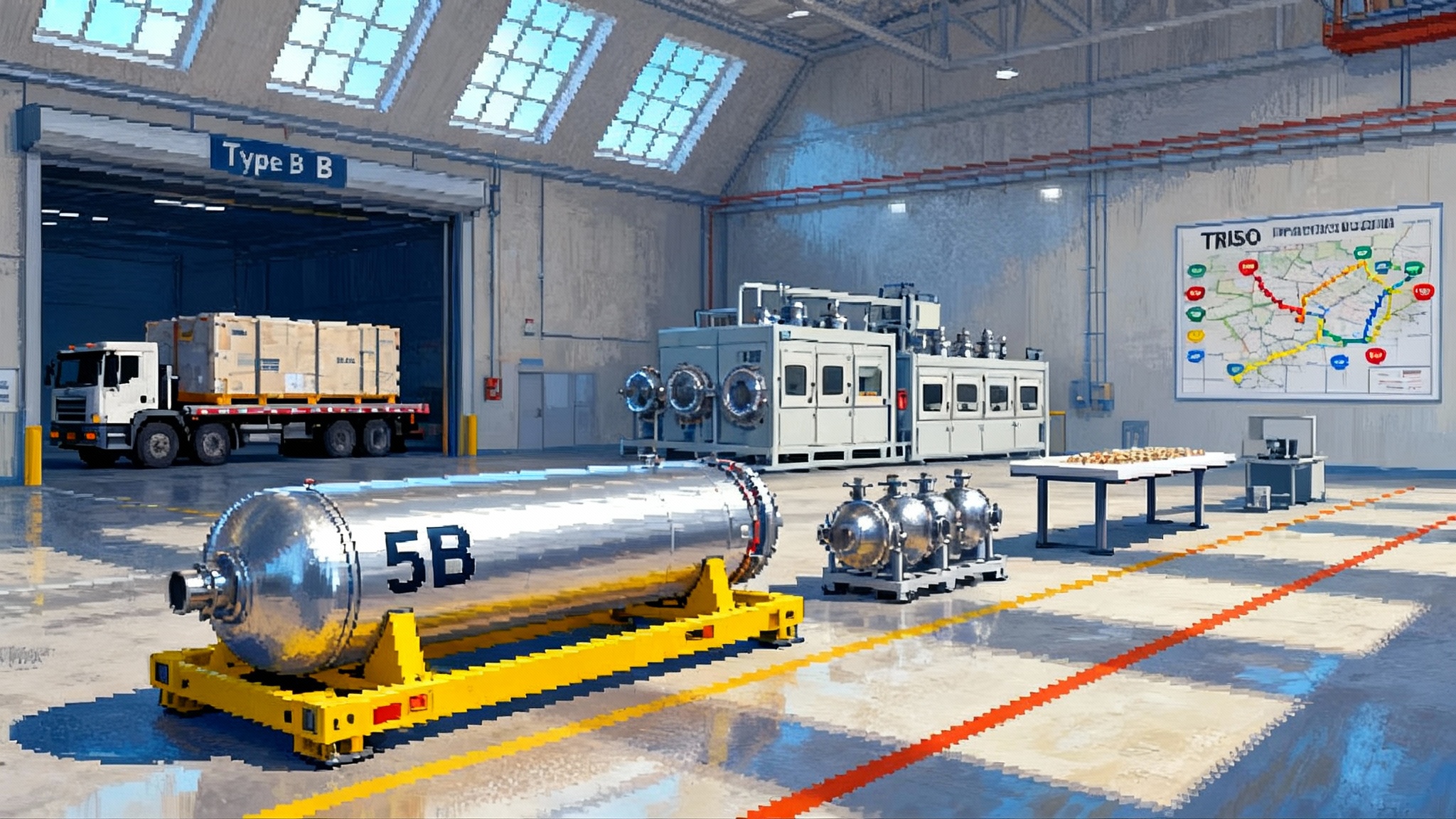
If enrichment is the engine, logistics are the tires. In 2024-2025, the industry ran into a very specific tire shortage: 5B cylinders. These steel vessels are used to collect and store HALEU in gas form. A shortage of compliant cylinders, and the slow pace of recertifying older ones, temporarily throttled deliveries. DOE responded by extending production deadlines, procuring additional 5B hardware, and authorizing contractors to source compliant units. That fix is working, but capacity remains tight, so orders for cylinders and valves should be placed months before cascades spin. These logistics bottlenecks rhyme with the 2025 transformer crunch bottlenecks grid that is slowing other parts of the energy supply chain.
Transport packages are the other gating item. HALEU cannot ride in the same containers used for conventional fuel without limits that kill economics. In 2025, shippers leaned on a growing toolkit: NAC International’s OPTIMUS-L for TRISO contents, Orano’s DN30-X system for enriched UF6 up to 19.75 percent, and additional Type B packages for oxide powders and fabricated pebbles or compacts. DOE also set aside funding to help certify more HALEU-suitable packages. The playbook for 2026 is clear: reserve packages early, align route approvals with state agencies, and pair shipments with trained escorts and secure storage to avoid dwell-time bottlenecks.
Licensing is not pro forma. New enrichment, deconversion, and fabrication steps for HALEU fall under the Nuclear Regulatory Commission’s fuel cycle facility regime. TRISO-X’s updated review schedule and Global Laser Enrichment’s Paducah application acceptance showed the system moving, but approvals still hinge on complete safety cases and Category II security plans. The winners are companies that design for maintainability and material accountability from day one and that sequence their environmental, security, and safeguards submissions to minimize staff resubmittals.
The 2025-2027 scoreboard
Here is what actually moved numbers this year and what it implies for the near term.
- First allocations, first deliveries. DOE’s 2025 allocations to five developers created the initial demand signal for the new fuel line. Those allocations prioritize advanced reactor demonstrations and microreactors likely to load first cores between late 2025 and 2027.
- Domestic enrichment, measured in kilograms. Centrus produced 900 kilograms in 2025 and is funded through mid-2026 for another 900 kilograms. Decisions in 2026 on the next option period will set the 2027-2028 baseline. Urenco’s and Orano’s work adds another path to first hundreds of kilograms as their steps clear licensing.
- Fabrication capacity with dates. TRISO-X is on track for an NRC decision in spring 2026 and building completion of its first facility shell in 2026, with mechanical completion and fuel line commissioning targeted after regulatory approval. BWX continues defense and research fuel deliveries in parallel, giving the civilian market a trained workforce and qualified equipment base.
- Deconversion lines funded. DOE’s multi-company awards have seeded the equipment buys for oxide and metal forms. Expect pilot runs in 2026 and first commercial lots in 2027, paced by equipment lead times and security upgrades.
- Logistics unclogging. Cylinder procurement has caught up enough to support continuous operation at current scales, with new manufacturing runs due through 2026. More transport packages are entering service, and route approvals are now routine rather than bespoke for many movements.
Quantifying near-term tonnes and firsts
- 2025: about 0.9 t HALEU UF6 produced domestically, initial allocated material begins moving to fabricators for test articles and core hardware.
- 2026: approximately 0.9 t more from Centrus if the current option holds, plus first deconversion task orders translating prior kilograms into oxide and metal. Expect first-of-a-kind fuel deliveries for microreactor and non-power test cores, measured in tens to a few hundred kilograms per project.
- 2027: TRISO fabrication capacity begins to register in metric tons per year once TX-1 is commissioned. Parallel deconversion skids and additional enrichment advances support the first reload planning rather than only first cores.
What this unlocks for 2026-2030 buyers
Advanced reactors will not hit utility balance sheets as one monolithic decision. They will arrive as a sequence of small, bankable purchases tied to siting, data centers, and industrial heat. That demand is accelerating as AI’s gigawatt appetite reshapes markets.
- Bankable fuel plans. A utility or data center can now write a contract that links enrichment, deconversion, and fabrication milestones to delivery of a specific core in a specific quarter. That was not possible when HALEU was hypothetical. The practical action: structure fuel offtake agreements with milestone-based payments and embedded cylinder and transport reservations.
- LEU plus to HALEU glide paths. Several reactor designs can start on slightly higher assay fuel in the 6 to 10 percent range and convert to HALEU later. That creates a bridge that Urenco USA and Orano can supply while HALEU capacity scales. The practical action: specify dual-qualified cores and approve procurement of both LEU plus and HALEU packages in the same supply contract.
- Portfolio sourcing. With DOE allocations covering first cores for a handful of projects and commercial contracts emerging for others, buyers can reduce supply risk by splitting enrichment and fabrication across more than one vendor. The practical action: run competitive task orders under DOE’s umbrella awards for deconversion and pair them with commercial enrichment contracts.
Where investors, states, and suppliers can move fastest next
-
Investors
- Cylinder manufacturing and refurbishment. The market for 5B and 30B-X class cylinders and compliant valves is tight. A modest capital program can expand a machine shop with code-qualified welding and nondestructive examination to produce and recertify units. Anchor with three-year volume contracts from enrichers and DOE.
- Deconversion skids and metallization equipment. Skid-mounted fluoride handling, rotary kilns, and glovebox systems sized for Category II facilities are backordered. Finance working capital for second-source suppliers with NQA-1 quality systems and proven radiological controls.
- Transport package fleets. Lease pools for DN30-X, OPTIMUS-L, and similar packages are thin. Buying a dozen additional packages and operating them as a shared service will cut schedule risk for multiple customers.
-
States
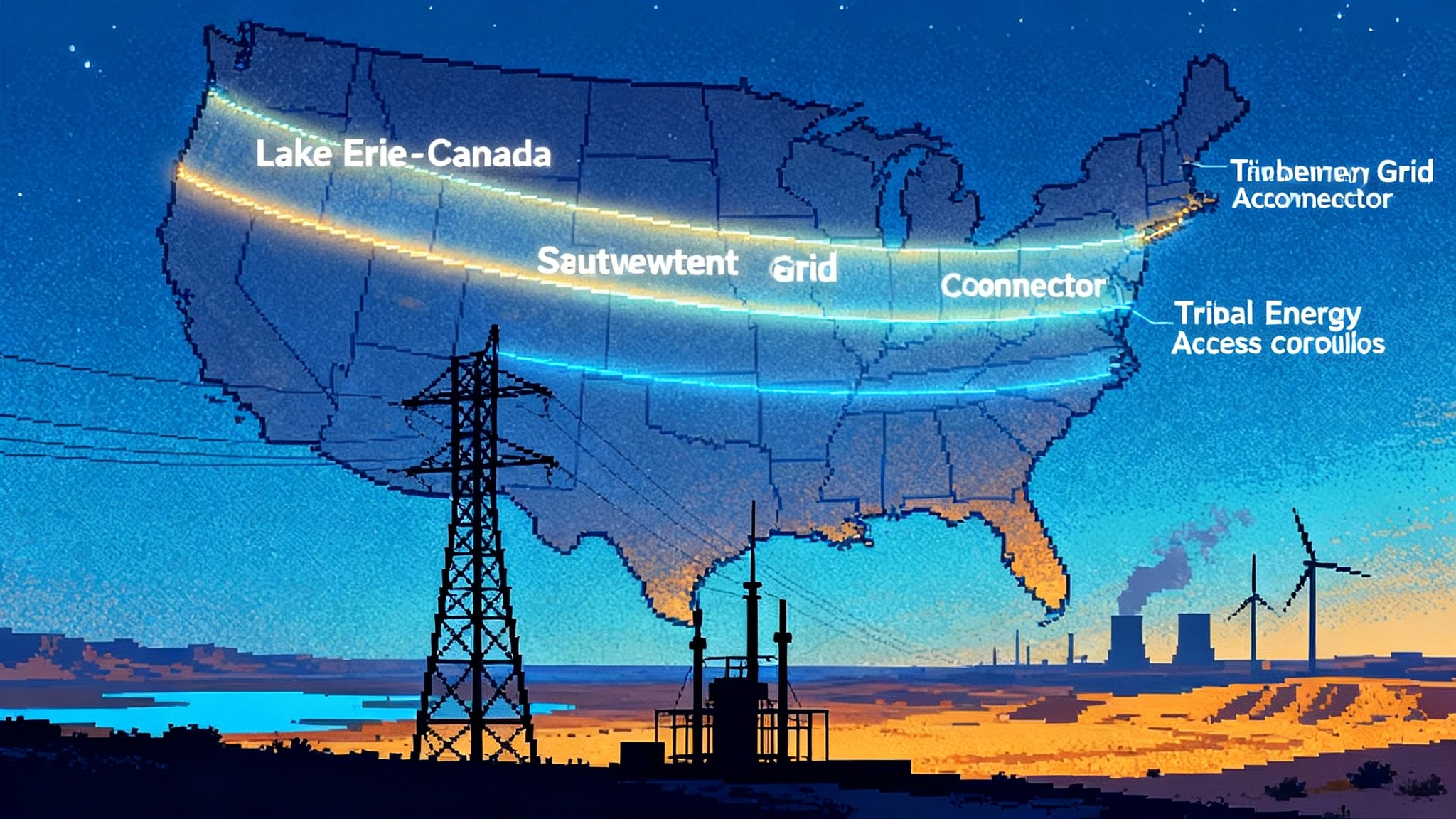
- One-stop corridors. Coordinate state police, emergency management, and Department of Transportation to pre-approve HALEU routes and escorts, cutting weeks from each shipment plan. Align this with the 2026 transmission pivot and FERC 1920 so nuclear shipments and grid buildouts can move in concert.
- Industrial sites with security zoning. Set aside pads inside existing nuclear or federal reservations where Category II fuel cycle work can co-locate. Provide grants for perimeter upgrades, access control, and cyber hardening that vendors can plug into rather than build from scratch.
- Workforce clearances. Fund cohorts for background investigations and radiological worker training tied to named employers. The lag from offer to cleared employee is a hidden bottleneck that states can shrink.
-
Suppliers
- Qualify to NQA-1 and 10 CFR 21. Machine shops and process equipment vendors that adopt nuclear quality programs will be first in line for repeat orders of cylinders, valves, and glovebox assemblies.
- Build to HALEU specifics. HALEU’s higher assay drives different criticality controls than standard fuel cycle work. Design racks, drains, and handling tools with neutron absorbers and subcritical geometry baked in, so customers do not have to re-engineer every drawing.
- Package management as a service. Offer turnkey movement of HALEU contents: procure the certified package, file the route, arrange escorts, and stage temporary storage. Many fuel firms would rather buy the outcome than run the logistics.
The bottom line
The United States did not finish a HALEU supply chain in 2025. It started one you can see, count, and schedule. DOE allocations created the first queue of named customers. Centrus provided the first year of domestic kilograms and won funding to keep producing while others spool up. Deconversion, metallization, and fabrication moved from slides to purchase orders. The industry even learned, painfully and productively, that a shortage of something as mundane as cylinders can idle a brand-new cascade.
From here, the play is execution. Keep the enrichment runs full, get the first deconversion skids hot, commission the first fabrication lines, and reserve the packages and routes that turn kilograms into cores. By 2027, the measure of progress will not be press releases but reloads ordered. If buyers, states, and suppliers act on the practical steps above, America’s HALEU sprint will not just be Russian-free. It will be routine.