Relaying what matters next.
The Relay is a new media project dedicated to covering slightly futuristic domains such as artificial intelligence, space exploration, longevity science, crypto and blockchain, advanced biology, and defense technologies. Our mission is to capture the signals of tomorrow and relay them forward with clarity, depth, and context.
What's happening today?

Firedancer's plan to uncap Solana blocks after Alpenglow
Jump Crypto’s Firedancer team is pushing SIMD-0370, a proposal to drop Solana’s fixed per-block compute ceiling once Alpenglow lands. Here is what changes, why it could cut congestion and fees, and the tradeoffs validators and builders should prepare for.
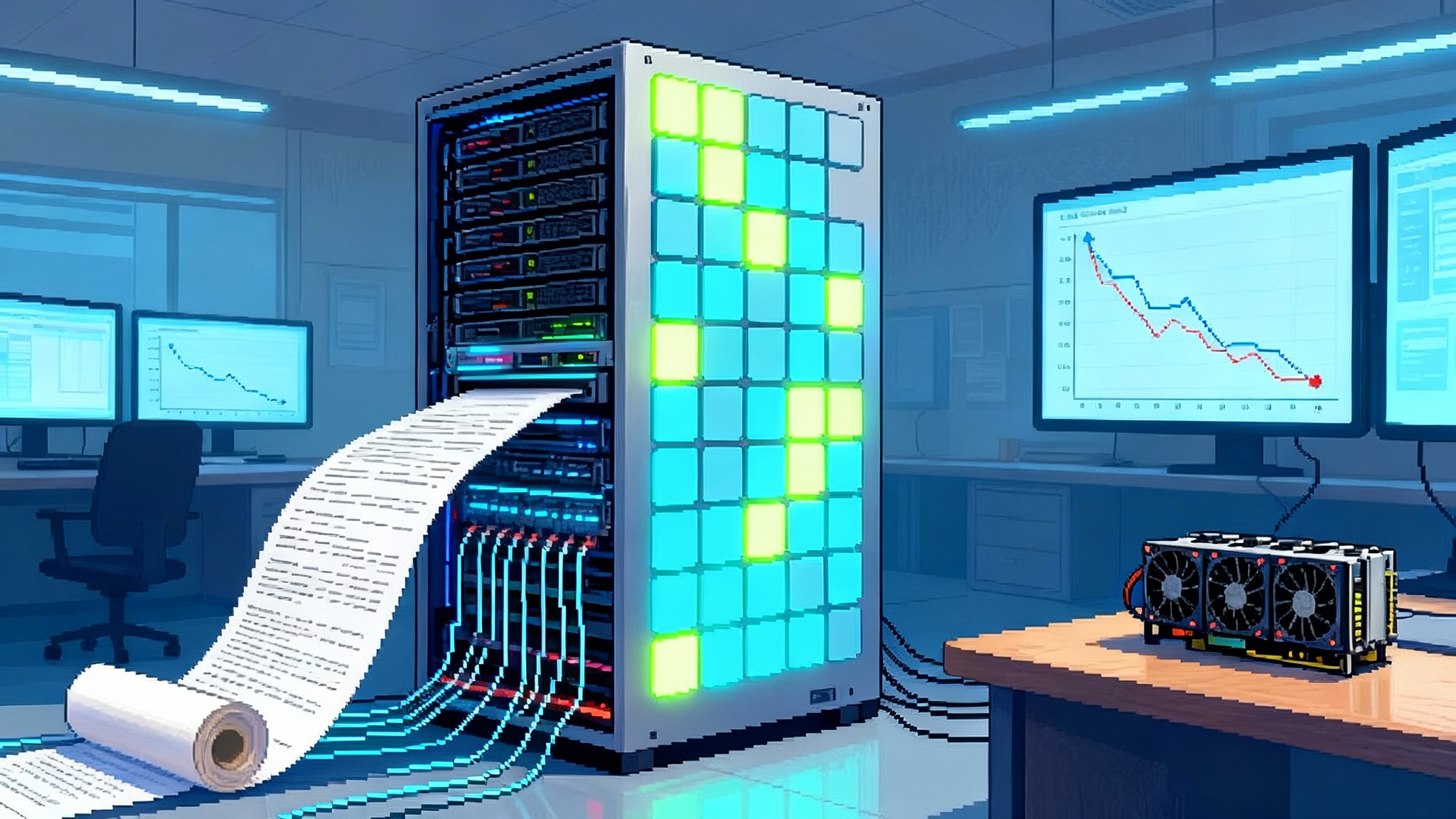
Qwen3-Next and Max Flip the Cost Curve for Long-Context Agents
Alibaba’s late September release of Qwen3-Next and the trillion-parameter Qwen3-Max brings sparse activation, multi-token prediction, and 128K to 256K context windows that reduce latency and cost for tool-using agents running on commodity GPUs.
Inside Rio: Polygon’s bet on stateless speed and 5,000 TPS
Polygon’s Rio upgrade brings stateless verification and validator‑elected block producers to target near‑zero reorgs, lower node costs, and a clear runway to 5,000 TPS. Here is what changes and how to build for it.

Microreactors Break Out at Eielson as Pele Advances
In 2025 the Air Force moves toward an Oklo pilot at Eielson and DoD’s Project Pele heads into assembly and testing at Idaho National Laboratory, setting a practical path for resilient power at the edge.

Starship Flight 11 Closes V2, Opens the Road to V3
Targeted for mid October 2025, SpaceX’s Flight 11 will trial a five engine landing burn and harsher heat shield conditions. Here is what those choices signal about rapid reuse, near term cislunar logistics, and how a clean run could pull 2026 to 2027 milestones forward.
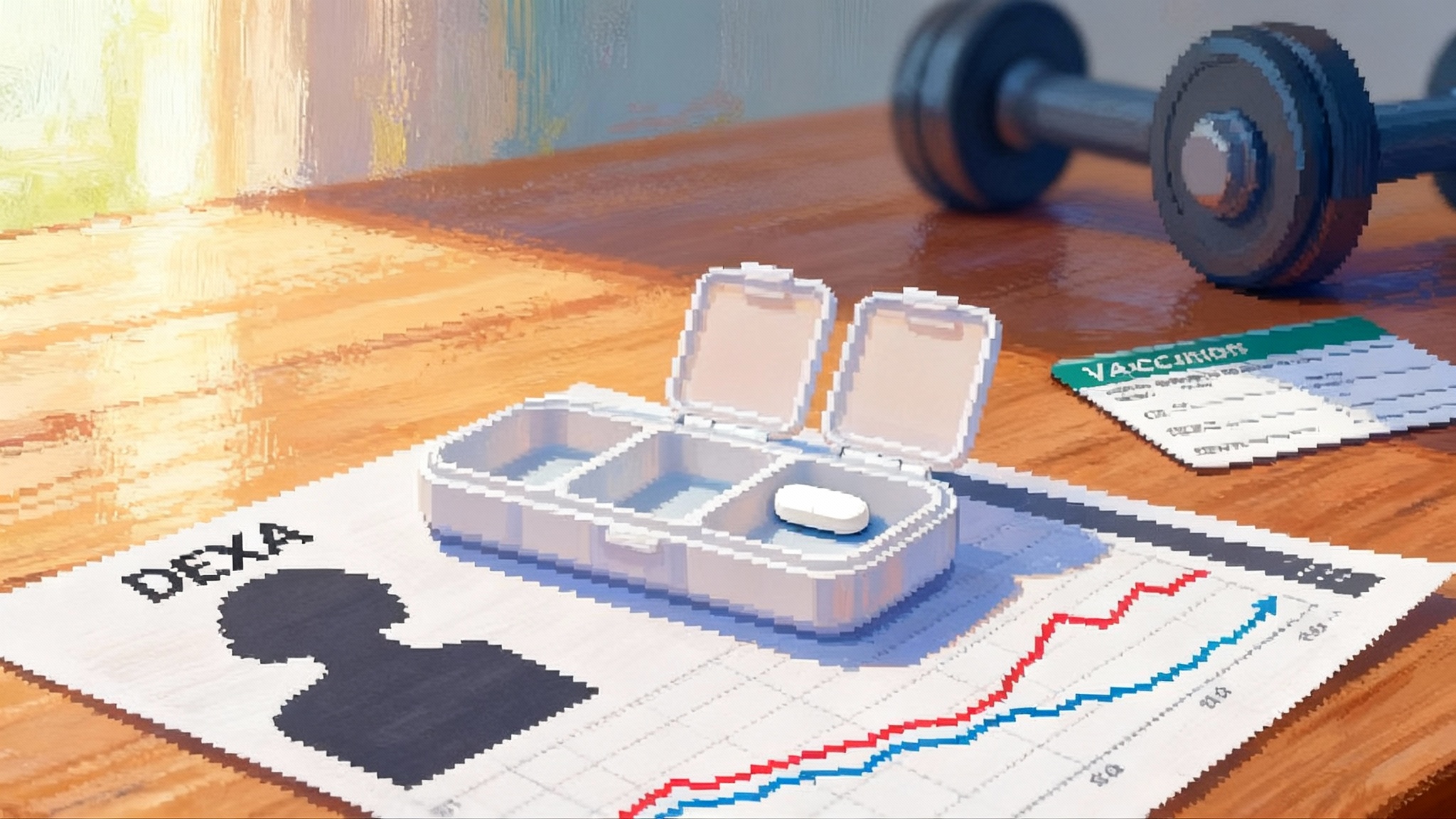
PEARL lands: decoding rapamycin’s first human longevity trial
PEARL just delivered the first randomized human data on weekly rapamycin for aging. Safety looked acceptable, the primary endpoint did not move, and one sex-specific signal stood out. Here is what the study means now and the fastest path to an actual label with outcomes that matter.
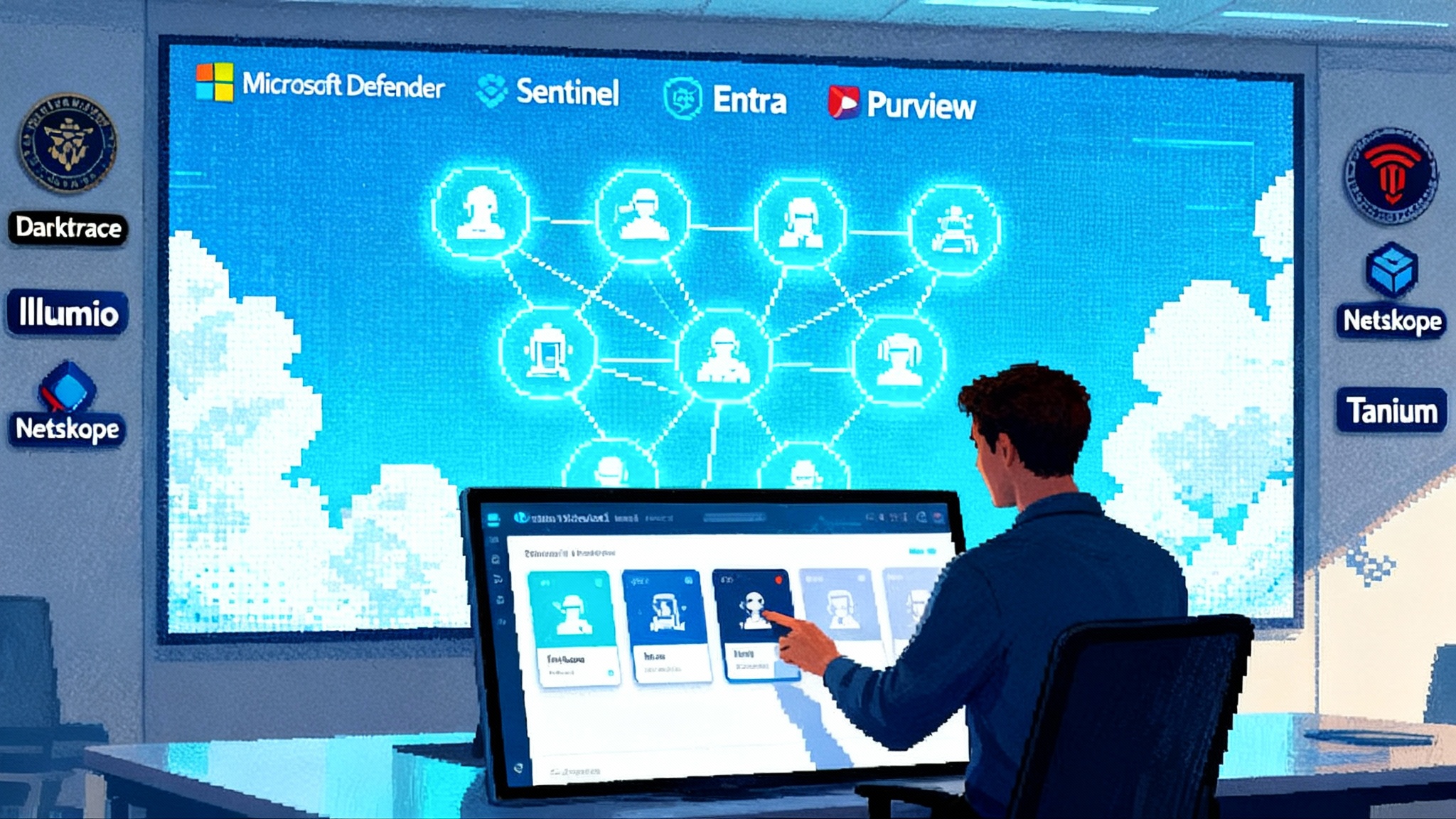
Microsoft's Security Store makes AI agents the new SOC
Microsoft’s new Security Store shifts security from point tools to autonomous workflows. With build-your-own and partner agents spanning Defender, Sentinel, Entra, and Purview, the SOC becomes a policy-governed marketplace of AI operations.
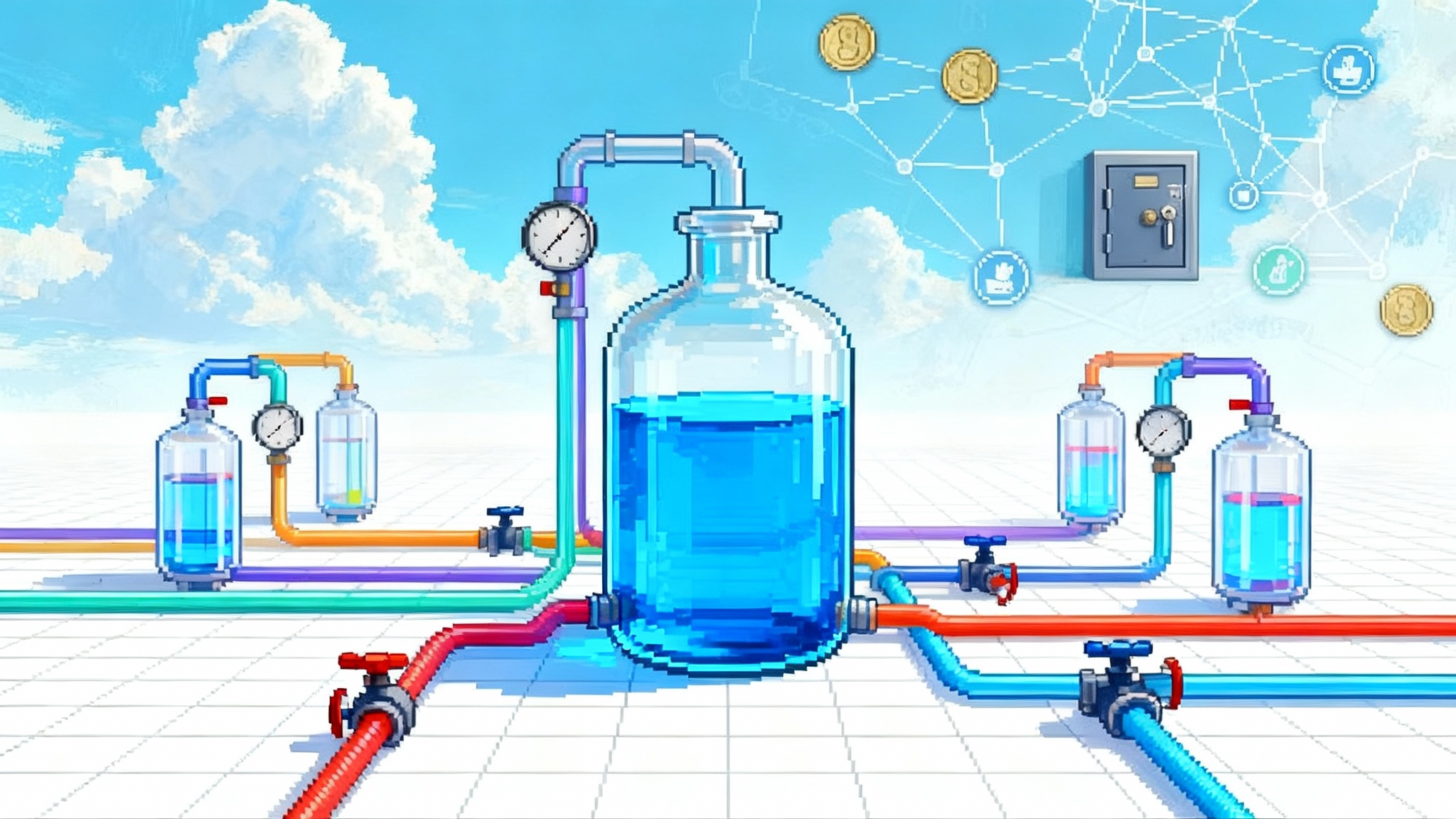
Inside Aave V4: a modular hub to unify liquidity this Q4
Aave V4 unifies liquidity into a single hub per chain, shifts balances to ERC-4626 shares, and adds targeted liquidations plus optional reinvestment. Here is the plain-English guide for builders and users ahead of the Q4 2025 launch window.

Starknet’s leap to decentralized sequencers, tested by a reorg
On September 1, 2025, Starknet shipped v0.14.0 with decentralized sequencers, Tendermint-style consensus, pre-confirmations, and EIP-1559 fees. A day later it faced an outage and two reorgs. Here is what changed, what broke, and what builders should do next.
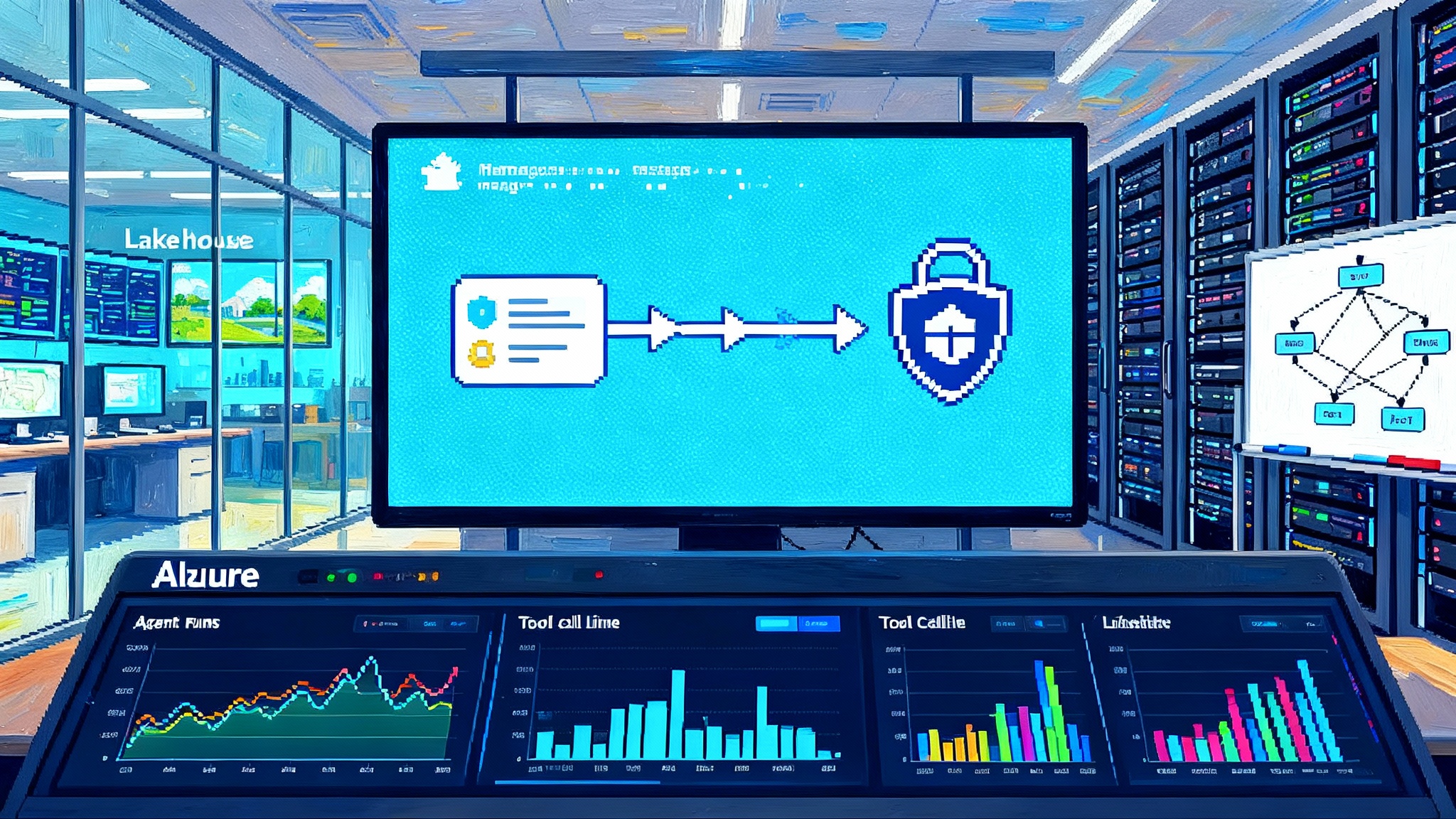
Azure Agent Ops Goes GA: From Demos to Governed Workloads
Azure AI Foundry’s Agent Service is now generally available, bringing bring-your-own thread storage, run-level observability, Fabric integration, MCP tools, and Deep Research so enterprises can move from flashy demos to governed, auditable workloads. Here is what shipped, why it matters, and how to launch in 90 days.
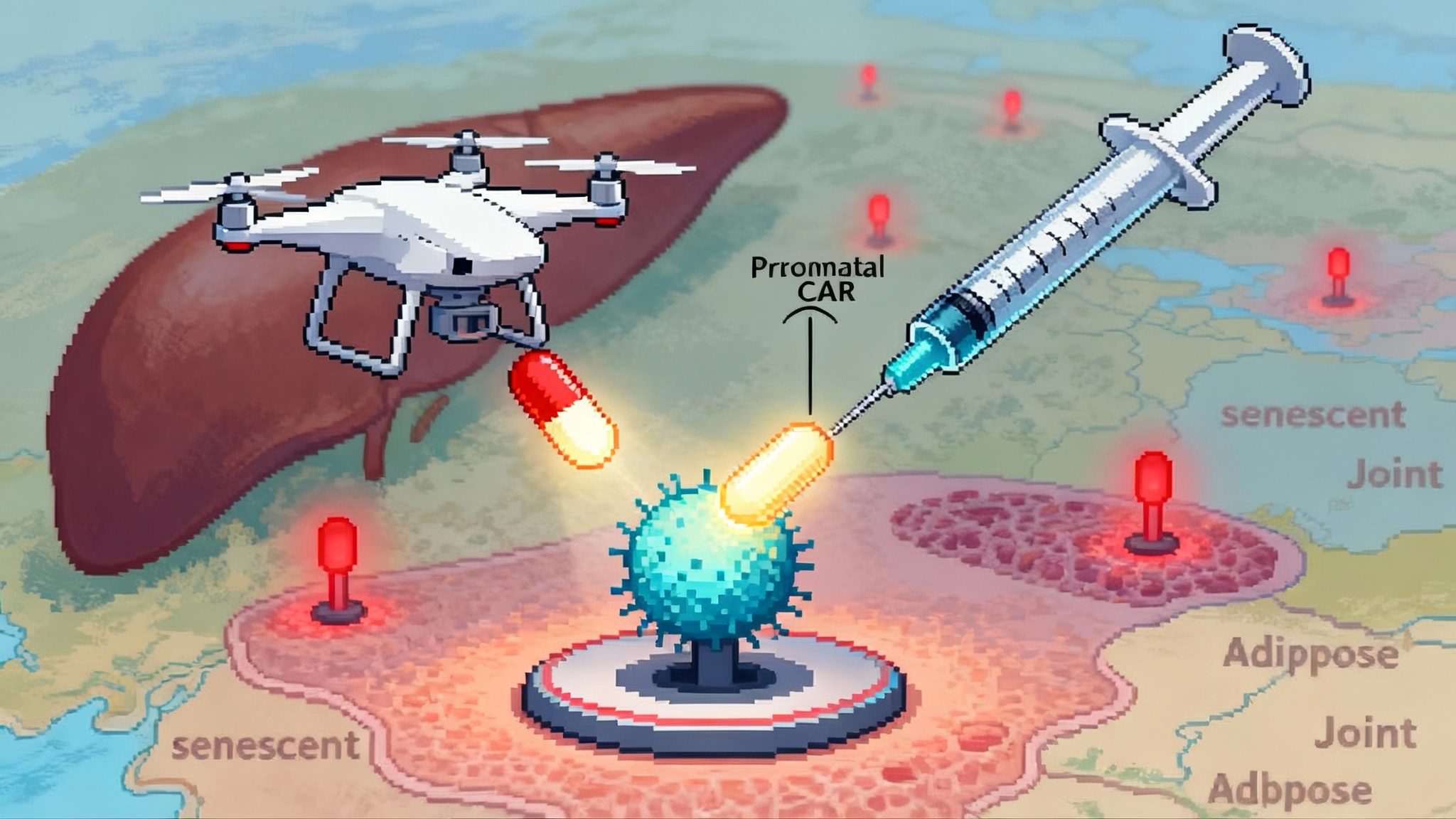
In vivo CAR-T goes clinical: unlocking senescence therapy
September 2025 delivered two thresholds for cell therapy: the first human data that T cells can be programmed into CAR T in the body without conditioning, and the first randomized win for CAR T in a solid tumor. Together they open a credible path to senescent cell clearance in common aging diseases.
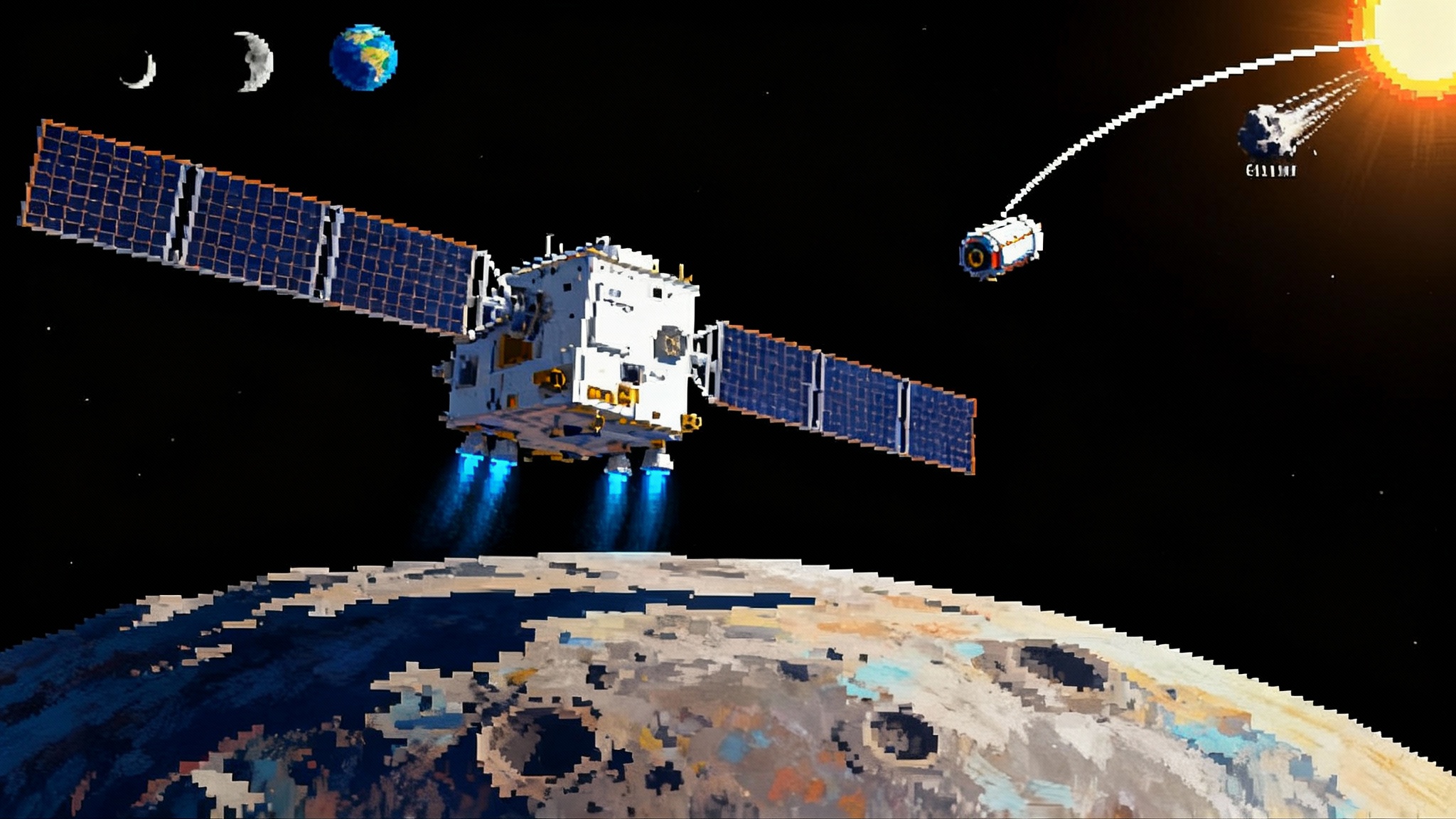
China’s Tianwen‑2 launches to a quasi‑moon, then 311P
China launched Tianwen-2 to sample Earth’s quasi-satellite Kamo‘oalewa and return material by 2027 before continuing on to active asteroid 311P/PANSTARRS. The dual-target mission showcases solar-electric propulsion and has clear planetary-defense value.
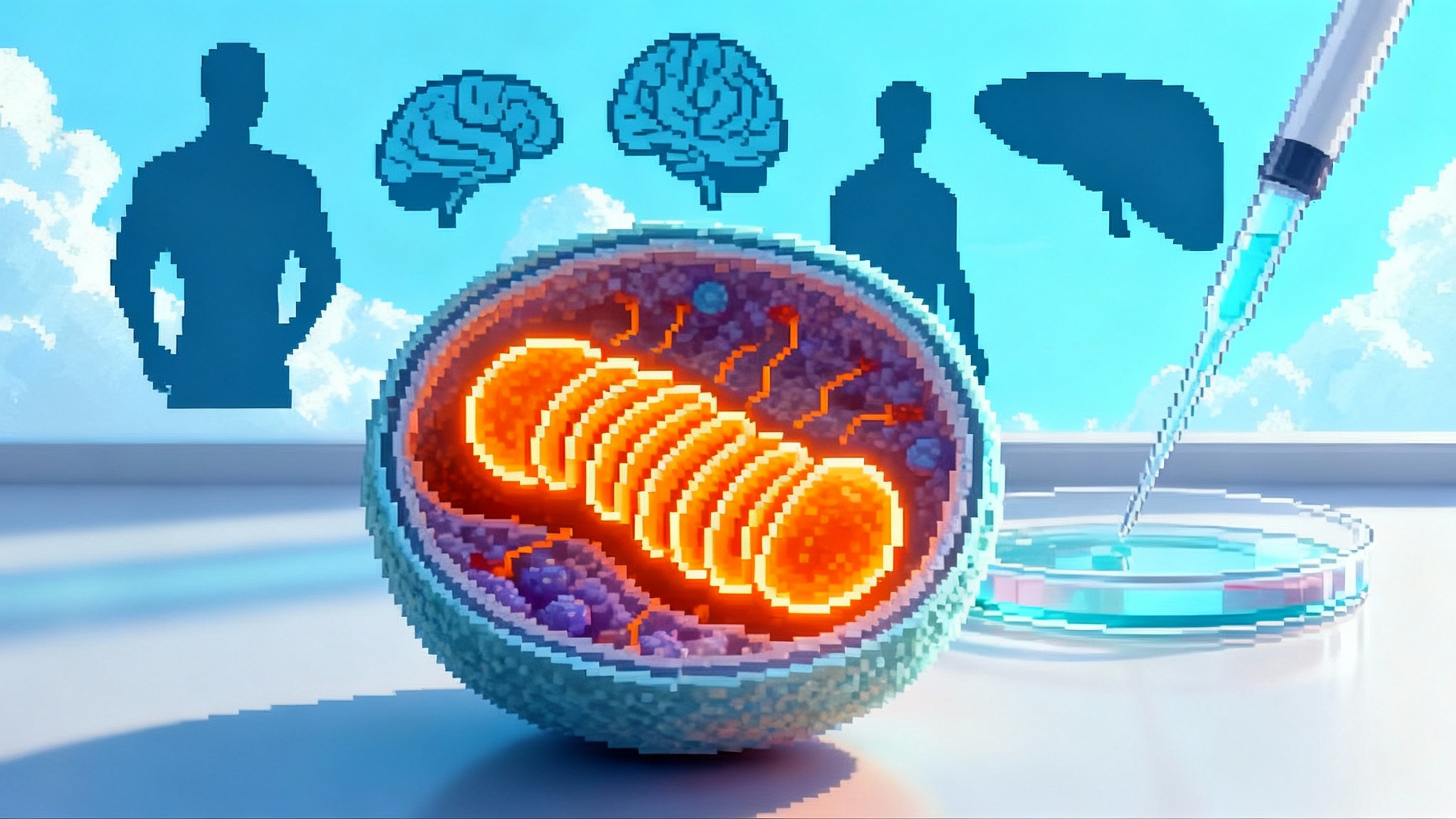
Mitochondria’s Breakthrough Year: Rare Cures to Longevity
Summer 2025 delivered three milestones for mitochondrial medicine: births after mitochondrial donation in the UK, an FDA-cleared Phase II cell therapy for Pearson syndrome, and precise base edits in animals and patient cells. Here is what is real, what is risky, and how this momentum could shape healthspan.
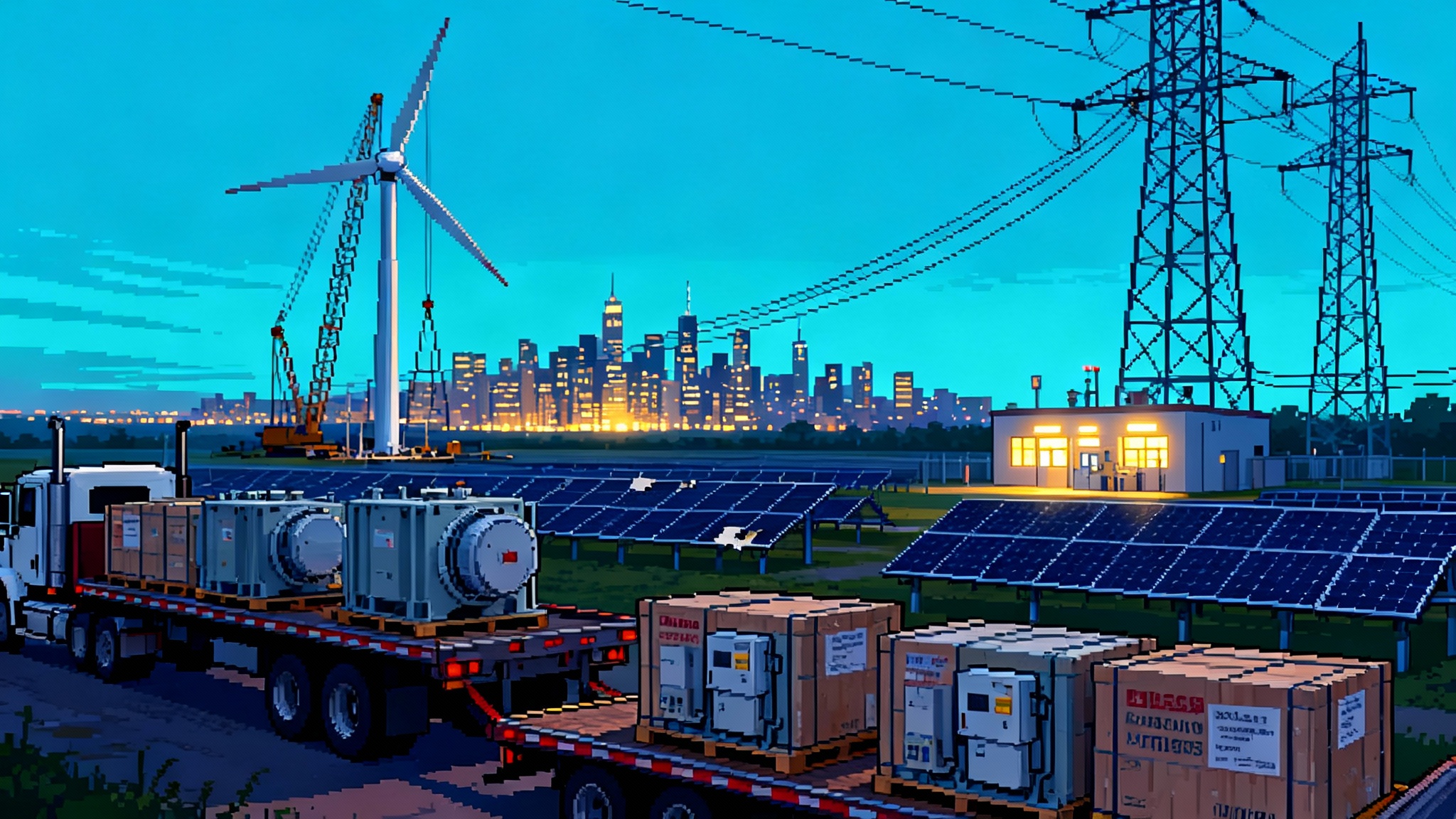
The Post-IRA Sprint: States rush to lock wind and solar
With federal timelines pulled forward, states are fast‑tracking wind and solar awards to qualify before the 2027 placed‑in‑service cutoff. Here’s how developers are retooling, who benefits, and how to avoid a 2028 project cliff.
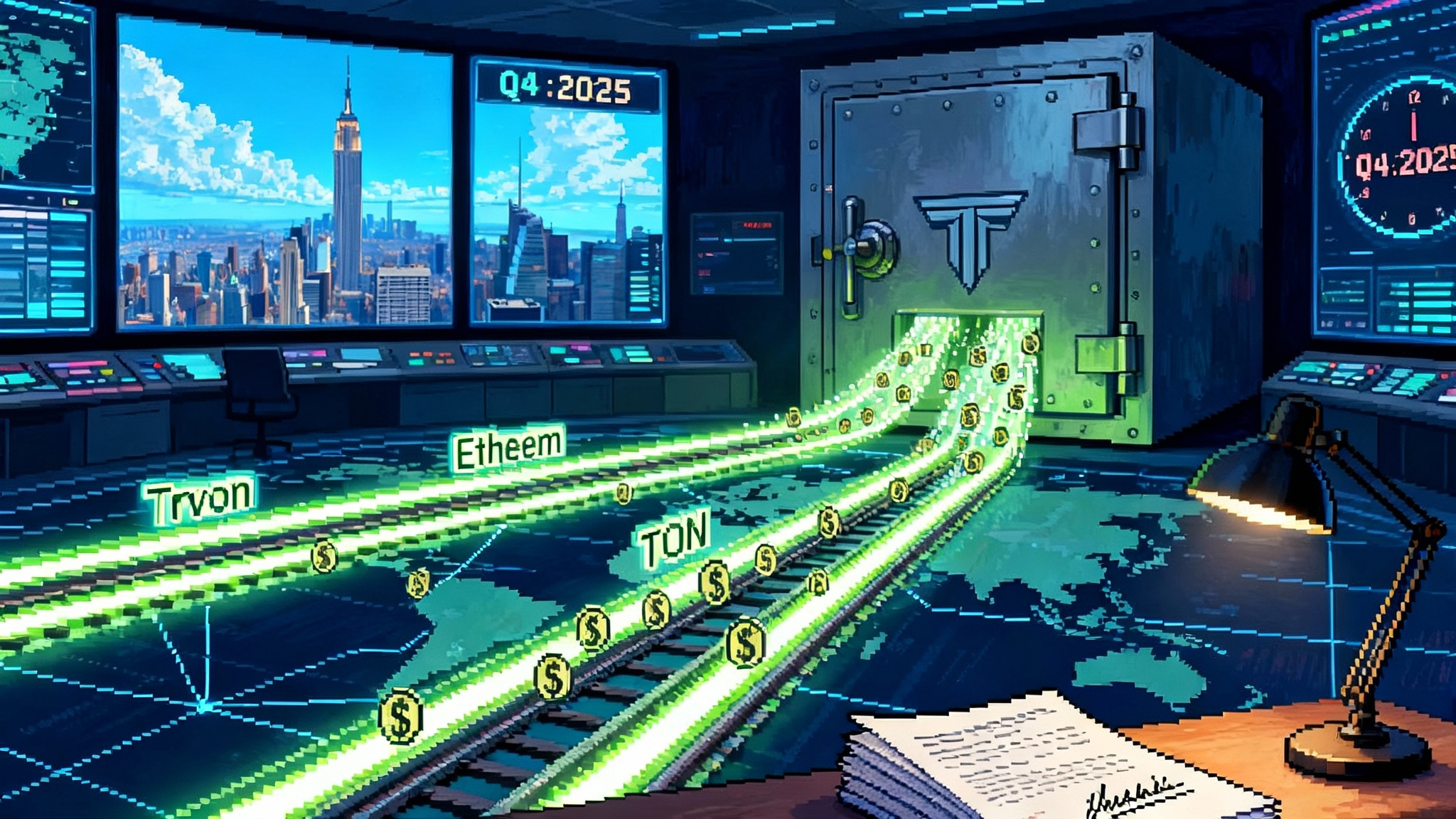
Tether’s mega-raise and USAT pivot reset the stablecoin race
Reports in late September indicate Tether is lining up a multibillion private raise and a U.S.-focused stablecoin, USAT. This analysis explains what that signals for compliance and institutions, how market share could shift, and how builders should prepare through Q4 2025.

Sky’s migration crunch: penalties, stUSDS, and the Q4 reset
Sky has activated a quarterly penalty on MKR-to-SKY conversions and advanced stUSDS onboarding. Here’s how the new economics, governance rules, and yield routes will push upgrades, rewire liquidity, and shape DeFi decisions through Q4 2025.

Microwave Shields Go Big in 2025: Counter-Drone Hits Scale
A 49-drone swarm fell in seconds and the Army signed for next-gen IFPC-HPM. Here is how high-power microwaves are moving from flashy demos to layered air defense at scale in 2025.
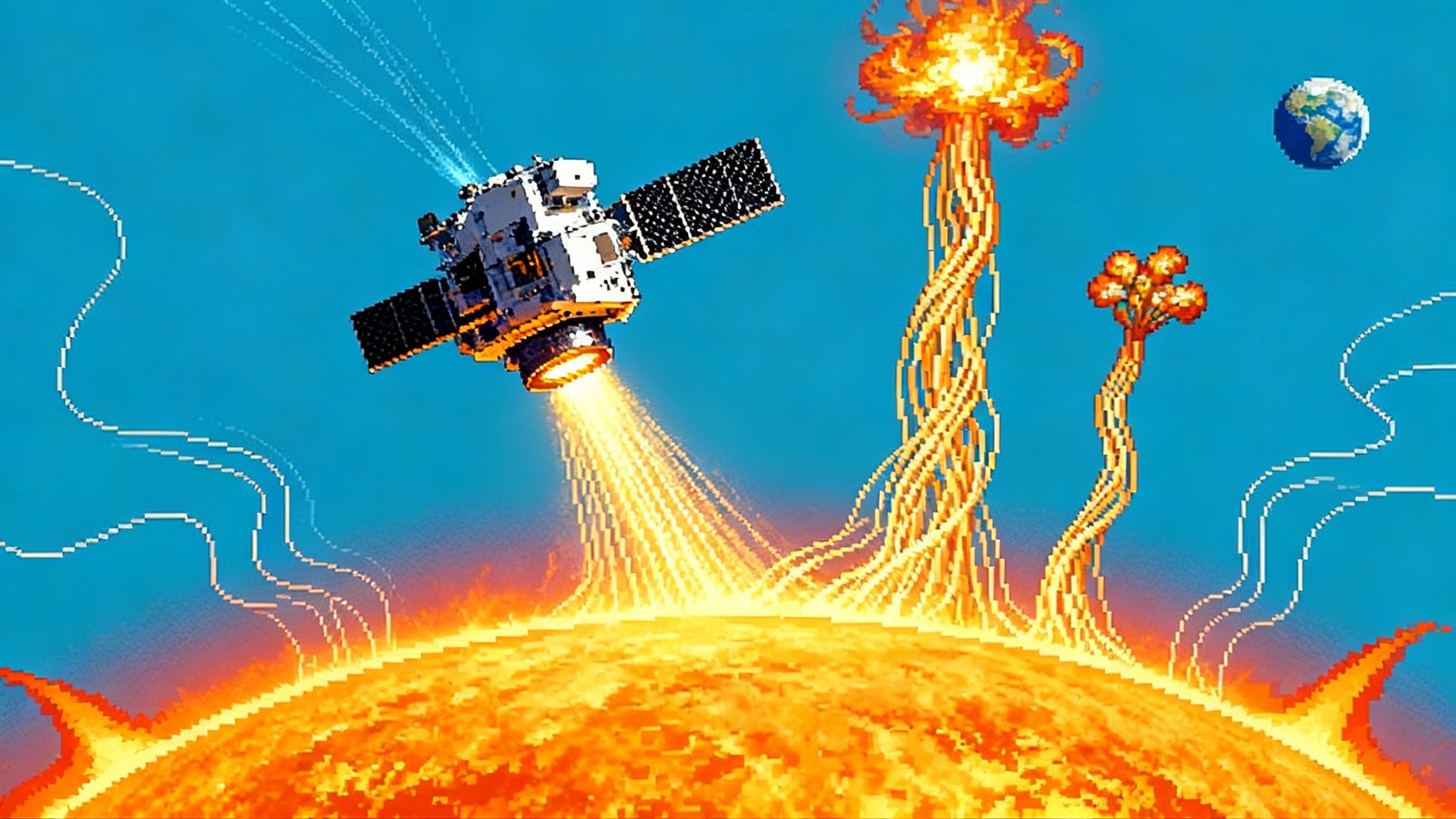
Inside the Corona: Parker’s 2025 Data Will Rewire Space Ops
Parker Solar Probe’s 2025 inside-the-corona passes are turning solar physics into engineering data. Live readings of wind lanes, magnetic switchbacks, and CME birth zones now map directly to decisions for crews, constellations, and power grids.