Relaying what matters next.
The Relay is a new media project dedicated to covering slightly futuristic domains such as artificial intelligence, space exploration, longevity science, crypto and blockchain, advanced biology, and defense technologies. Our mission is to capture the signals of tomorrow and relay them forward with clarity, depth, and context.
What's happening today?
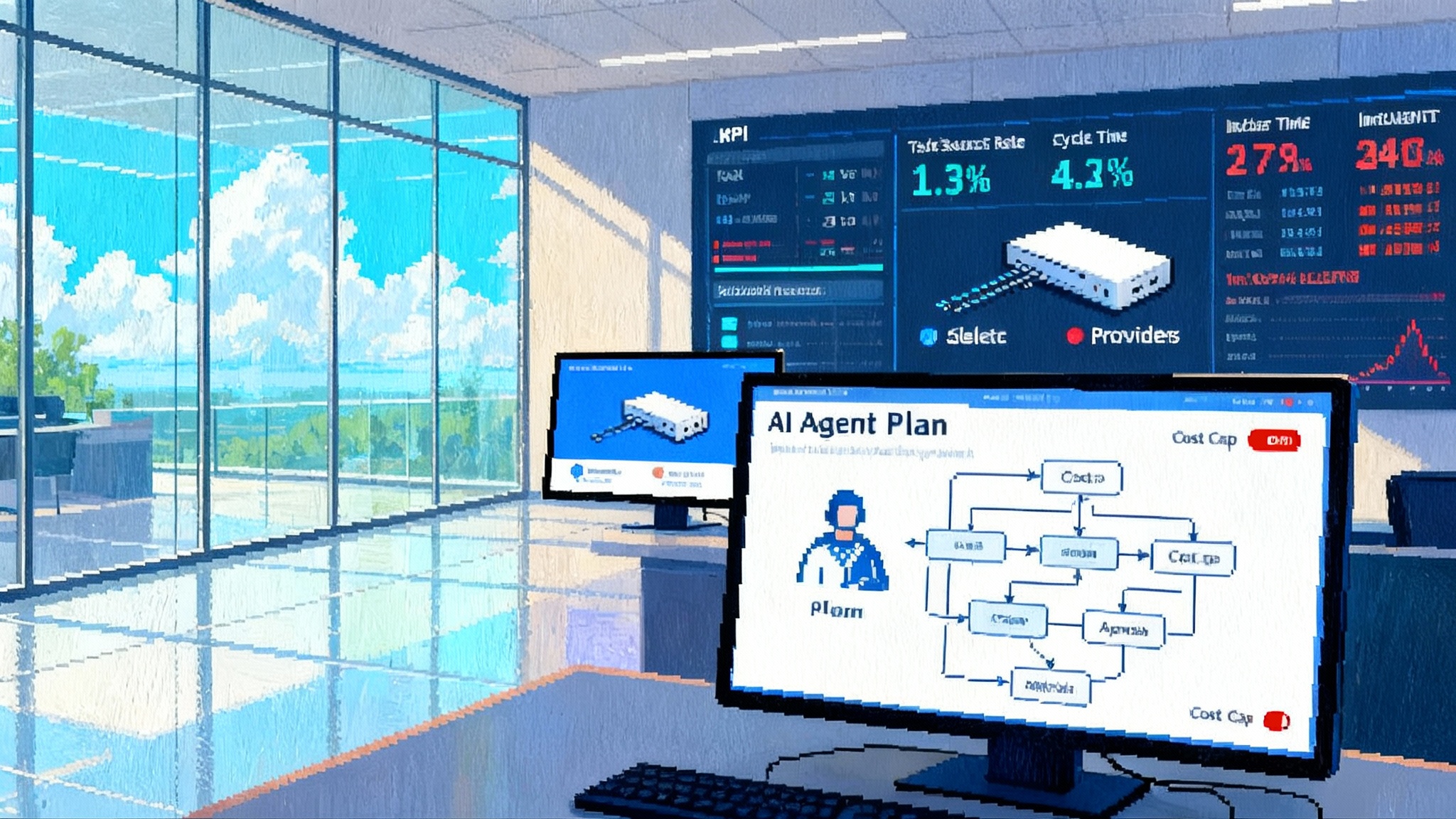
Citi’s AI Agent Pilot Is the Bank-Grade Tipping Point
In late September 2025, Citi began piloting autonomous AI agents inside Stylus Workspaces for 5,000 employees. Here is what changed, why multi-model orchestration matters, and a rollout blueprint with KPIs, controls, and incident playbooks any regulated enterprise can copy.

Ethereum-Grade AVSs on L2: EigenLayer’s Base Debut
Between July 24 and 28, 2025, EigenLayer began rolling out Multi-Chain Verification, letting AVSs run on L2s like Base while inheriting Ethereum-grade security. Explore how cross-chain restaking works, what it unlocks, the new risks to plan for, and a practical builder checklist.

ChatGPT Pulse Goes Proactive: Designing Agents That Act
OpenAI just made ChatGPT proactive. Pulse, announced on September 25, 2025, and ChatGPT Agent (July 17, 2025) reshape product strategy. Use this safety-first playbook to build permissioned, proactive assistants.
Euclid’s first data is rewriting the dark universe map
Euclid’s first public data release (Q1) is already surfacing hundreds of strong gravitational lenses and kickstarting fresh tests of dark matter and dark energy. Here’s how AI and citizen scientists turned sharp imaging into fast physics, and what to watch next.
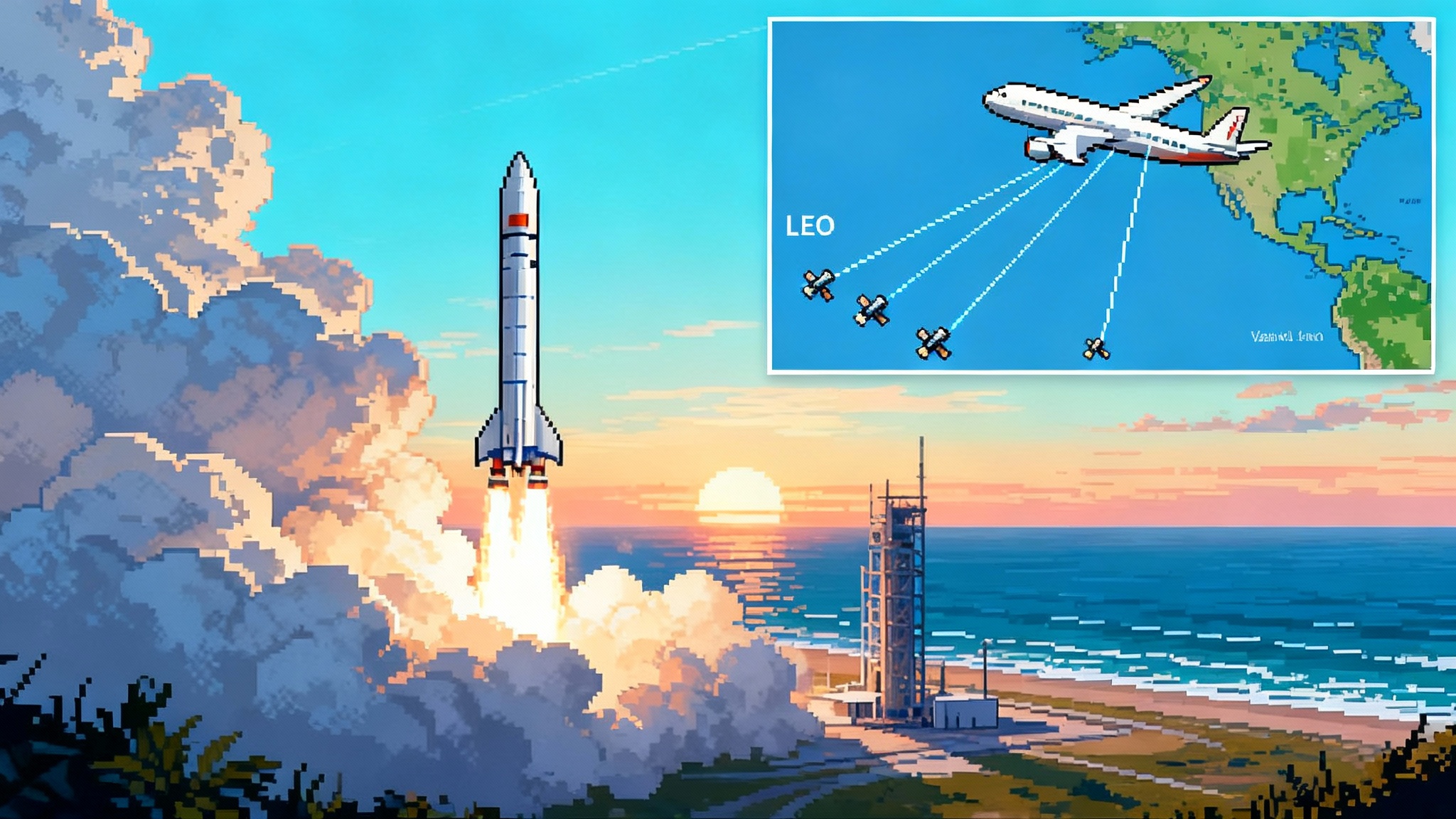
Tranche 1 hits orbit: SDA’s LEO mesh rewrites kill chains
On September 10, 2025, SpaceX’s Falcon 9 launched 21 SDA Tranche 1 Transport Layer satellites from Vandenberg. With roughly monthly launches planned, a 150 plus satellite LEO mesh with optical crosslinks and Link 16 is set to accelerate missile warning, targeting, and joint fires.
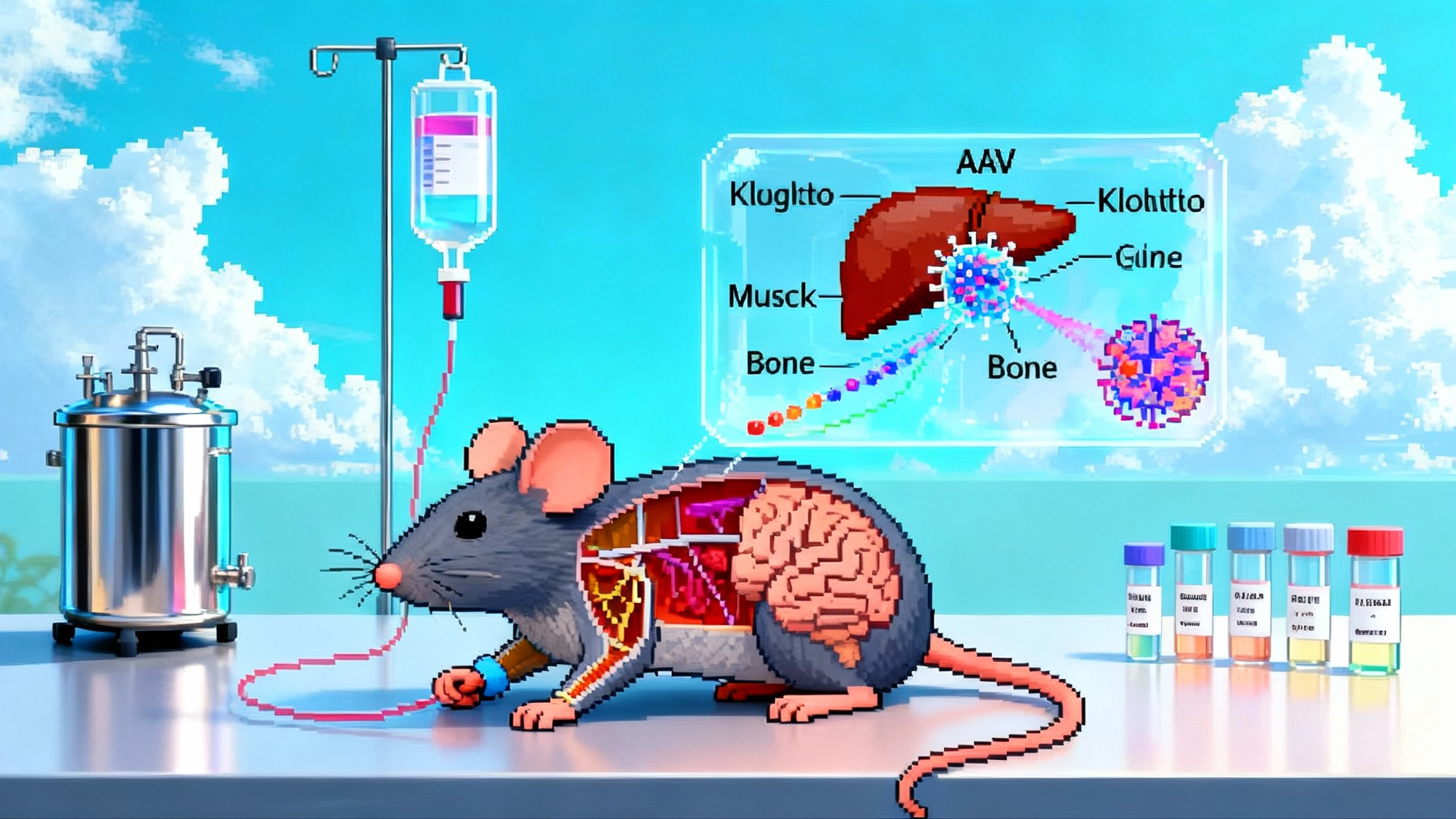
From longer-lived mice to humans: Klotho therapy’s 2025 pivot
A single AAV dose of secreted Klotho extended male mouse lifespan in a 2025 study, while a biotech began manufacturing an AAV‑Klotho candidate for ALS. Here is the biology, delivery tradeoffs, safety map, endpoints, and timelines that matter now.

Court Lifts Halt on Revolution Wind, Reprices Offshore Risk
A federal injunction restoring work on Ørsted’s Revolution Wind reshapes legal and financing assumptions for U.S. offshore wind. Here is how the ruling affects political risk, WACC, OREC and PPA clauses, insurance, and lender covenants in 2025–2026.
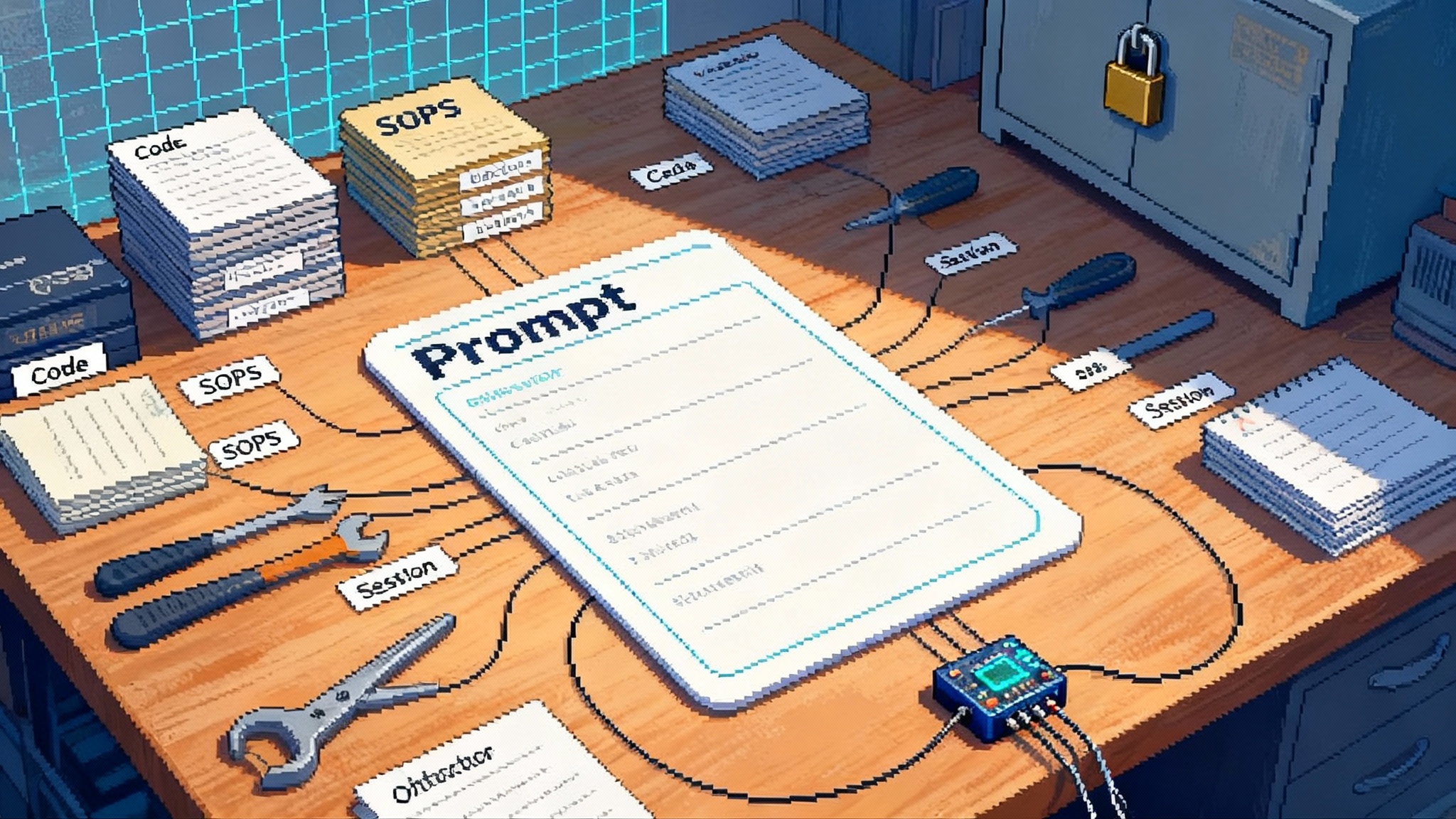
The 1M-Token Context Race Is Rewiring AI Agent Design
Million-token prompts just moved from demo to default, and it is changing how teams build AI agents. Learn why stacks are shifting from RAG-heavy pipelines to in-context, tool-rich workflows, plus a practical migration plan you can ship.

HSBC’s tokenized deposits vs stablecoins: the 2025 test
HSBC has switched on live cross-border tokenized deposits for corporates, pitting bank-backed tokens against public stablecoins. Here is how the rails differ, what changes for treasurers and merchants, and what to watch in Q4 2025.
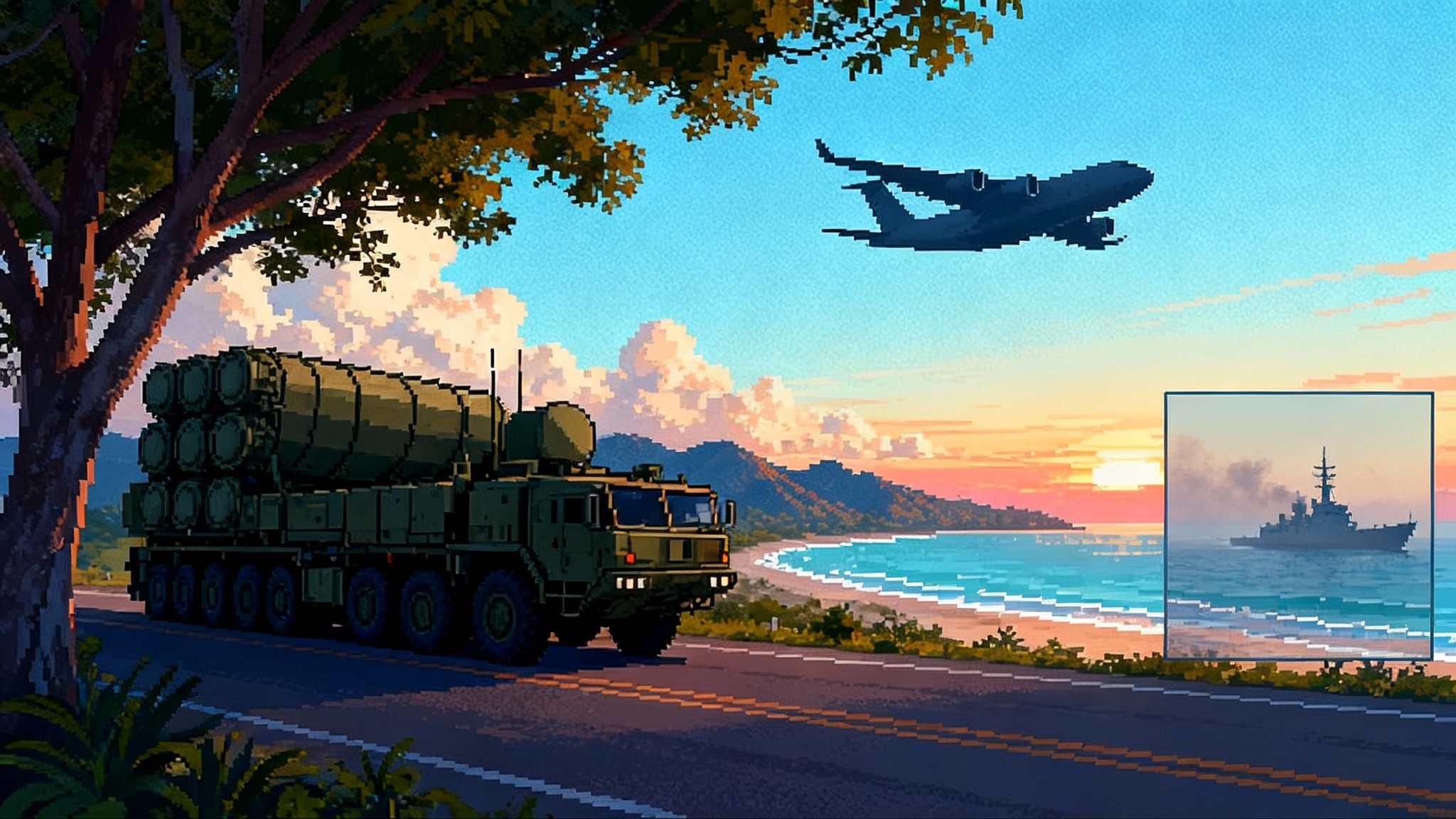
Typhon Comes Ashore: Land-Based SM-6/Tomahawk Deterrence
From northern Luzon to Japan’s Resolute Dragon, Typhon launchers are moving from demo to deterrent. We break down how land-based SM-6 and Tomahawk change survivability, strike geometry, joint kill chains, signaling, costs, and the 2025 to 2027 outlook.
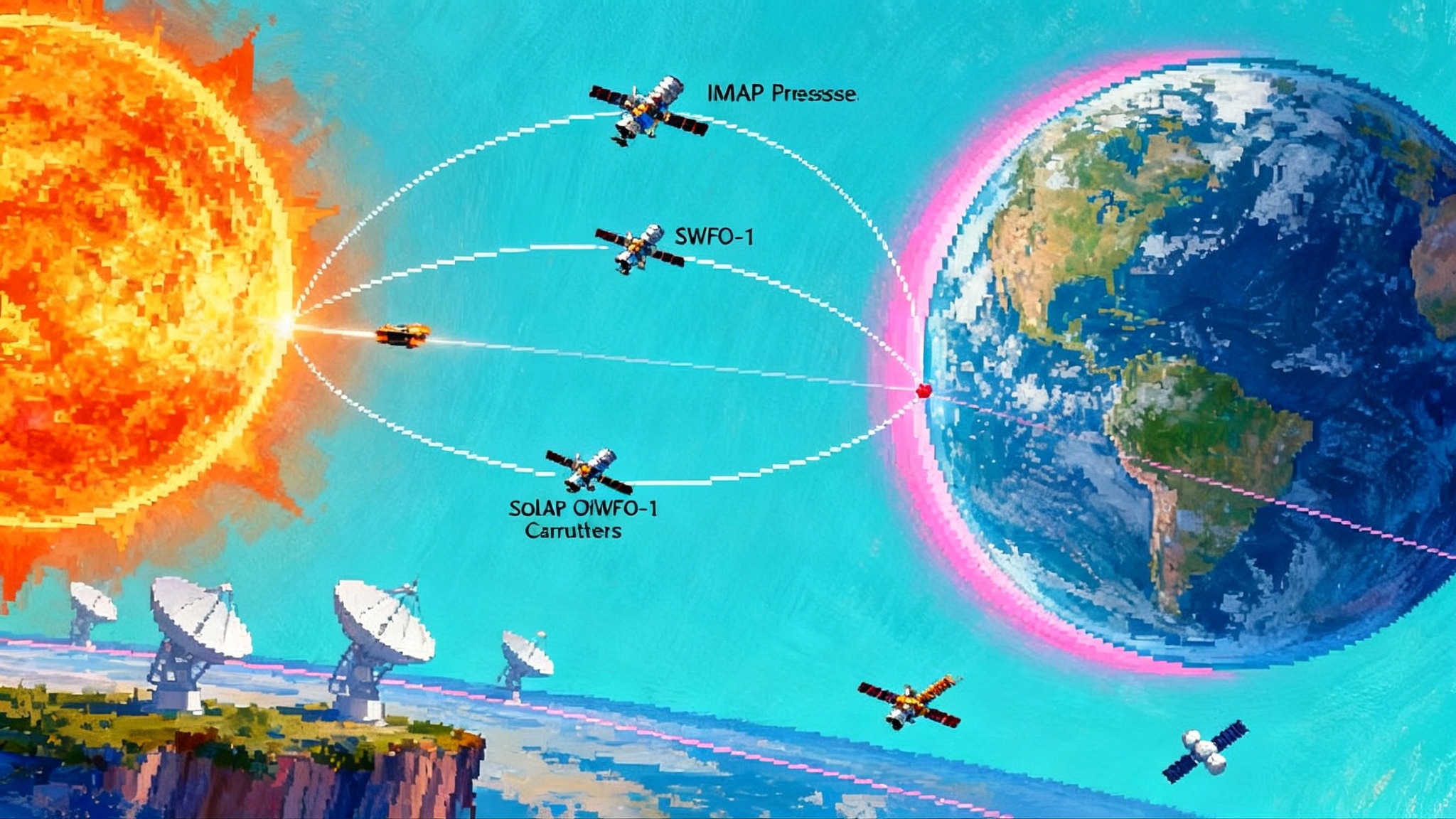
NASA and NOAA’s L1 Trio Will Transform Space Weather for Artemis
A single Falcon 9 just sent IMAP, SWFO-L1, and the Carruthers Geocorona Observatory toward the Sun-Earth L1 point. Here is how their data will sharpen radiation alerts, guide Artemis planning, and unlock fresh heliophysics.
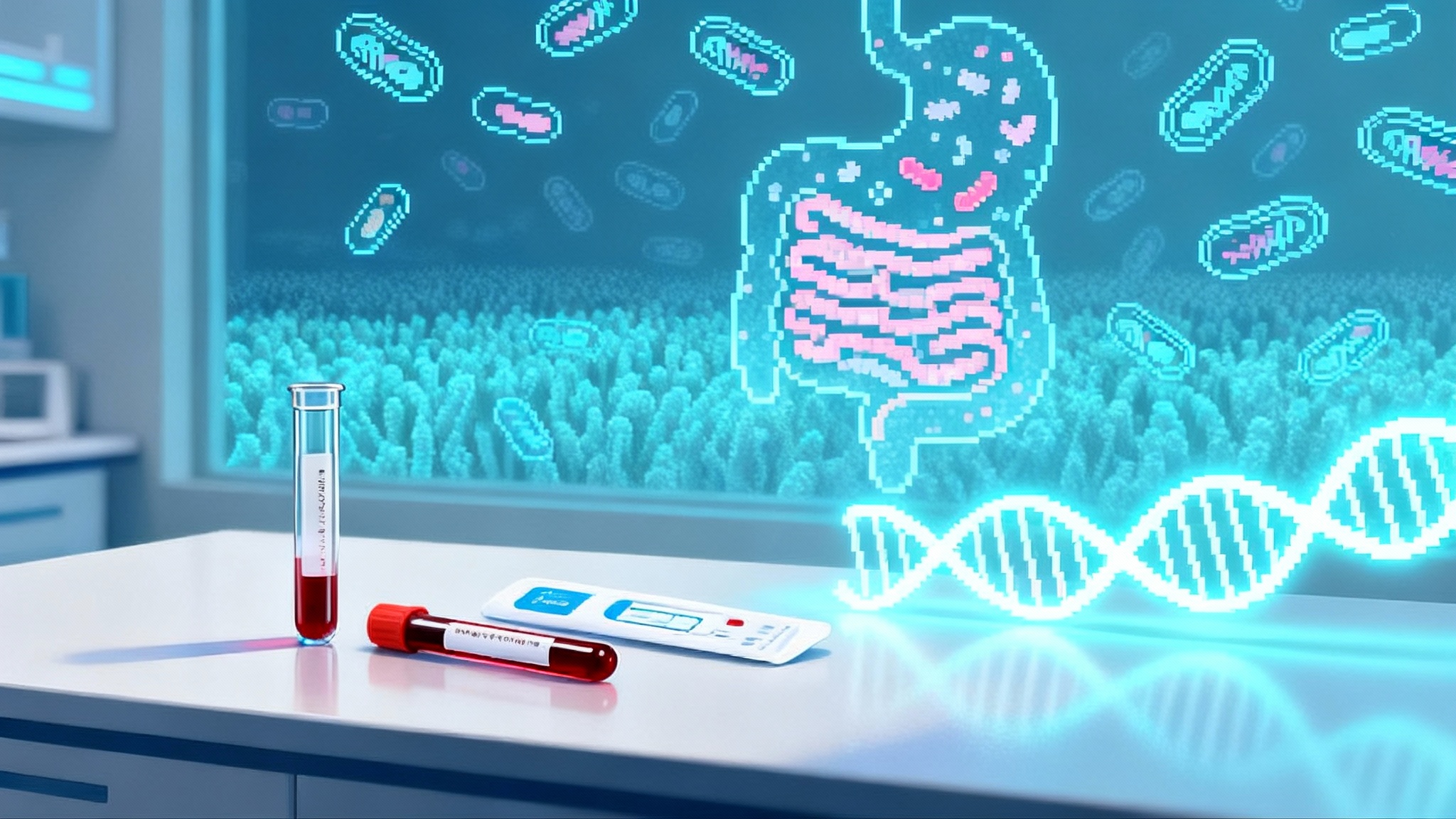
What a 117-year-old taught us about aging and disease
A 2025 case study of supercentenarian Maria Branyas Morera reveals low inflammation, a youthful microbiome, protective genes, and a younger epigenome. The findings shift longevity science toward resilience and trial designs that measure recovery and function, not just age.
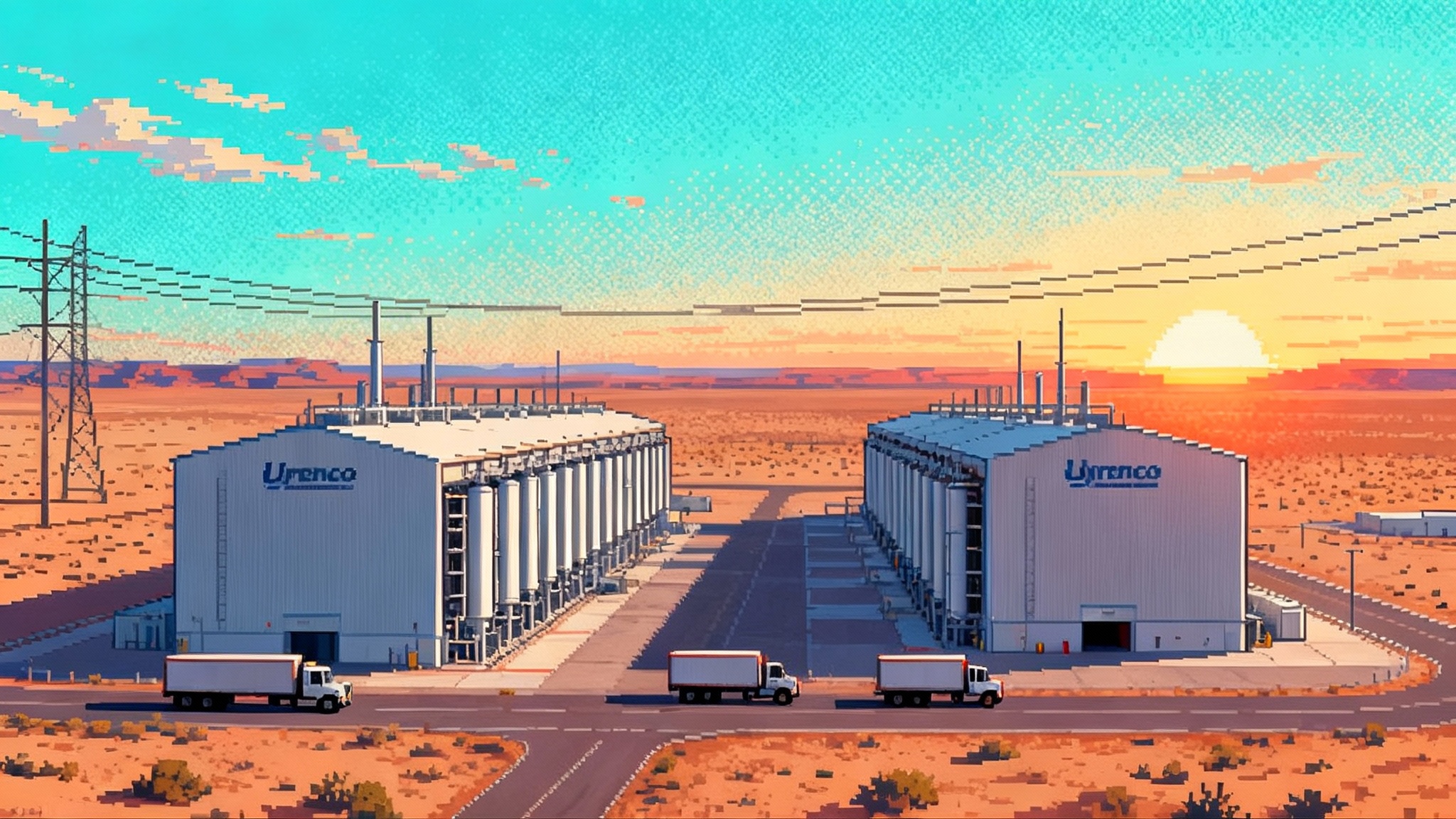
America’s Uranium Ban Triggers a 2025 Enrichment Sprint
With Russian enriched uranium blocked as of August 11, 2024 and waivers ending after January 1, 2028, the United States has launched a $2.7 billion push to rebuild fuel supply. Here is how 2025 is unfolding, who is winning and losing, and what to watch through 2028.
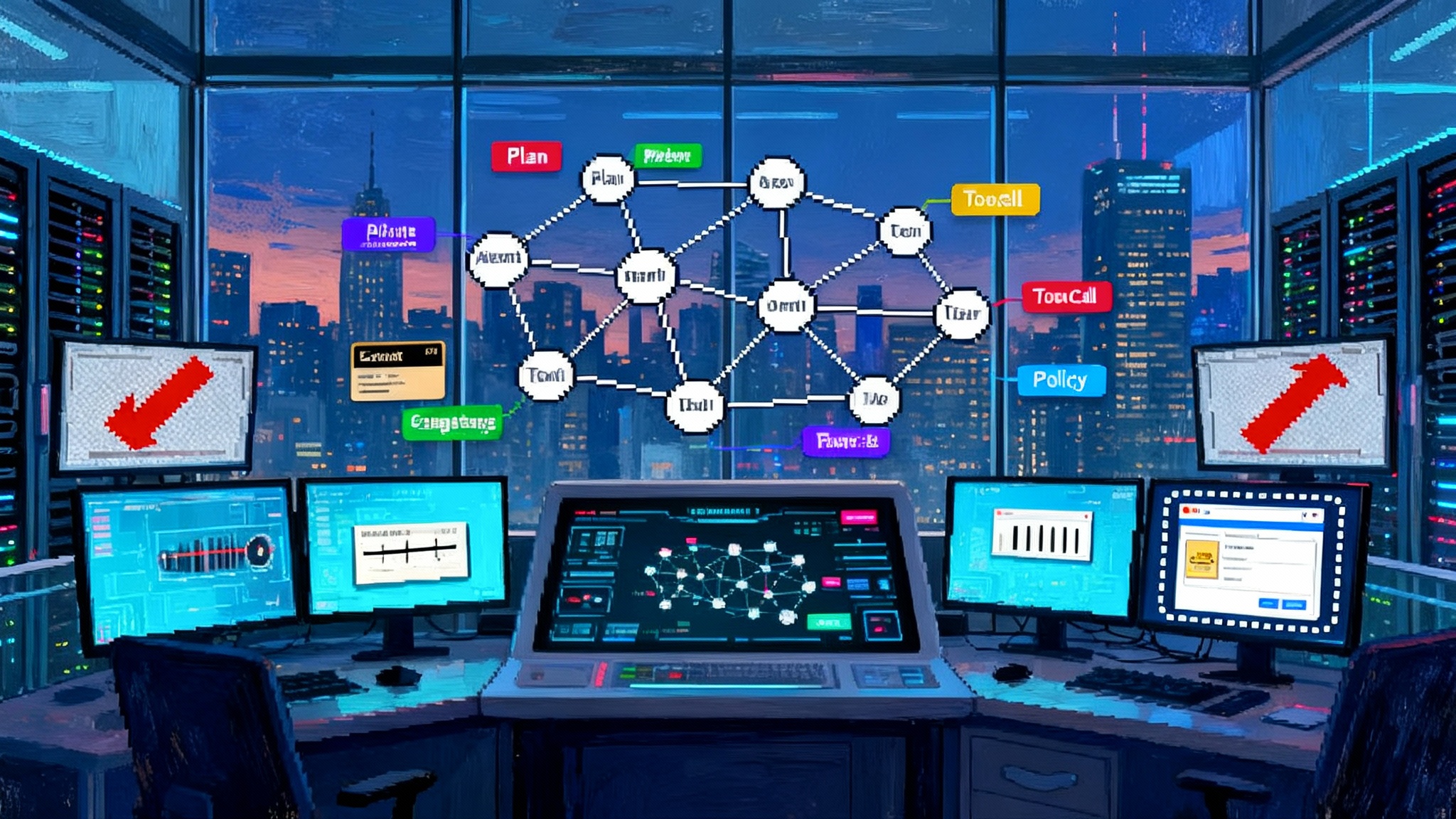
Agent Hijacking Is the Gating Risk for 2025 AI Agents
In 2025, formal agent evaluations exposed how browser and tool-using agents are uniquely vulnerable to hijacking. Here is what red teams exploit and a secure-by-default rollout you can ship now.
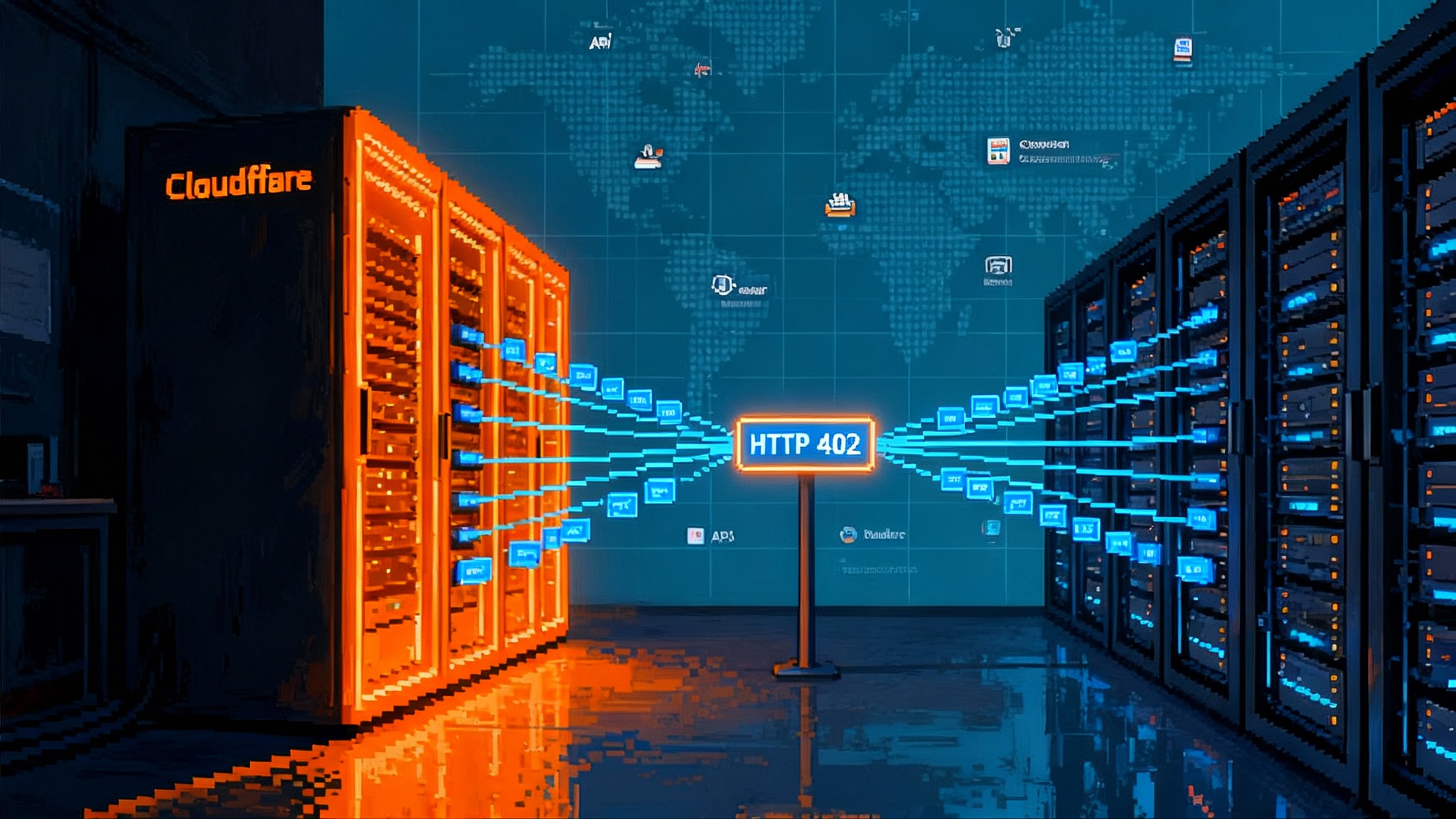
Cloudflare’s NET Dollar: Settlement Layer for AI Agents
Cloudflare is proposing NET Dollar, a dollar‑backed stablecoin designed for instant, programmable settlement between software agents. Paired with x402 and the Agent Payments Protocol, it points to a pay‑per‑use internet where crawlers, APIs, and models buy exactly what they need in milliseconds.
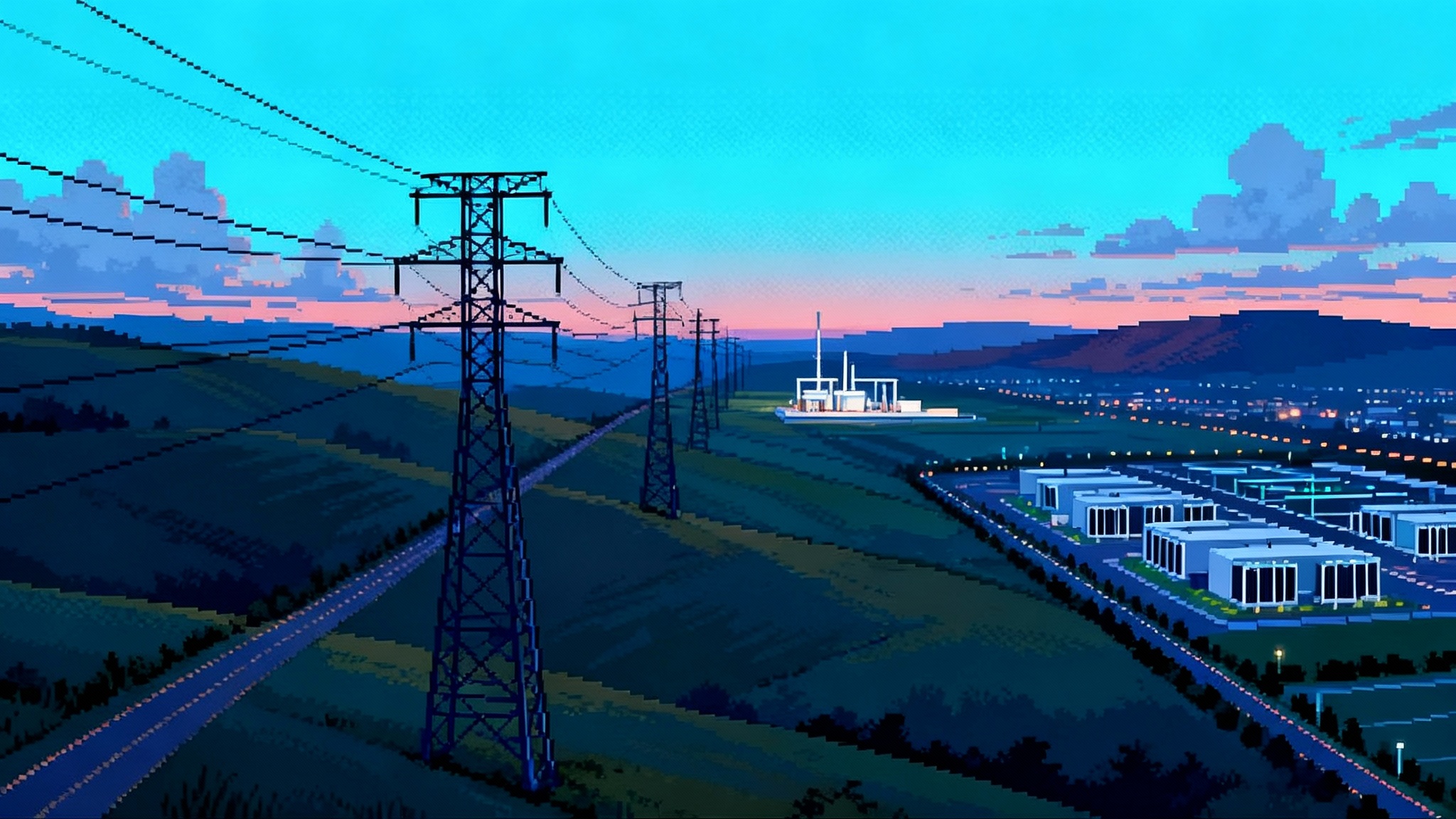
FERC’s 1920-A hands states the pen on grid planning
FERC’s 1920-A keeps the 2024 transmission rule intact, extends the launch of the first long-term regional planning cycles to as late as mid-2027, and elevates states in scenario design and cost allocation. See what utilities, RTOs, and commissions should do now, how it aligns with DOE’s NIETC process, and what it means for siting and costs.
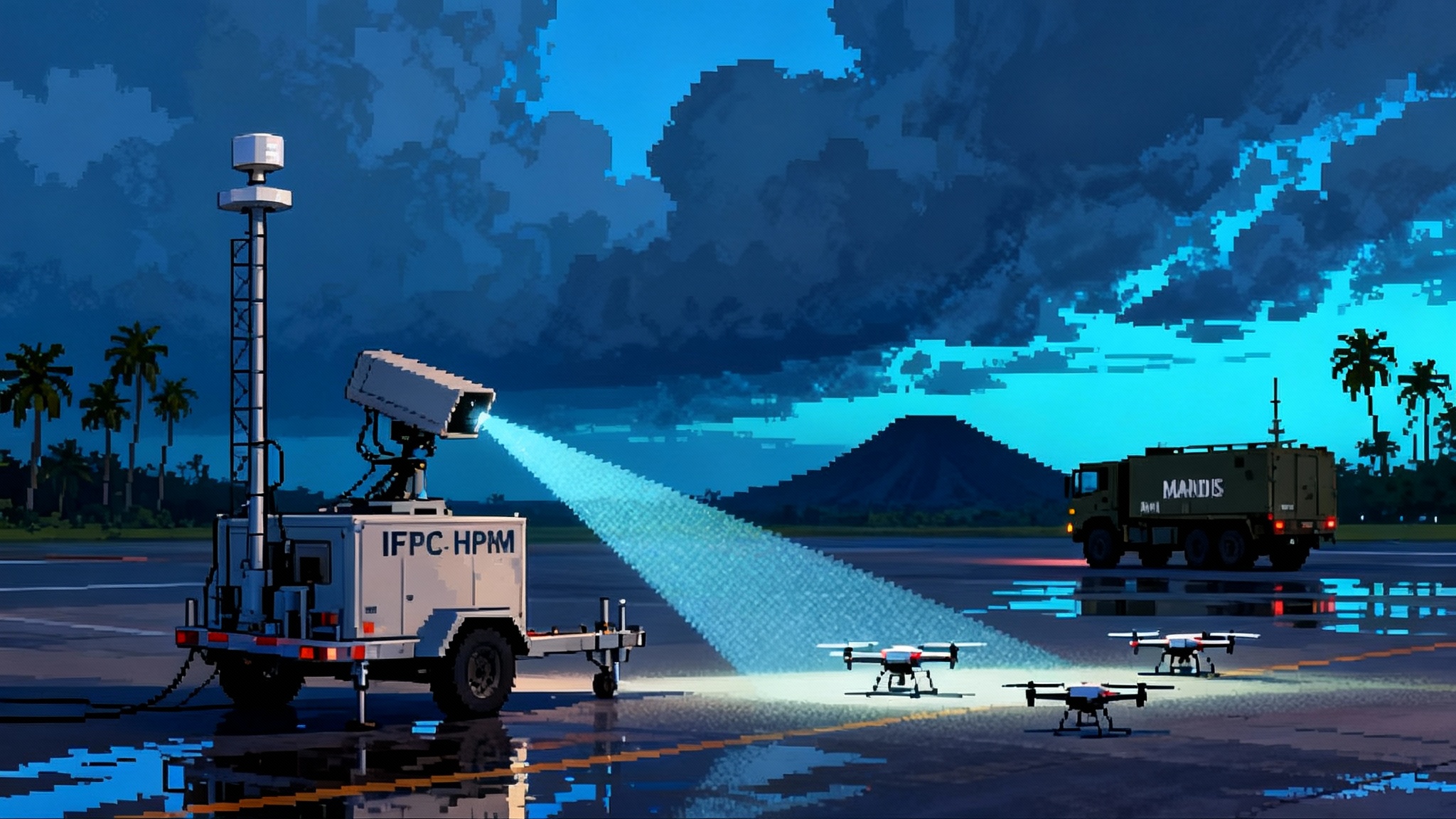
Microwaves vs Swarms: Army HPM Debuts in Indo-Pacific, Gen II
Two 2025 milestones shifted the counter-drone calculus. A Balikatan live fire in the Philippines showed Army high‑power microwaves knocking down swarms, and a July Gen II contract points to longer range, higher power and quieter, battery‑heavy endurance.
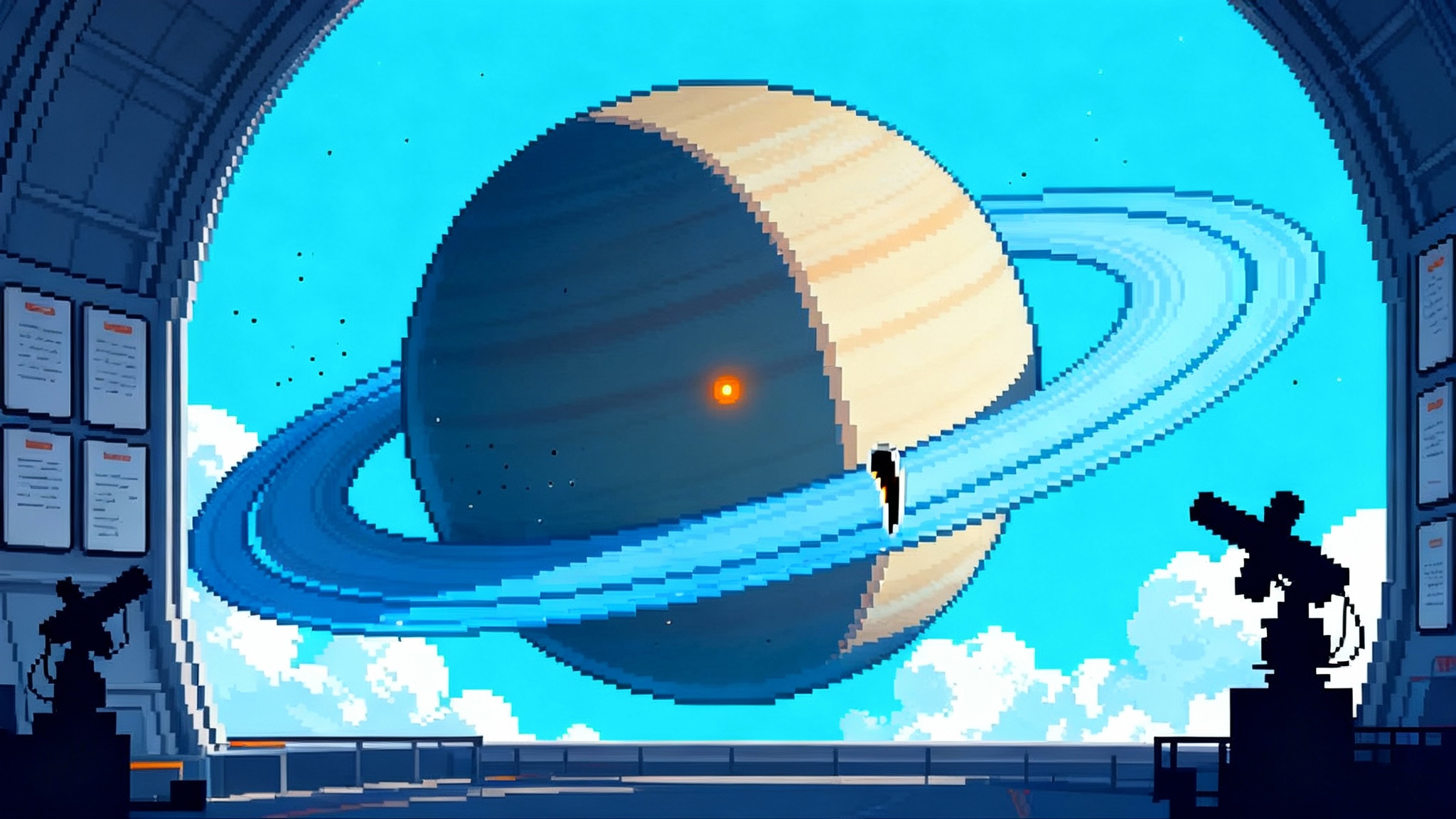
JWST images Saturn-mass TWA 7 b and rewrites the playbook
On June 25, 2025, JWST’s MIRI coronagraph directly captured TWA 7 b inside its host star’s debris rings. It is Webb’s first new exoplanet found by imaging and the lightest world ever seen this way, a Saturn-mass detection that redraws the roadmap for hunting smaller planets.