 Artificial Intelligence
Articles under the Artificial Intelligence category.

Agent Memory Wars: The New Data Layer For Autonomy
Q4 2025 turns agent memory into the new battleground. Platforms now ship project and team memory, vector-native storage, and consent policies that lock in context. Here is the emerging stack, the tradeoffs, and a portable blueprint to ship.

Comet goes free and makes your browser the agent runtime
Perplexity just unlocked Comet for everyone, signaling a shift from chat windows to the place work actually happens: your browser. Here is why the browser will beat chat apps as the agent runtime, how Comet stacks up against Gemini in Chrome, Arc’s Dia, and Opera’s Neon, and what builders should ship next.

Agent Observability Arrives, Building the Control Plane for AI
Agent observability just moved from slideware to shipped software. With OpenTelemetry traces, Model Context Protocol, and real-time dashboards, enterprises can turn experimental agents into governed, measurable systems and prove ROI through 2026.

Facewear Rising: Smart Glasses Become Agent-Native Platform
Meta’s Ray-Ban Display and Neural Band hit the market, and Reuters reports Apple is accelerating AI-first glasses. Together they signal the first agent-native consumer platform. Here is what changes, who wins, and what to build now.

Sora 2’s invite app ignites the first AI video network
OpenAI’s Sora 2 lands with an invite-only, TikTok-style feed where every clip is born synthetic. Verified cameos, remix permissions, and native attribution signal a new playbook for creators and brands as Meta’s Vibes enters the race.

Long-haul AI Agents Arrive with Claude Sonnet 4.5 and SDK
Anthropic’s Claude Sonnet 4.5 and the new Agent SDK turn long-horizon, tool-using agents into a production reality. With 30-hour persistence, native computer use, and checkpointed memory, leaders can now ship governed, cost-aware automations that actually finish the job.

UiPath turns RPA into agents with OpenAI, Snowflake, NVIDIA
On September 30, 2025, UiPath announced partnerships with OpenAI, Snowflake Cortex, and NVIDIA that reposition RPA as an enterprise agent platform. This breakdown explains what changed, why it matters, and a 90 day plan to ship your first production agent.

Agentic Commerce Is Here: ChatGPT Checkout Meets Stripe
OpenAI turned chat into checkout on September 29, 2025. ChatGPT’s Instant Checkout is live with Etsy and coming to Shopify, while Stripe’s shared tokens show how agents pay safely. Here is what changes, why it matters, and how to prepare now.

Qwen3-Next and Max Flip the Cost Curve for Long-Context Agents
Alibaba’s late September release of Qwen3-Next and the trillion-parameter Qwen3-Max brings sparse activation, multi-token prediction, and 128K to 256K context windows that reduce latency and cost for tool-using agents running on commodity GPUs.

Microsoft's Security Store makes AI agents the new SOC
Microsoft’s new Security Store shifts security from point tools to autonomous workflows. With build-your-own and partner agents spanning Defender, Sentinel, Entra, and Purview, the SOC becomes a policy-governed marketplace of AI operations.

Azure Agent Ops Goes GA: From Demos to Governed Workloads
Azure AI Foundry’s Agent Service is now generally available, bringing bring-your-own thread storage, run-level observability, Fabric integration, MCP tools, and Deep Research so enterprises can move from flashy demos to governed, auditable workloads. Here is what shipped, why it matters, and how to launch in 90 days.
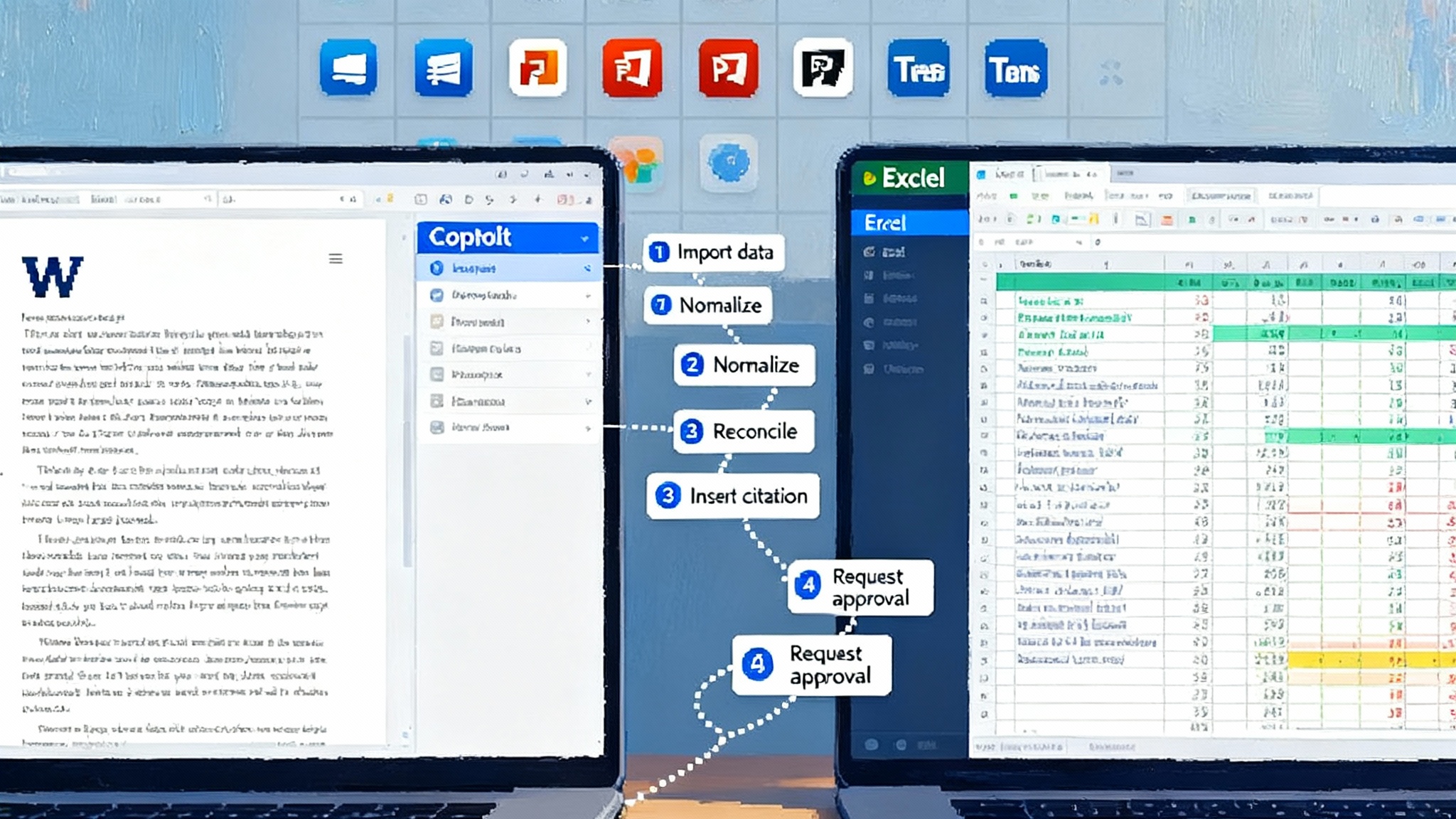
Office becomes an agent runtime with Copilot’s new modes
Microsoft just flipped the script on Word and Excel. With Copilot’s new Agent Mode and a cross app Office Agent, Office becomes a place where software agents plan, act, and leave an audit trail you can trust.

OSI Arrives: A Common Language for Enterprise AI Agents
On September 23, 2025, Snowflake, Salesforce, dbt Labs, BlackRock, and RelationalAI introduced Open Semantic Interchange, a shared specification that lets agents ground, reason, and govern across stacks. Here is what it changes and how to pilot it in 30 days.

Gemini in Chrome: from web pages to an agent runtime
On September 18, 2025, Google began rolling out Gemini in Chrome to U.S. desktop users, turning the browser into an AI-powered assistant that can read pages, work across tabs, and soon act on websites. Here is how agentic browsing will reshape checkout, SEO and affiliate traffic, consent and fraud, and what developers should build next.
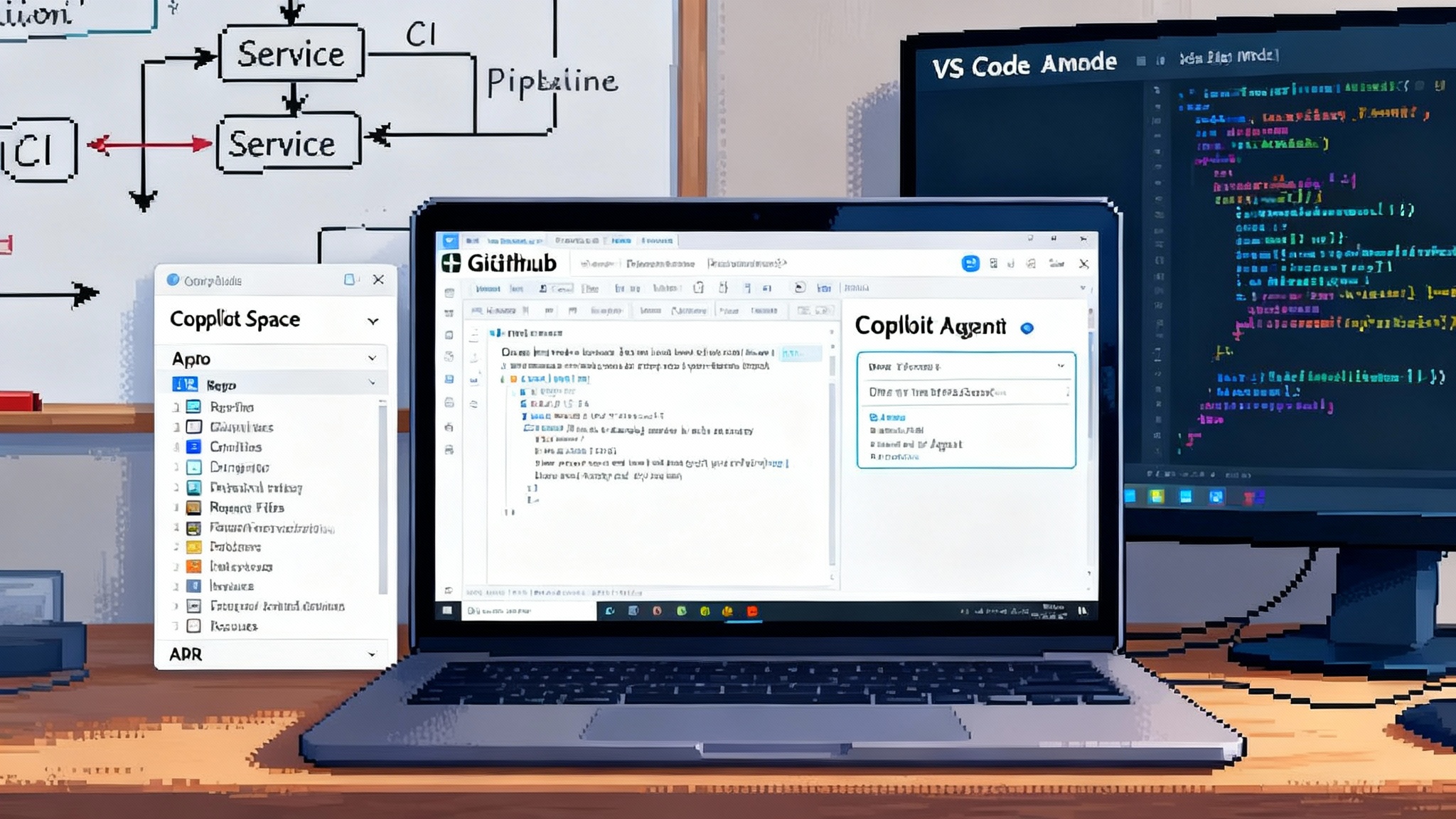
Copilot Spaces GA: from chat to codebase-aware agents
GitHub Copilot Spaces is generally available, bringing persistent project context into agent mode and the coding agent so teams can plan and ship multi-file changes under enterprise guardrails.

Cognitive Kernel‑Pro resets the standard for open agents
Tencent's August 2025 release of Cognitive Kernel Pro pairs an open framework with an 8B model that reports state-of-the-art GAIA results. Here is why it resets reliability, evaluation, and cost for enterprise agents.

Inside Citi's 5,000-user pilot for bank‑grade AI agents
Citigroup is running a four to six week pilot of agentic AI for 5,000 employees inside Stylus Workspaces, using models like Gemini and Claude. Here is how the bank is enforcing budgets, human oversight, and audit trails, and the playbook others can reuse.

Perplexity’s $200 Email Agent Tests the Inbox Future
Perplexity launched a $200 per month Email Assistant for Gmail and Outlook that triages, drafts, and schedules when you CC an agent. This review breaks down the features, ROI math, and how it stacks up against Copilot and Gemini to see when a premium, single-purpose inbox copilot actually pays off.