energy
Articles under the energy category.
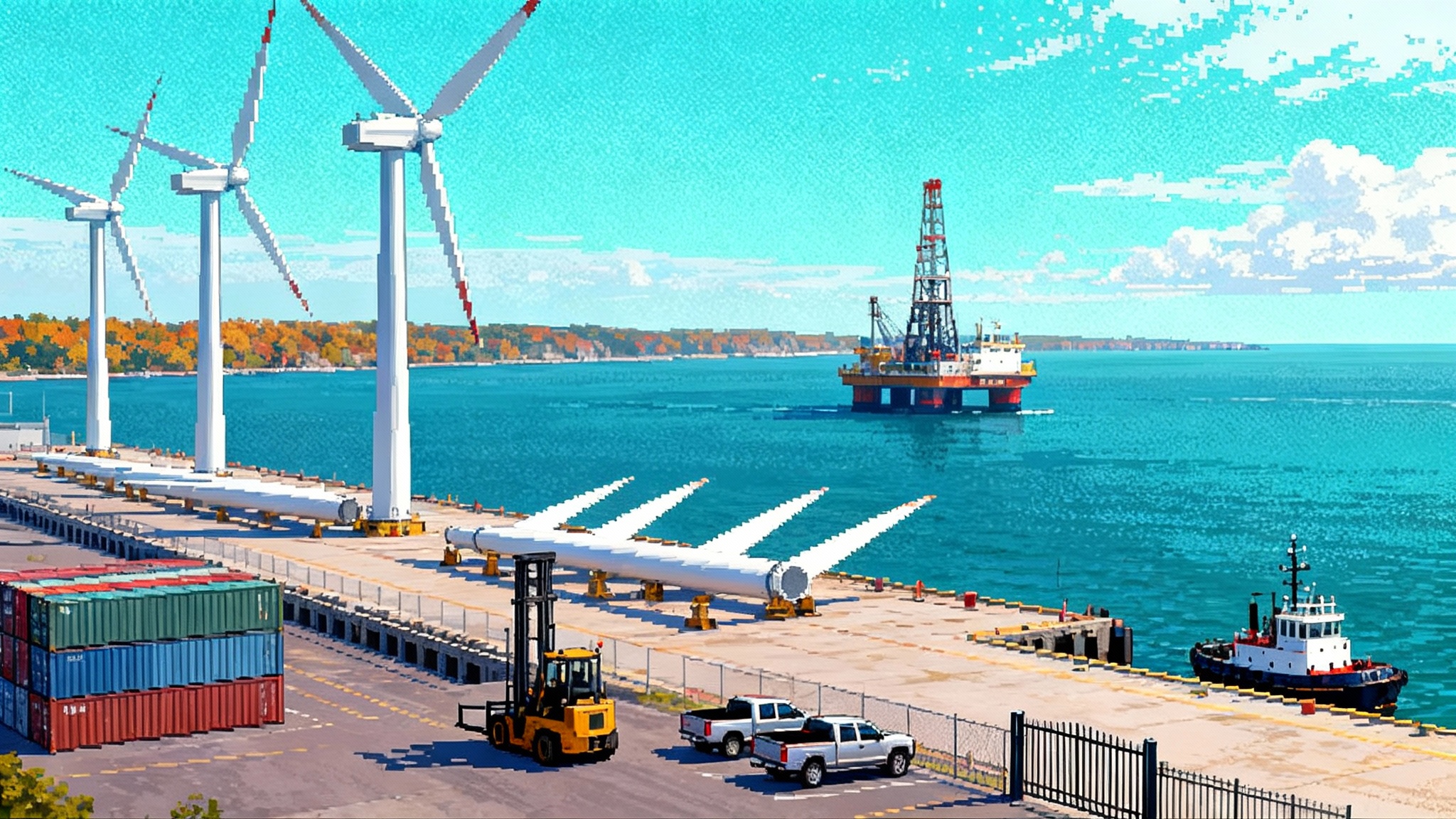
Offshore wind whiplash hits New England’s grid plans
Two shocks hit New England’s offshore wind push: a federal rethink of SouthCoast Wind’s permit and a stop‑work order on Revolution Wind. We break down the legal stakes, timeline risk, REC fallout, and what fills the gap through 2035.
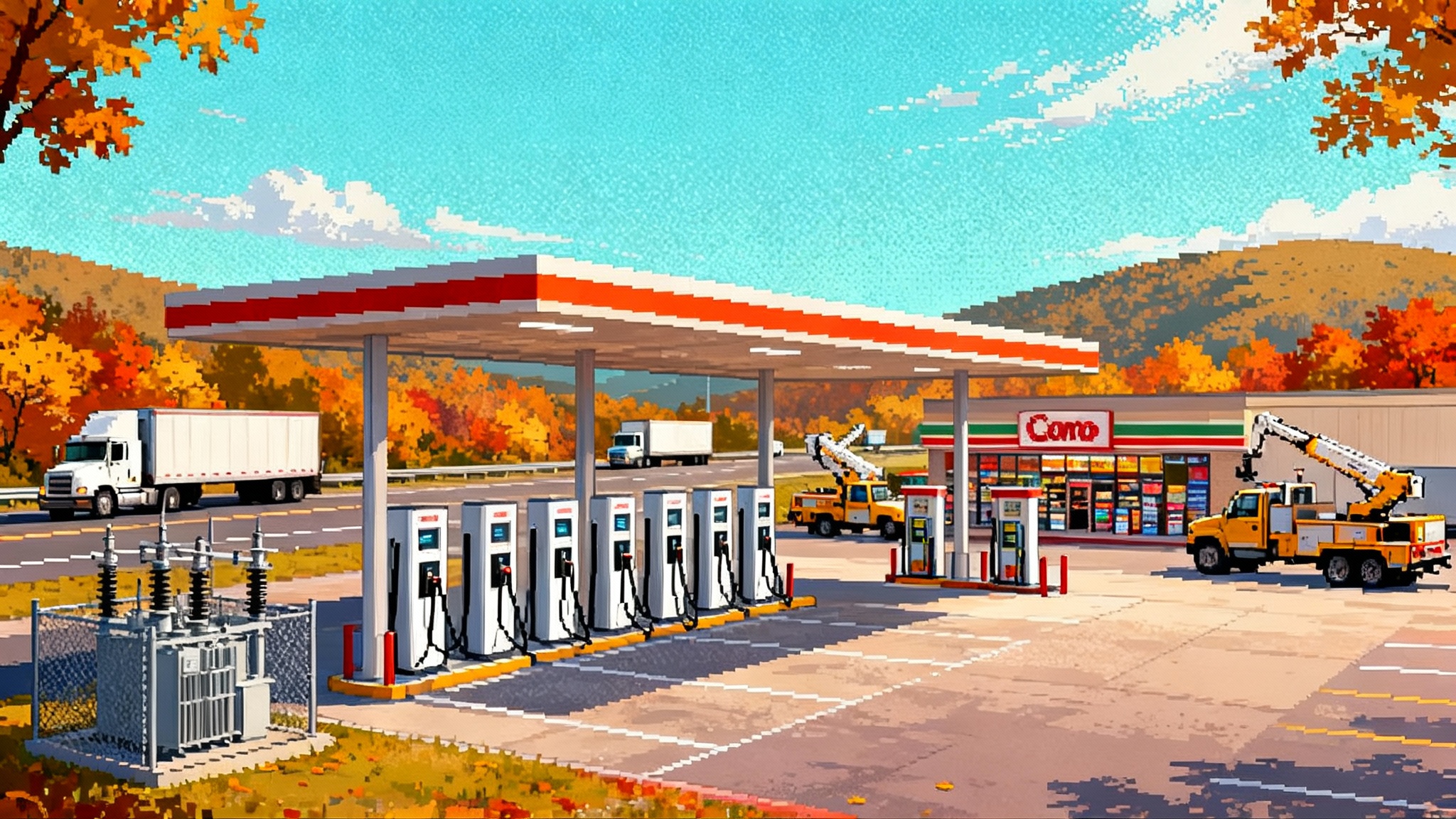
After the Freeze: Who Wins NEVI’s 2025-26 Buildout
A February 6 funding freeze, a June 24 injunction, and an August 11 guidance reset have rewritten the EV fast charging map. With Tesla easing off new Supercharger builds, retailers, utilities, and oil majors are poised to capture 2025-26 NEVI awards.
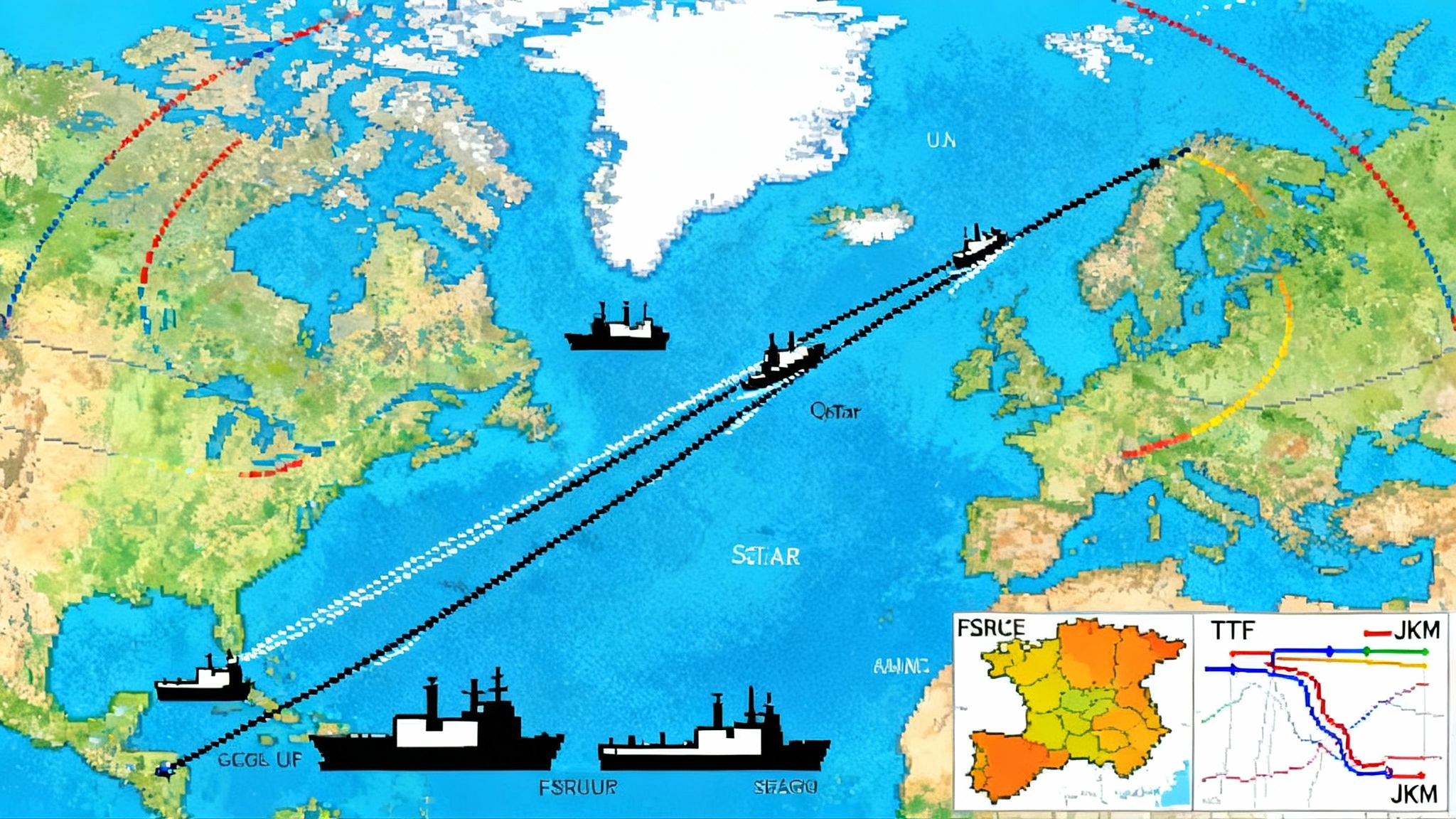
Europe’s 2027 LNG Ban Could Redraw the Global Gas Map
Brussels is moving to outlaw Russian LNG by January 1, 2027. Here is how a phased cutoff could reroute cargoes, shift pricing power, accelerate new supply from the U.S. and Qatar, and reshape Europe’s decarbonization timeline.
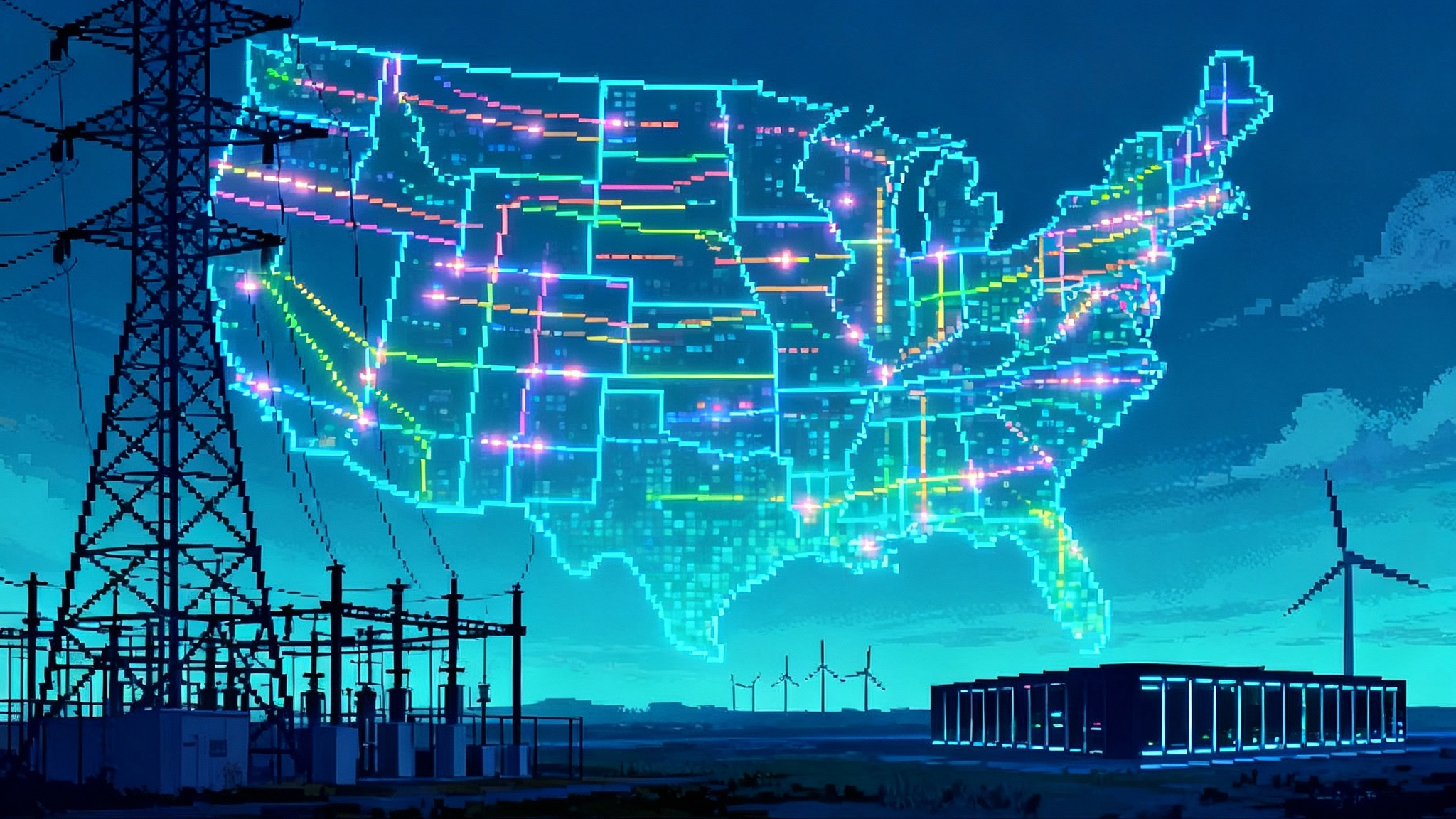
States gain leverage in FERC 1920-A grid planning
FERC’s rehearing order 1920-A elevates state authority in 20-year transmission planning and cost allocation just as AI and data centers push load forecasts higher. See what changed, key dates, and how sponsors can win approvals.
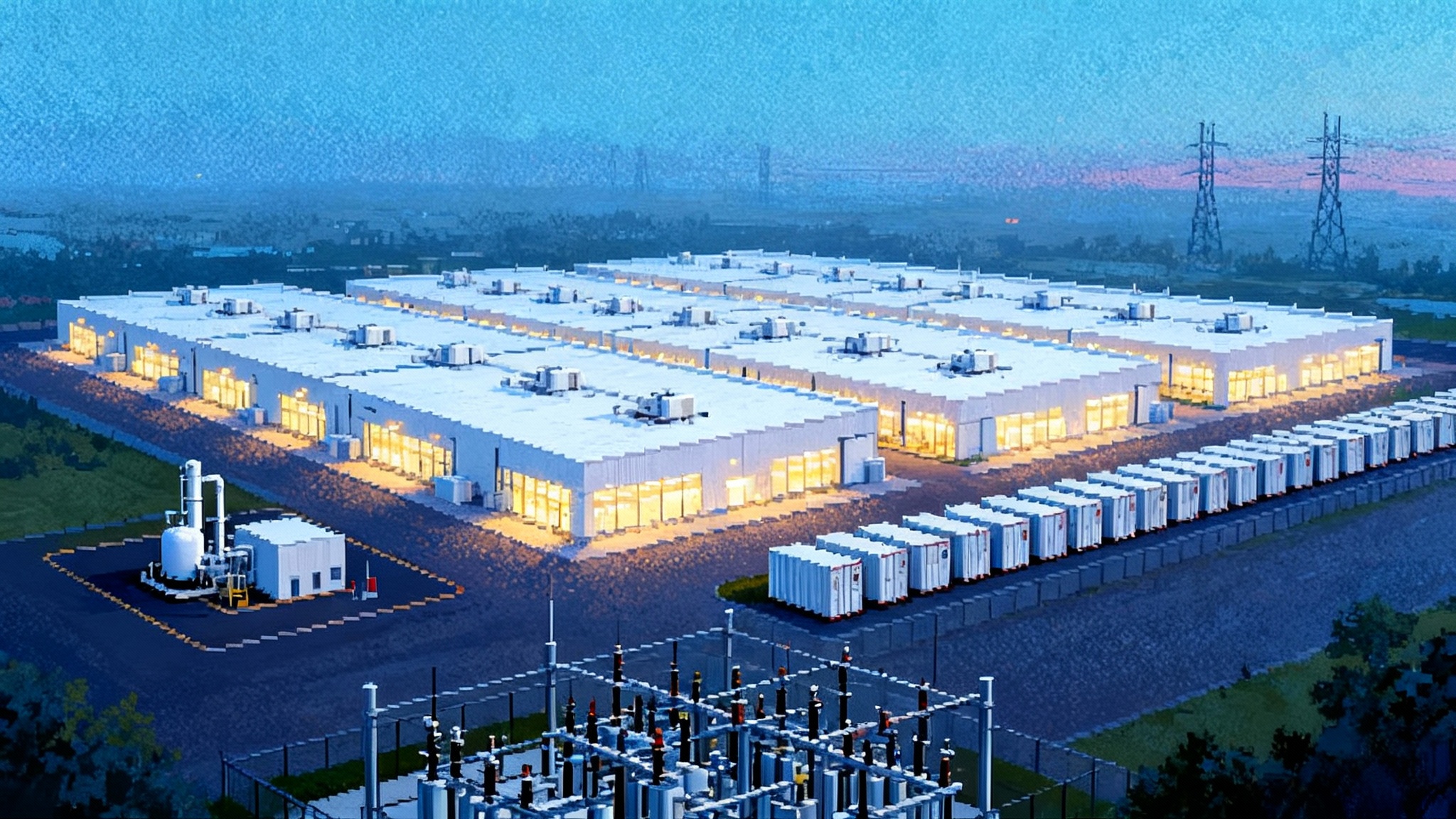
AI’s power rush is colliding with the grid, gas and nuclear rise
PJM capacity prices hit the cap, Washington is fast-tracking data centers, and a marquee HVDC line just lost federal backing. AI’s load surge is steering utilities toward quick gas, more storage, and revived nuclear while complicating renewables and rates.
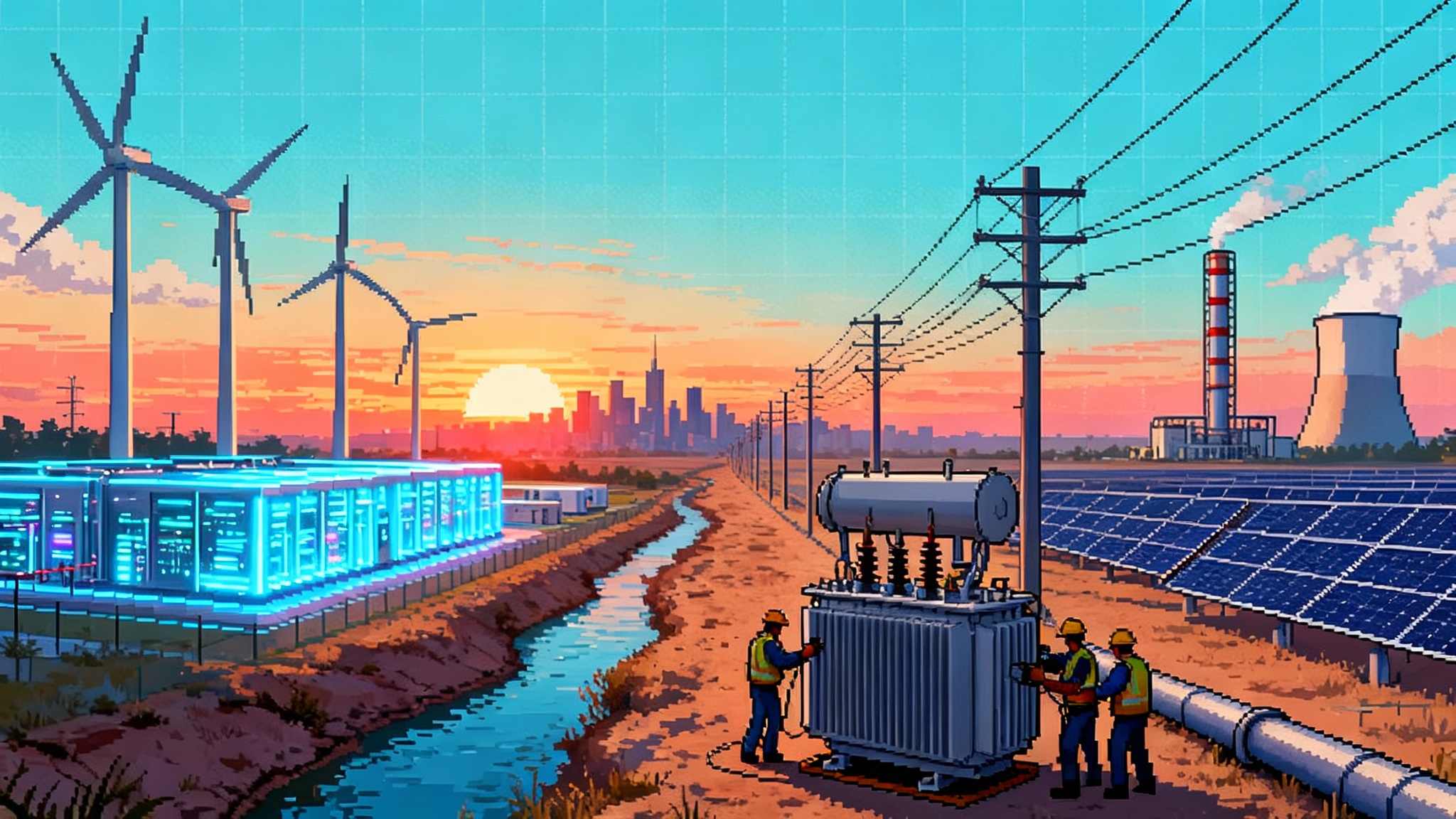
AI’s grid moment: Texas, California, and the rush for power
Washington just moved to speed new plants and power lines as AI-driven demand surges. New data shows Texas and California pulling ahead in clean power. Here is how the load is shifting, who pays, who profits, and what 2026 to 2030 could look like.

Europe's 2027 Russian LNG Ban vs America's LNG Reboot
Brussels is moving to halt Russian LNG on January 1, 2027, just as Washington restarts LNG approvals. We pressure test construction, pipelines, ships, methane rules, and financing to see whether new US supply can fill Europe’s gap without spiking prices at home.
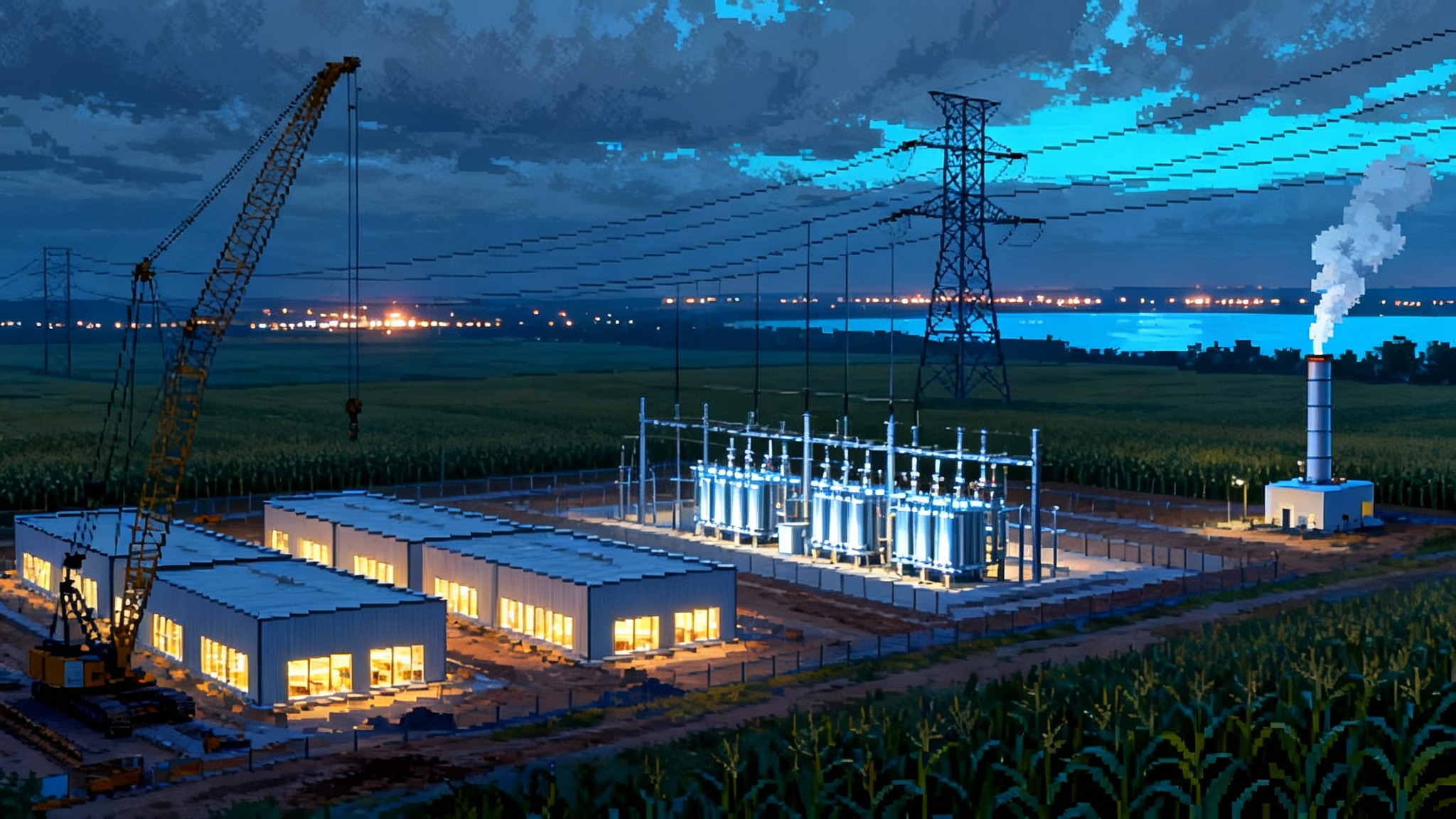
Speed to Power meets Big Tech’s grid land grab
The DOE’s new Speed to Power push and Microsoft’s fresh Wisconsin build signal a scramble to keep firm capacity online as data centers surge. Here is how rules, costs, and resources are shifting from 2026 to 2030—and who wins or pays.
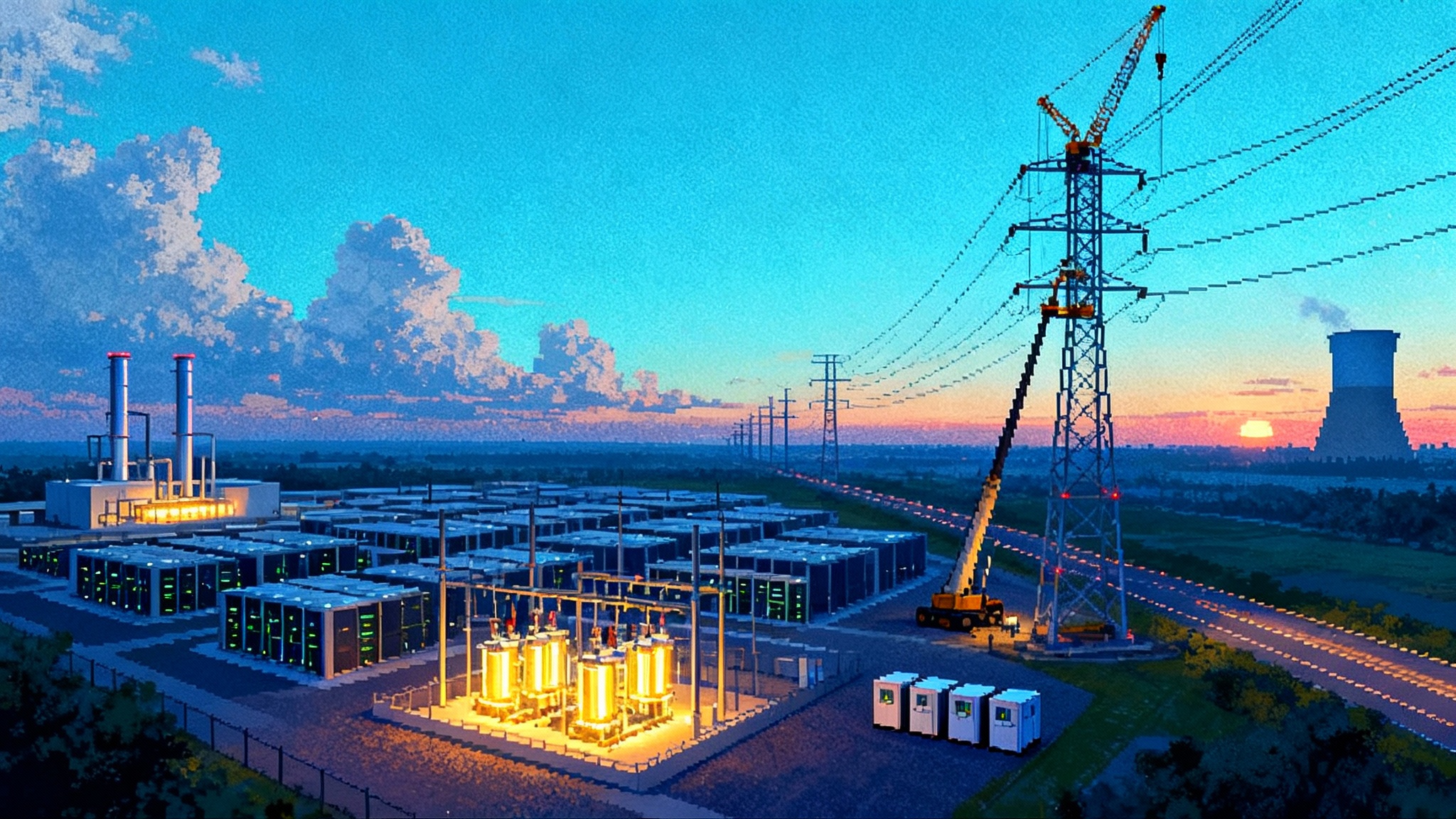
Speed to Power: How AI Will Fast-Track a New U.S. Grid
Washington’s new Speed to Power push aims to deliver the electricity surge needed for AI and data centers by fast-tracking generation and transmission. Here is how it works, who benefits, who pays, and what it means for prices and emissions.
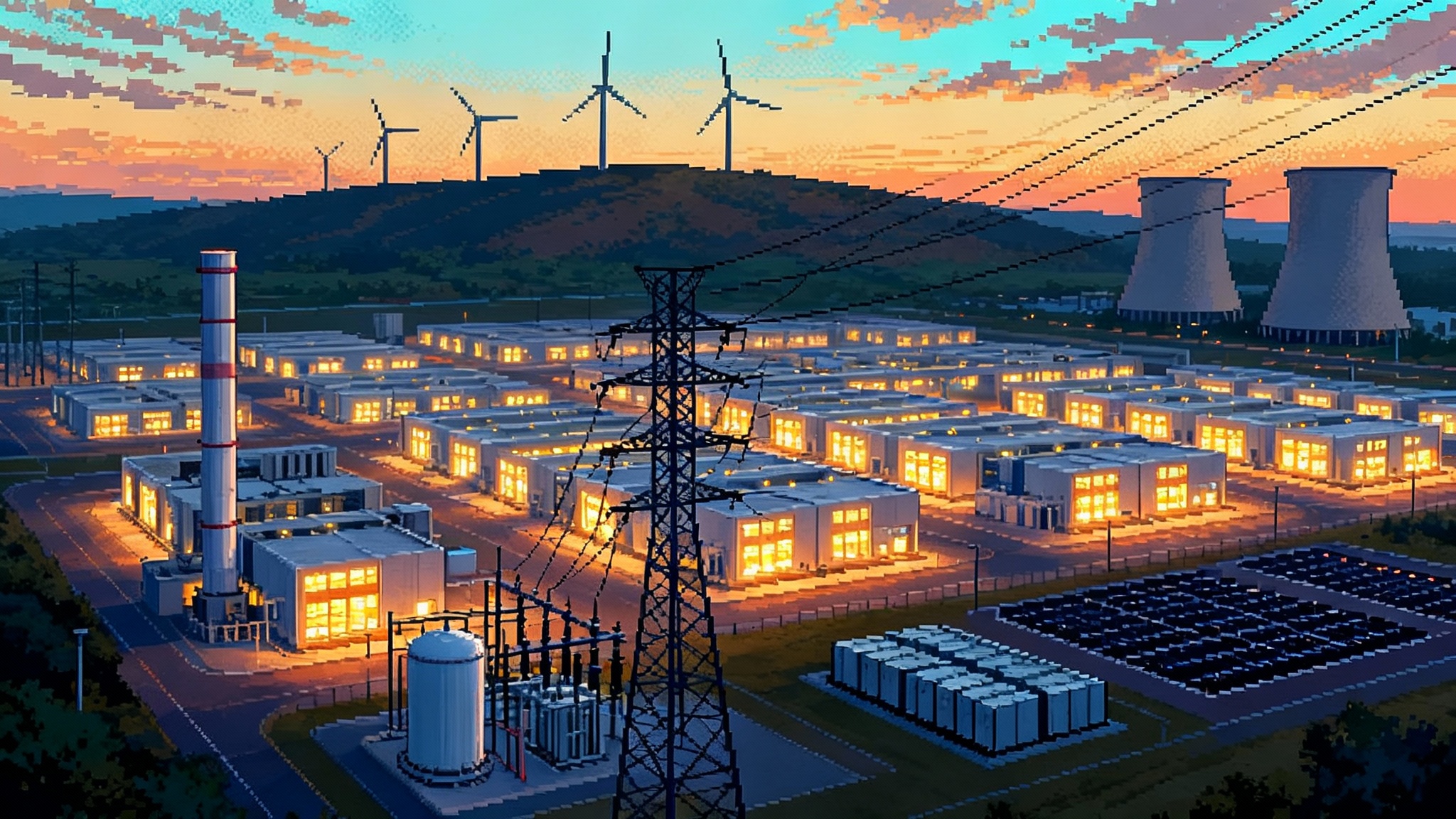
AI’s data‑center boom is reshaping the U.S. grid now
Record peaks and hyperscale buildouts have collided in 2025. From Virginia to Texas and Georgia, utilities are racing to add capacity, revive gas, sign nuclear and renewables deals, and fast‑track storage and wires.
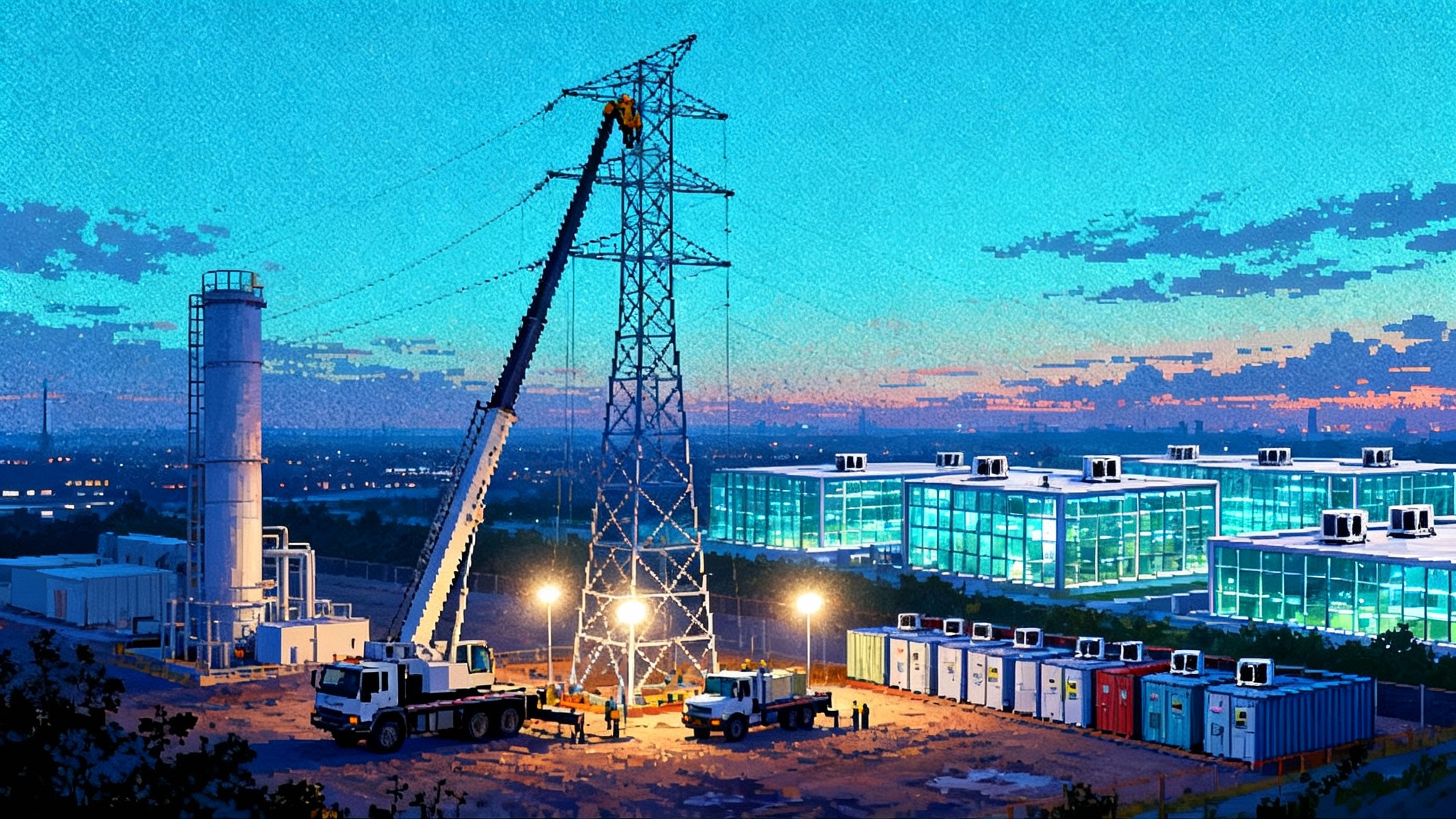
Speed to Power: Washington’s fast track to wire the AI grid
DOE just launched Speed to Power to accelerate transmission and generation projects for the AI era. We break down how it fits with FERC’s 1920 series, state siting rules, and utility procurement, plus the winners, losers, and 2030 outlook.
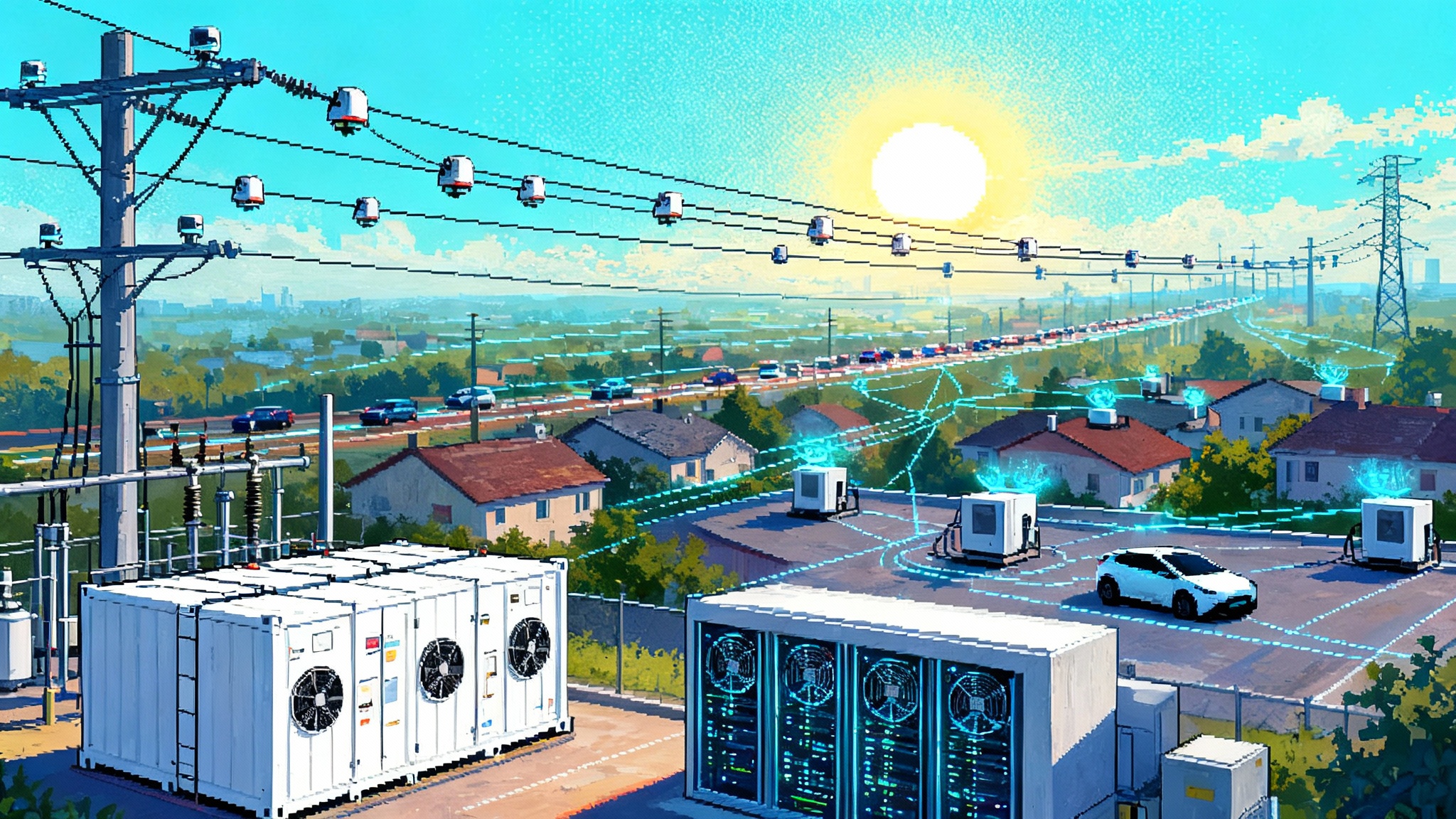
Heat and AI Reset the Grid: A Capacity-First Transition
Late-summer heatwaves and the data center buildout pushed multiple grids to record or near-record peaks, exposing a new reality: demand is bigger and spikier. Operators are fast-tracking capacity tools now while rewriting adequacy math for what comes next.